Hours at an average pace
Showing 59 books
About 160 hours for 58 of 59 books with measured lengths. Estimates use 250 words a minute, adjusted for each book's difficulty. At 2 hours a day, about 81 days for those books.
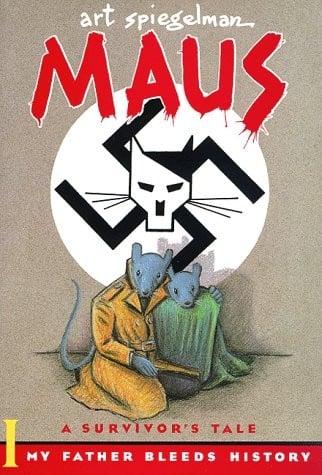
No. 1 on this list. Maus I: A Survivor's Tale: My Father Bleeds History
Art Spiegelman · 1991
Easy2.2 hours
Maus is widely taught in schools and universities as a central Holocaust text and as the key work of the graphic novel, and it won a Pulitzer Prize special award in 1992 for the combined work. It is now standard in comics studies and memory studies.
Widely taught in universities and high schools as the defining Holocaust graphic memoir, Maus appears on hundreds of literature and history syllabi worldwide. It is listed on virtually every major 'essential reading' and 'greatest books' compilation that includes graphic literature, from the Modern Library to Time's All-TIME 100 Novels. While not on syllabi at the scale of Fitzgerald or Austen, it holds unique canonical status as the book that forced academia to take comics seriously.
One of the foundational texts of the graphic novel form. Widely taught, frequently cited in discussions of political fiction and dystopian literature.
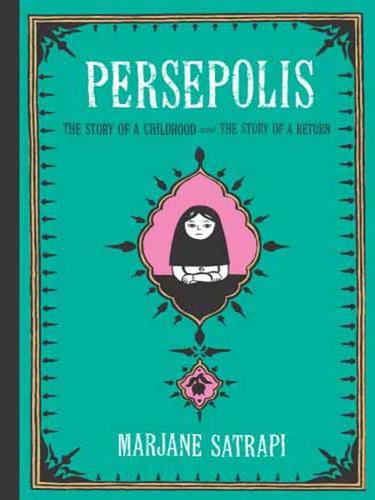
Persepolis is one of the most widely taught graphic narratives in schools and universities, a standard text in courses on memoir, comics and the modern Middle East. It sits beside Art Spiegelman's Maus at the core of the graphic-memoir curriculum.
Widely regarded as one of the greatest graphic novels ever produced. A staple of comics criticism and increasingly taught in university courses.
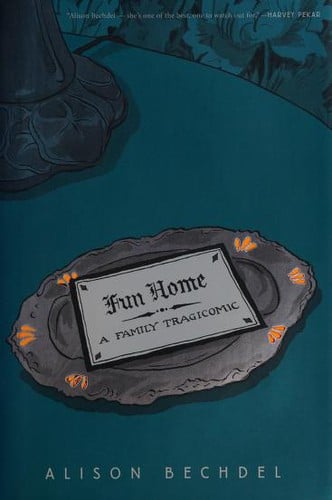
Fun Home is foundational in graphic novel studies, queer memoir, and contemporary comics curricula at the university level. It appears on syllabi in English, gender studies, and art courses across North America, though it does not yet occupy the traditional Western canon. Its inclusion in Time's All-TIME 100 Graphic Novels list marks it as essential reading within its form.
The series is a staple of comics courses and is widely taught as the landmark graphic novel, though this single issue is taught less on its own.
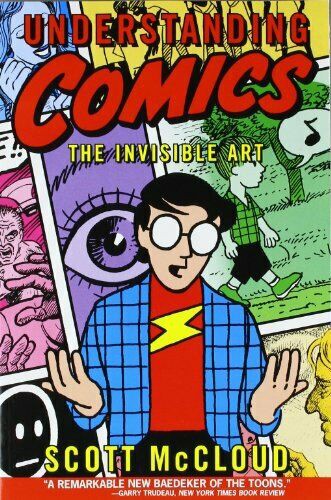
Scott McCloud's Understanding Comics: The Invisible Art (1993), a book-length essay drawn as a comic, is the standard introduction to comics theory. It is assigned in nearly every comics studies course and widely in design and media programs.
The Sandman occupies a privileged position in the canon of graphic literature and appears regularly in university courses on comics studies, mythology in popular culture, and genre fiction. It is consistently cited on 'essential graphic novels' lists and is taught in courses on sequential art at major universities. Within its medium, its canonical status approaches that of Ulysses in prose — foundational, required — though graphic novel courses reach fewer syllabi overall than prose literature courses. The DB returned no syllabus data, but external sources confirm strong academic presence in comics and cultural studies contexts.
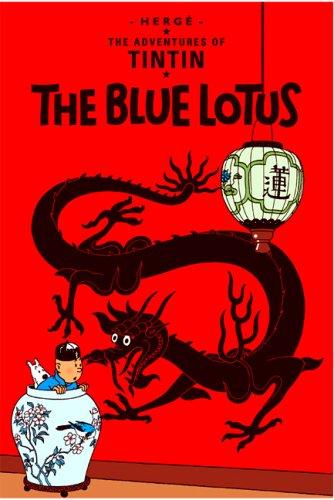
Ranked 18th in Le Monde's 100 Books of the Century, above many canonical novels, and has Wikipedia articles in 40 languages. It is the Tintin album most discussed in comics studies and is widely read across Europe.
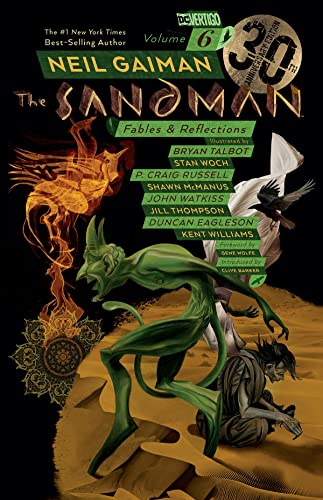
No. 11 on this list. The Sandman Vol. 6: Fables & Reflections · Neil Gaiman
The Sandman series appears on university literature and cultural studies syllabi as a defining example of the graphic novel form, though the medium remains underrepresented in traditional English department canons. Vol. 6 is rarely isolated from the series, but as part of one of the most-collected graphic novel sequences in print history it holds a firm place in any serious reading of the form. No syllabus data was available in the database.
Challenging1.5 hours
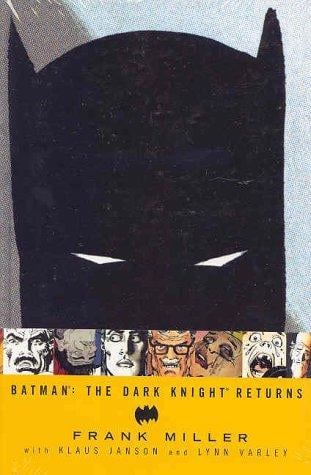
Start this bookNo. 12 on this list. Batman: The Dark Knight Returns · Frank Miller · 1986
Widely regarded as one of the works that redefined the superhero genre and established the graphic novel as a serious literary form. Not present in traditional literary syllabi, but canonical within comics studies and popular culture courses, appearing on virtually every 'essential graphic novels' list. Alongside Watchmen, it is considered a foundational text that changed what comics could be.
Challenging3 min
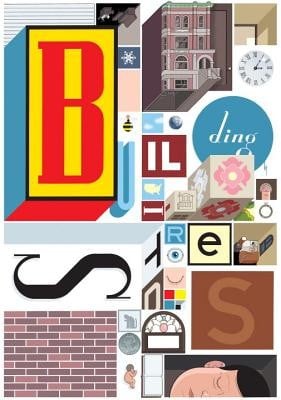
Start this bookNo. 13 on this list. Building Stories · Chris Ware · 2012
Recognized as one of the most important graphic novels of the twenty-first century. A landmark of formal innovation in any medium.
Moderate4 hours
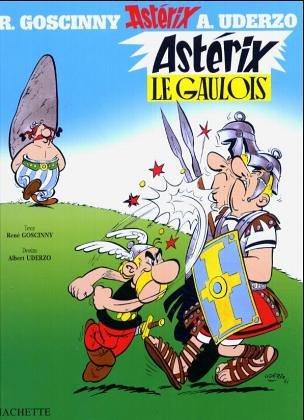
Start this bookNo. 14 on this list. Asterix the Gaul · René Goscinny · 1961
On Le Monde's 100 Books of the Century, an unusual place for a comic album, with a Wikipedia article in 33 languages. It is a fixture of French cultural literacy and studied in courses on bande dessinée, though rarely in literature syllabi.
Easy22 min
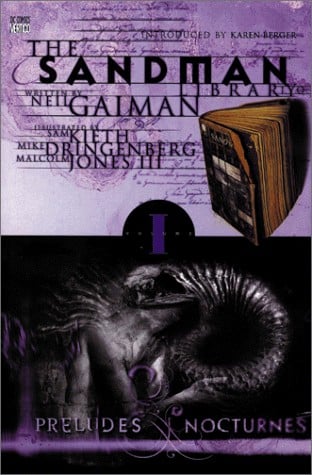
Start this bookNo. 15 on this list. The Sandman, Vol. 1: Preludes & Nocturnes · Neil Gaiman · 1998
Sandman is widely taught in graphic novel and popular fiction courses, and this first volume is the standard entry point, though not yet a fixture of mainstream literary syllabi.
Moderate4 hours
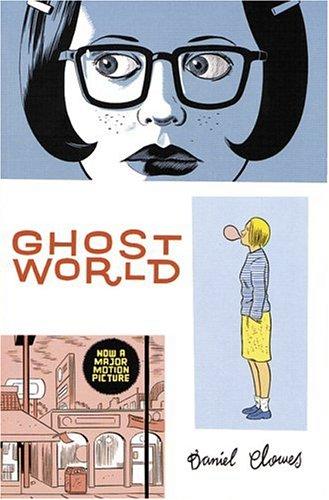
Start this bookNo. 16 on this list. Ghost World · Daniel Clowes · 1997
Ghost World, serialised in Clowes's comic Eightball before its 1997 collection, is a staple of university courses on graphic novels and appears on most lists of essential comics. Its standing outside comics studies is narrower than that of Maus or Persepolis.
Easy25 min
Start this bookNo. 17 on this list. The Ballad of the Salty Sea · Hugo Pratt · 1967
Una ballata del mare salato is on Le Monde's 100 Books of the Century and is regarded as a founding work of the European graphic novel. Academic attention is concentrated in comics studies.
Moderate1 hours
Start this bookNo. 18 on this list. American Born Chinese · Gene Luen Yang · 2006
Printz Award winner, first graphic novel nominated for a National Book Award. A foundational text in Asian American graphic literature.
Easy37 min
Start this bookNo. 19 on this list. Black Hole · Charles Burns · 2005
Black Hole is canonical within comics studies and alternative/literary comics curricula, appearing regularly on university graphic novel syllabi and on major critical lists including TIME and Entertainment Weekly's best graphic novels. Outside comics-specific contexts it is less commonly taught, placing it below literary fiction fixtures but well above genre commercial work.
Challenging4.4 hours
Start this bookNo. 20 on this list. Jimmy Corrigan, the Smartest Kid on Earth · Chris Ware · 2000
First comic to win a major UK literary prize. Museum exhibitions worldwide.
Moderate38 min
Start this book
No. 21 on this list. Gaston · André Franquin · 1957
Gaston is on Le Monde's 100 Books of the Century, one of a handful of comics chosen, and has been a fixture of French-speaking popular culture since its 1957 debut in Spirou magazine. Academic attention is concentrated in comics studies.
Very Easy15 min
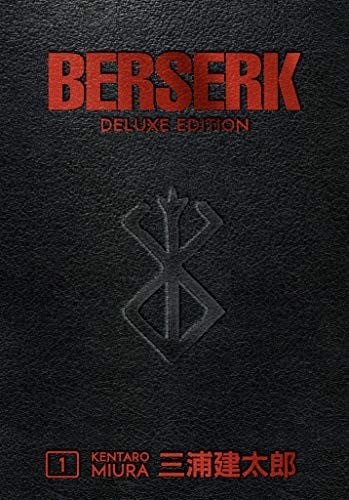
Start this bookNo. 22 on this list. Berserk Deluxe Edition, Vol. 1 · Kentaro Miura · 1990
Berserk, which Kentaro Miura began serialising in 1989, is a cornerstone of dark-fantasy manga, and Dark Horse's Deluxe Edition gathers its opening volumes in hardcover. It is essential reading for manga readers but not part of literary curricula.
Moderate12 hours
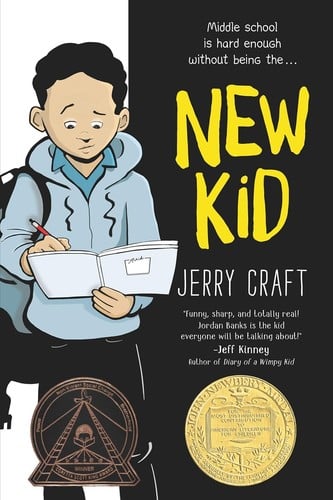
Start this bookNo. 23 on this list. New Kid · Jerry Craft · 2019
New Kid is widely taught in American middle schools and is a fixture of school and library reading lists. Its place in children's literature is secure, though the book is still recent.
Very Easy40 min
Start this bookNo. 24 on this list. All-Star Superman · Grant Morrison · 2011
Widely cited as a definitive Superman story and a staple of comics curricula and best-of lists, though comics are less present in standard literature syllabi.
Moderate5.5 hours
Start this bookNo. 25 on this list. Batman: Arkham Asylum - A Serious House on Serious Earth · Grant Morrison · 2005
A leading graphic novel on comics and gothic studies reading lists, bestselling and in print for decades, but not a standard part of general literature curricula.
Challenging5.4 hours
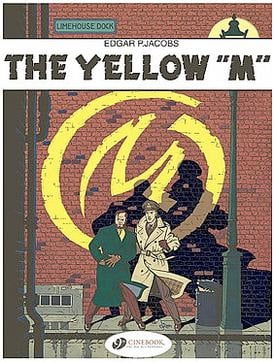
Start this bookNo. 26 on this list. Blake and Mortimer · Edgar P. Jacobs · 1946
Edgar P. Jacobs's series, represented by The Yellow 'M', is on Le Monde's 100 Books of the Century and is a classic of Belgian comics, with Wikipedia articles in 19 languages. It is studied mainly in comics studies.
Easy33 min
Start this bookNo. 27 on this list. Bone · Jeff Smith · 2004
Bone appears regularly in middle school graphic novel curricula and is listed on virtually every 'essential graphic novels' canon list. TIME magazine named it one of the 10 greatest graphic novels. No Open Syllabus data was found, but its presence in school libraries and recommended reading lists is substantial.
Easy9 hours
Start this bookNo. 28 on this list. Batman: Year One · Frank Miller · 2007
It is a defining modern superhero text and a staple of comics curricula and shop recommendations, but it is not a staple of general literature syllabi.
Easy2 hours
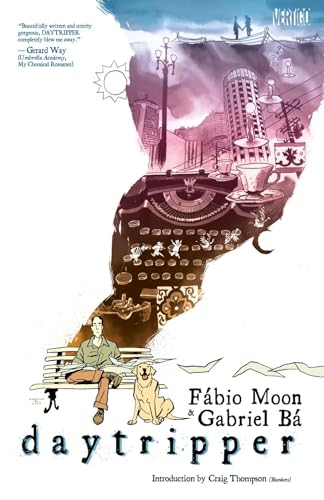
Start this bookNo. 29 on this list. Daytripper · Fábio Moon · 2011
Highly regarded in the graphic novel world and increasingly taught in university courses. Not yet as widely known as older canonical graphic novels.
Easy2.4 hours
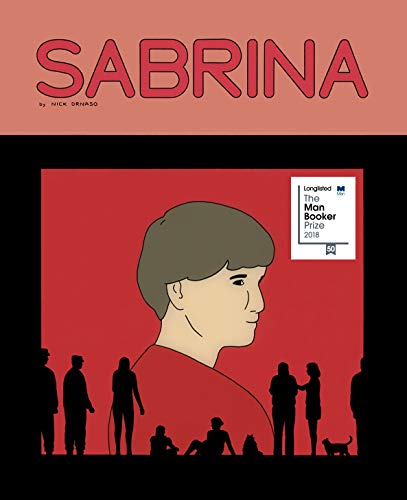
Start this bookNo. 30 on this list. Sabrina · Nick Drnaso · 2018
Sabrina disappears, and a video of her murder goes viral. Her boyfriend's sister sends him to stay with a friend, an Air Force drone operator in Colorado Springs. Drnaso's graphic novel follows the aftermath: the grief, the conspiracy theories, the harassment from people convinced the murder is a hoax. The art is flat and affectless, the horror contained in ordinary images. The novel was longlisted for the Booker Prize, the first graphic novel so honored, for its portrait of American paranoia.
Moderate3.7 hours
Start this book



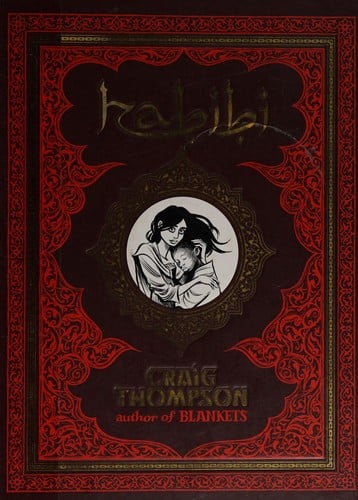
No. 31 on this list. Habibi
Craig Thompson · 2011
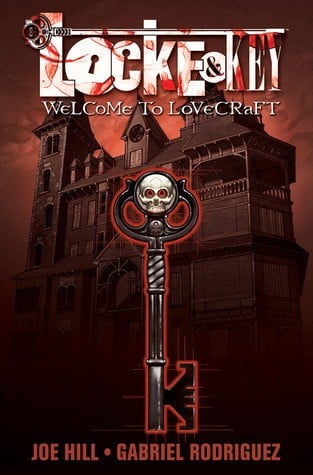
No. 32 on this list. Locke & Key
Joe Hill · 2008
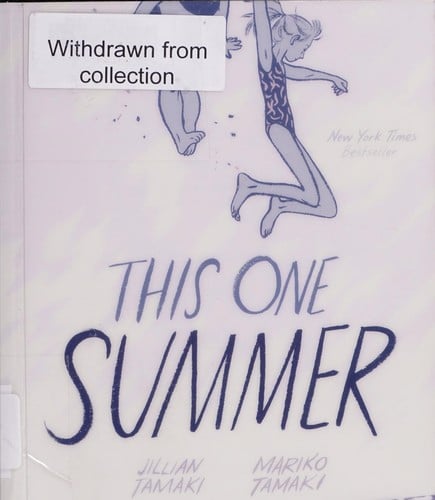
No. 33 on this list. This One Summer
Mariko Tamaki · 2014
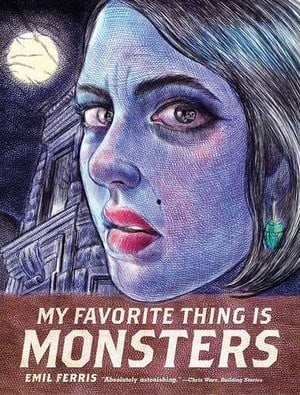
No. 34 on this list. My Favorite Thing Is Monsters
Emil Ferris · 2017
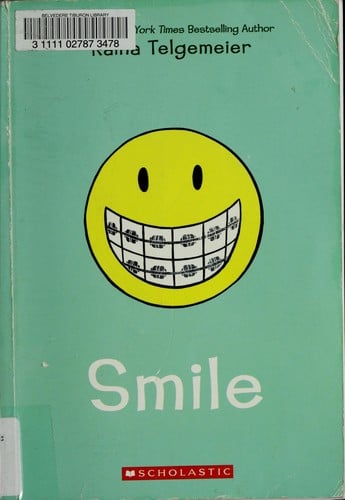
No. 35 on this list. Smile
Raina Telgemeier · 2010
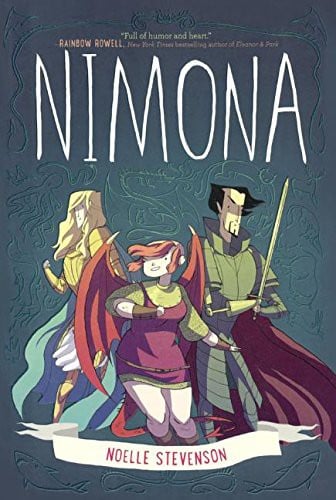
No. 36 on this list. Nimona
Noelle Stevenson · 2015
No. 37 on this list. Kingdom Come
Mark Waid · 1997
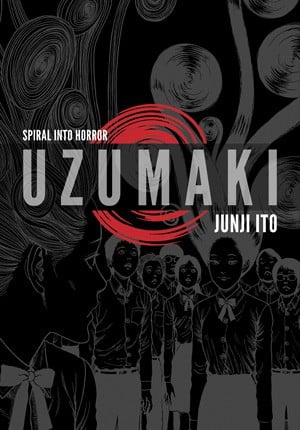
No. 38 on this list. Uzumaki
Junji Ito · 1998
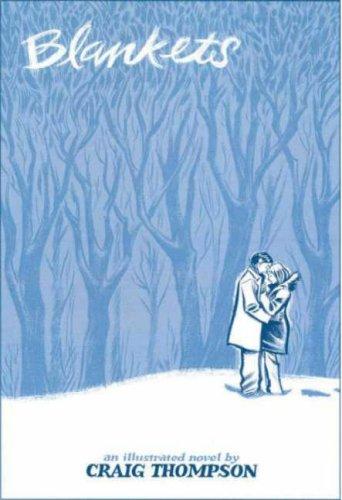
No. 39 on this list. Blankets
Craig Thompson · 2003
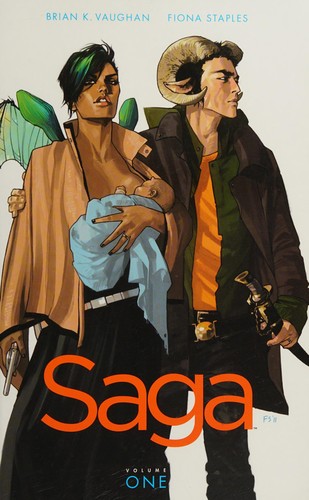
No. 40 on this list. Saga, Volume 1
Brian K. Vaughan · 2012

No. 41 on this list. Wake: The Hidden History of Women-Led Slave Revolts
Rebecca Hall · 2021
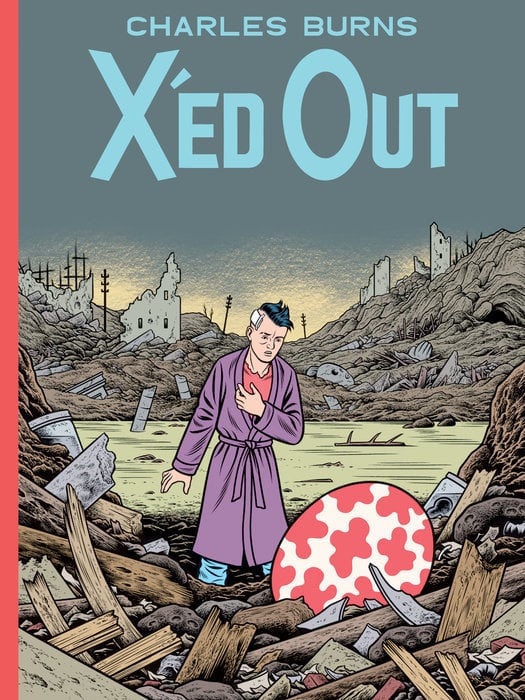
No. 42 on this list. X'ed Out (Pantheon Graphic Library)
Charles Burns · 2010
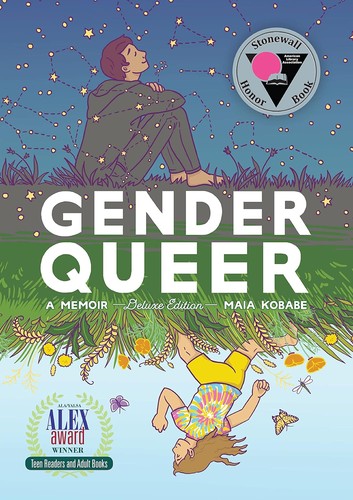
No. 43 on this list. Gender Queer: A Memoir
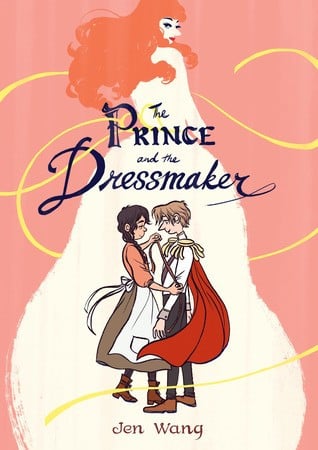
No. 44 on this list. The Prince and the Dressmaker
Jen Wang · 2018
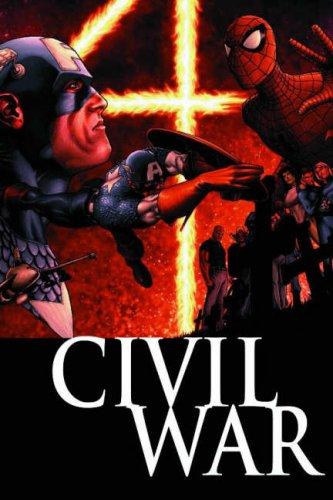
No. 45 on this list. Civil War
Mark Millar · 2006
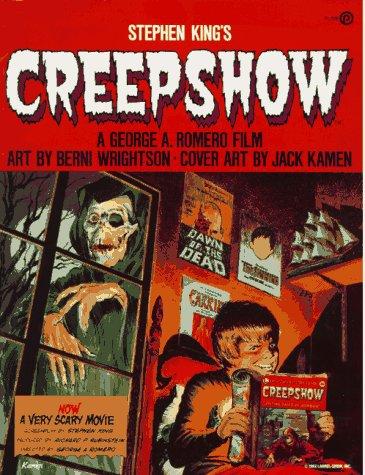
No. 46 on this list. Creepshow
Stephen King · 1982
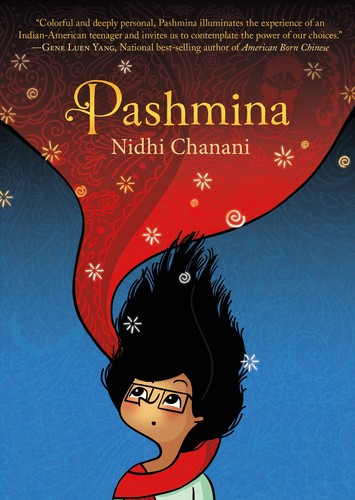
No. 47 on this list. Pashmina
Nidhi Chanani · 2017
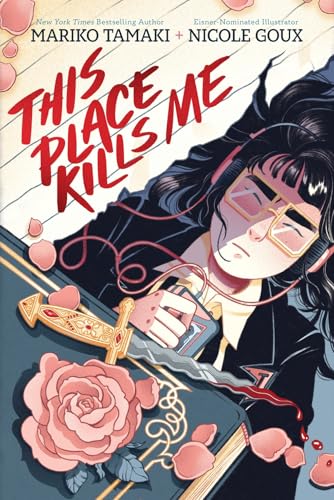
No. 48 on this list. This Place Kills Me
Mariko Tamaki · 2025
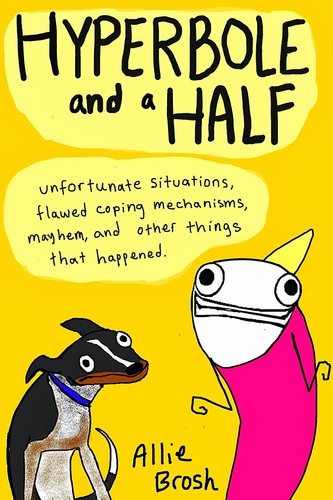
No. 49 on this list. Hyperbole and a Half
Allie Brosh · 2013
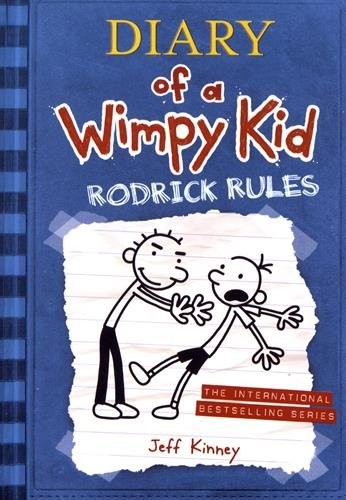
No. 50 on this list. Rodrick Rules
Jeff Kinney · 2007

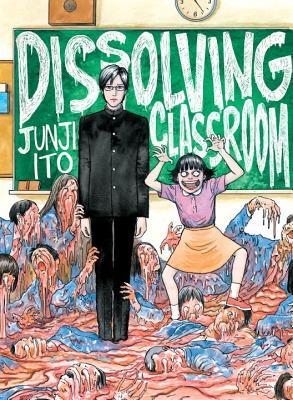
No. 51 on this list. Dissolving Classroom
Junji Ito · 2017
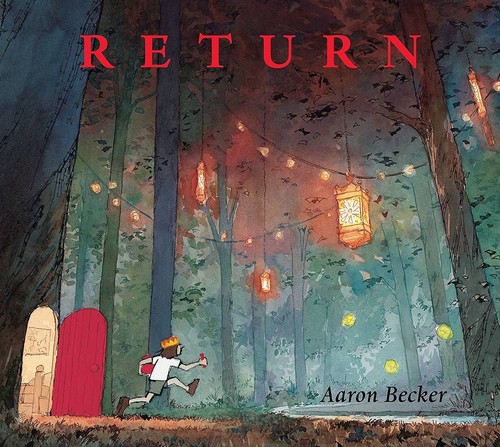
No. 52 on this list. Return
Aaron Becker · 2016
No. 53 on this list. Two Tribes
Fearne Hill · 2023
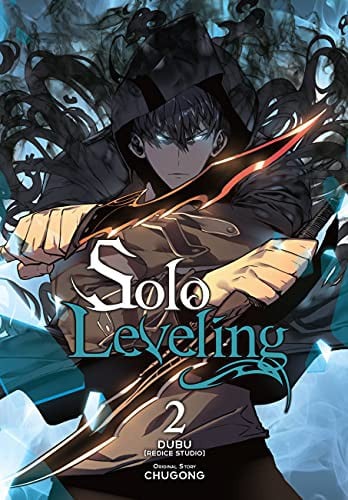
No. 54 on this list. New Manhwa of the world: Solo Leveling volume 2
Dubu · 2021
No. 55 on this list. 私たちの幸せな時間 [Watashitachi no Shiawase na Jikan]
Mizu Sahara · 2007
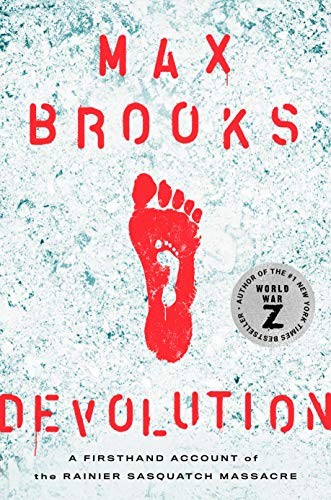
No. 56 on this list. Devolution
Rick Remender · 2020
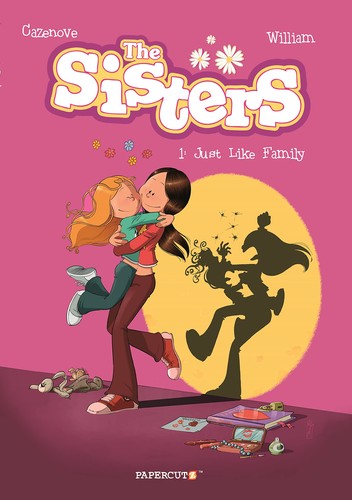
No. 57 on this list. The sisters
Cazenove · 2016
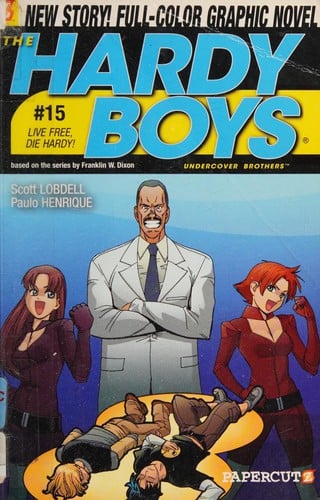
No. 58 on this list. Live Free, Die Hardy!
Scott Lobdell · 2008
No. 59 on this list. Beware the Villainess!, Vol. 1
Blue Canna · 2024


About this list
These 59 books are the highest-scoring eligible graphic novels currently in the catalogue. About 160 hours of reading in all, for the 58 with measured lengths. Difficulty runs from 23 to 42 out of 100 for the middle half of the list; the summit is Fun Home at 68.
This list is ranked by literary regard, with a consistent order for equal scores. Membership follows authors and co-authors, not translators or editors. Catalogue coverage and the historical canon both limit what this list can represent, and genre labels are the catalogue’s own, gathered into broader kinds.
When we matched the Canons dataset to our catalogue in October 2026, our canonical-status scores rose with the number of school curricula, publisher series and lists in it that cite a work: the median score was 72 for books one such source cites, 84 at two, 88 at three, 92 at four and 93 at five or more. Prizes are left out of that count. Outside the state curricula, the dataset’s sources choose mostly from what has been translated into English or French, so it is a weaker check on other literatures. Source: Canons (Andrew Piper), CC BY 4.0
Questions people actually ask
- What are the best graphic novels?
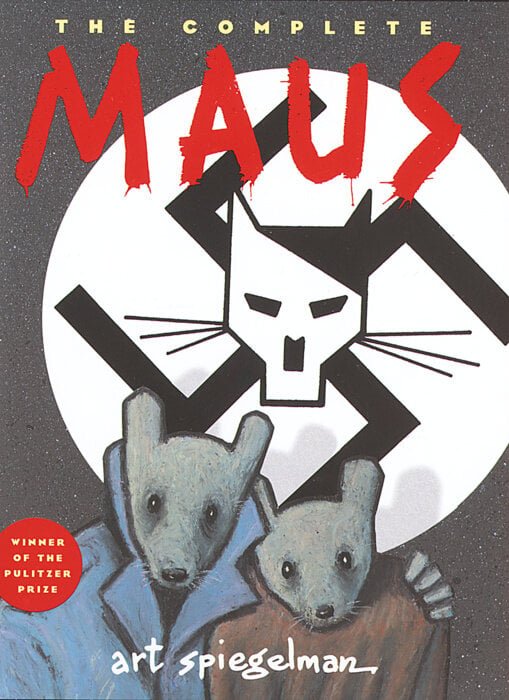
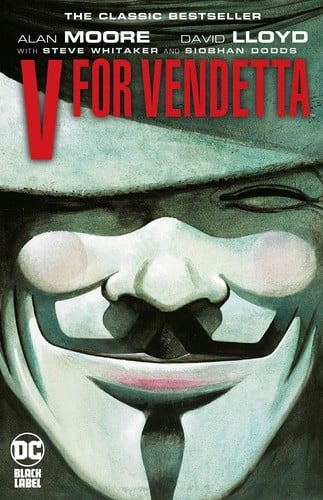
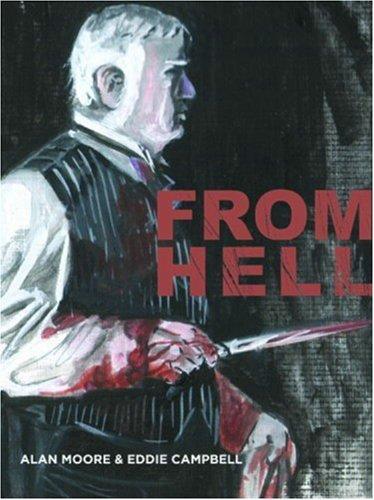
- By literary regard, which weighs canonical status, critical standing and influence: Maus I: A Survivor's Tale: My Father Bleeds History by Art Spiegelman, The Complete Maus by Art Spiegelman, V for Vendetta by Alan Moore, Persepolis by Marjane Satrapi and From Hell by Alan Moore. ReadingRate ranks 59 such books, each with a difficulty score and a reading-time estimate.
- Which graphic novels should I read first?
- Start from difficulty, not from rank. The most approachable books on this list that still carry top literary regard are Maus I: A Survivor's Tale: My Father Bleeds History by Art Spiegelman (about 2.2 hours), Persepolis by Marjane Satrapi and V for Vendetta by Alan Moore.
- What are the shortest of the best graphic novels?
- Among the top 25, the shortest are Batman: The Dark Knight Returns by Frank Miller (about 3 min), Gaston by André Franquin (about 15 min) and Asterix the Gaul by René Goscinny (about 22 min), at an average pace of 250 words a minute adjusted for each book's difficulty.
- Which of the best graphic novels are the established classics?
- By canonical status, how firmly a book sits in curricula, anthologies and the canon: Maus I: A Survivor's Tale: My Father Bleeds History by Art Spiegelman, Persepolis by Marjane Satrapi, The Complete Maus by Art Spiegelman, Understanding Comics by Scott McCloud and V for Vendetta by Alan Moore.
- How long would it take to read the top ten?
- About 43 hours, at an average pace of 250 words a minute adjusted for each book's difficulty: 22 days at two hours a day. Set your own pace on the page and the list's reading times change to it.
- How hard are graphic novels to read?
- Most of this list sits between 23 and 42 on ReadingRate's 100-point difficulty scale, where 40 to 55 is moderate. The summit is Fun Home at 68. Every entry carries its own score, so a reader can pick a great book at a difficulty they will finish.
- How is this list ranked?
- On literary-regard data: how canonically established a work is, its critical standing, and its influence on later writing. It is not a readers’ poll, which is why recent bestsellers rarely appear. Membership follows authors and co-authors, not translators or editors. Lists by country, author, period, theme or difficulty keep to literature (fiction, poetry, drama and philosophy), their novels, poems and plays first and their philosophy after them; a list of a kind of book, such as memoir or criticism, keeps every book of that kind. Every list holds at most three works by one author.