Hours at an average pace
Showing 94 books
About 666 hours for 94 of 94 books with measured lengths. Estimates use 250 words a minute, adjusted for each book's difficulty. At 2 hours a day, about 333 days for those books.
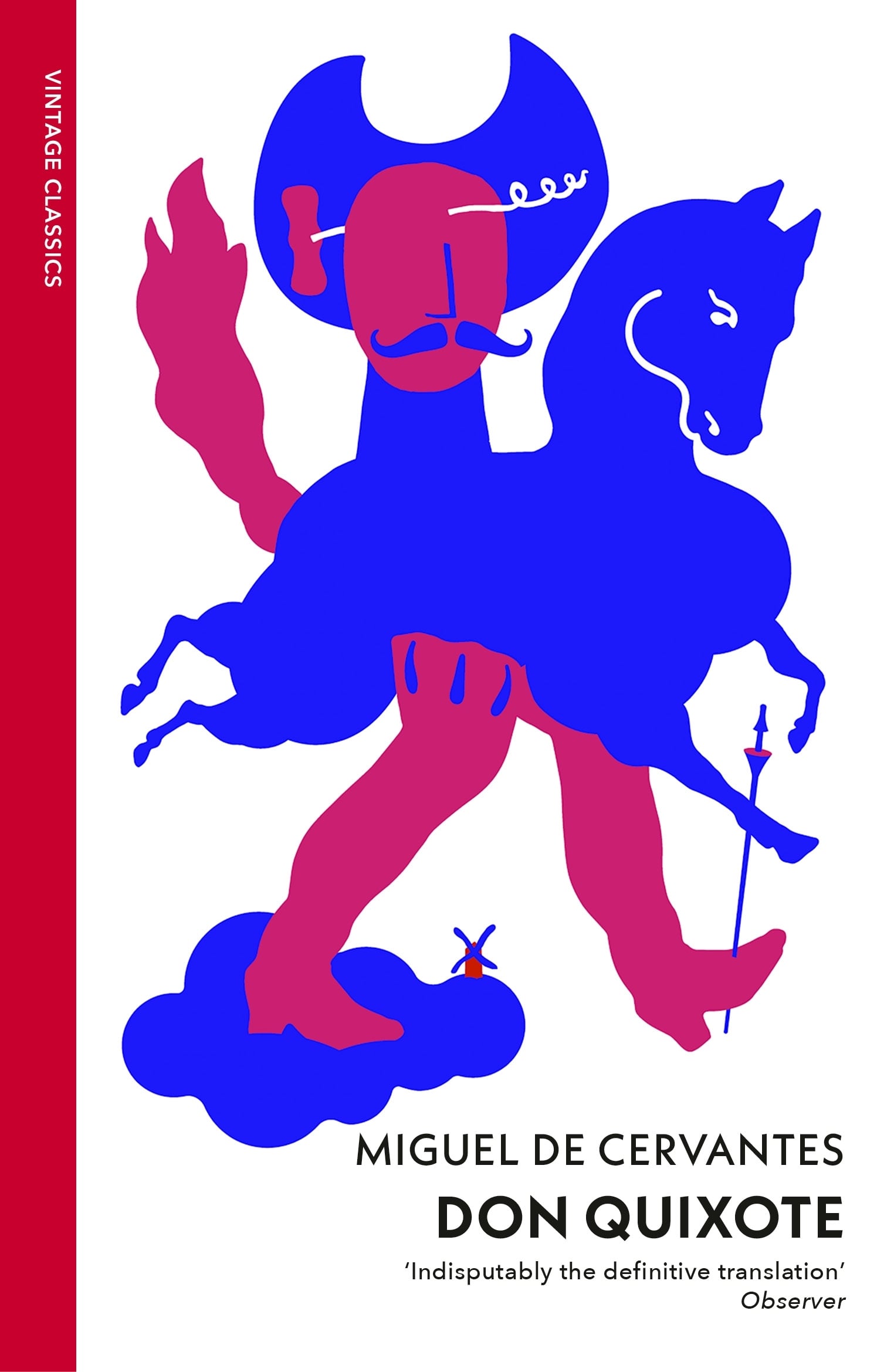
No. 1 on this list. Don Quixote
Miguel de Cervantes · 1605
Challenging32 hours
Taught in schools: Hungarian literature curriculum (magyar nyelv és irodalom) (Hungary), Literatura, Diseño Curricular – Provincia de Buenos Aires (Argentina), Montenegrin literature curriculum (crnogorski jezik i književnost) (Montenegro)
Included in: Bokklubben World Library, Great Books of the Western World
271 syllabus appearances (60.8th percentile) undersells its actual canonical weight. Don Quixote appears on virtually every Western canon list ever compiled, from Harold Bloom's to university core curricula worldwide. It is routinely called the first modern novel and the foundational work of Western fiction. Its relatively lower syllabus count likely reflects the novel's 900+ page length making it harder to assign in survey courses.
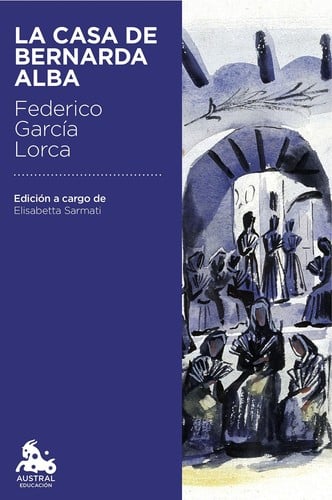
Among the most taught and most staged plays in the world repertory, standard in secondary curricula across Spain and in drama programmes internationally.
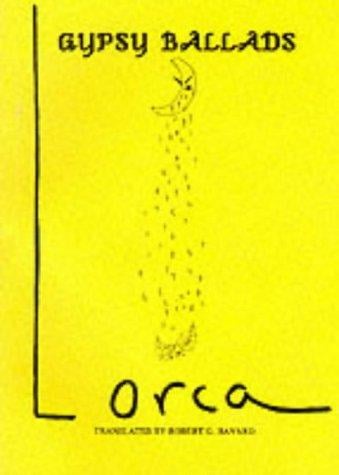
No. 3 on this list. Gypsy Ballads
Federico García Lorca · 1928
Challenging2.3 hours
Included in: Bokklubben World Library
Listed on Le Monde's 100 Books of the Century and the Open Syllabus Top 500 for Literature. Wikipedia articles exist in 18 languages. The Romancero gitano is a fixture in university courses on Spanish literature, European modernism, and world poetry, though its canonical reach outside Spanish-language literary culture is narrower than anglophone modernist landmarks. Pedro Salinas called it 'the most lauded, most triumphant' poetic work of the twentieth century.
Required across Spanish-language education and the single most quoted body of modern Spanish poetry.
The central text of the Spanish Baroque and a required reference point in any account of European poetry's difficulty.
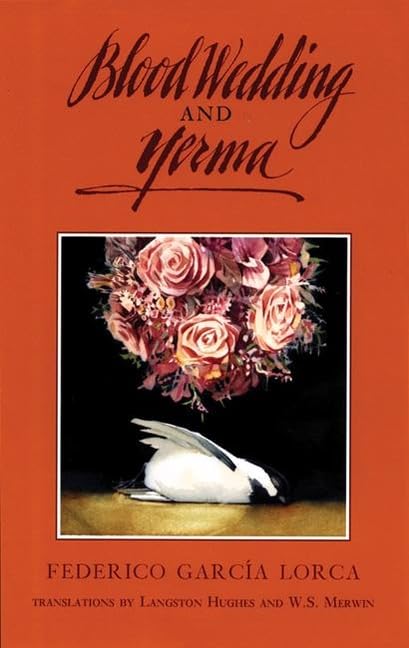
The most performed Spanish play of the twentieth century worldwide and standard in drama and Hispanic-studies curricula.
Universally recognized as the masterpiece of Spanish realism and one of the great European novels of the nineteenth century.
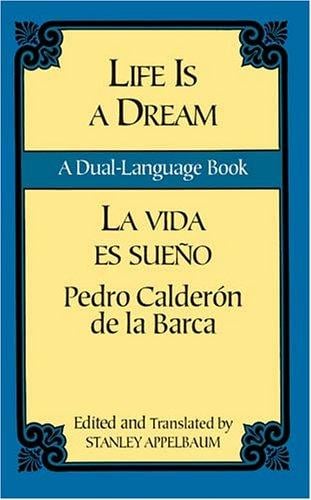
The central play of the Spanish Golden Age, standard in world-drama and Hispanic-studies curricula, and reprinted continuously since 1636.
Ranked immediately after Don Quixote in the Spanish canon, required reading in Spanish education and standard in medieval and Renaissance literature courses worldwide.
No. 10 on this list. Selected Poems of Garcilaso de la Vega
Garcilaso de la Vega · 1543
Challenging1.2 hours
The foundational poet of Spanish Renaissance verse, required in every Spanish literature curriculum and standard in European Renaissance courses.
No. 11 on this list. Bohemian Lights · Ramón del Valle-Inclán · 1924
Required reading in Spanish secondary education and the defining text of the esperpento in every account of modern Spanish theatre.
Difficult2.8 hours
Start this bookNo. 12 on this list. The Time of the Doves · Mercè Rodoreda · 1962
The undisputed masterpiece of twentieth-century Catalan literature. Widely translated and recognized as one of the great European novels of the postwar period.
Easy3 hours
Start this bookNo. 13 on this list. The Trickster of Seville and the Stone Guest · Tirso de Molina · 1630
The source play for one of the four or five most durable characters in European literature, standard in world-drama and comparative-literature syllabi.
Moderate1.3 hours
Start this bookNo. 14 on this list. Marks of Identity · Juan Goytisolo · 1966
Marks of Identity is the opening volume of Goytisolo's Mendiola Trilogy, widely recognized as the most important work of experimental Spanish fiction produced under Francoism. It holds a secure position in world literature syllabi as a landmark text of anti-Francoist dissent written in a formal language learned from Faulkner, Sartre, and the nouveau roman.
Difficult20 hours
Start this bookNo. 15 on this list. The Hive · Camilo José Cela · 1951
Taught in schools: Literatura, Diseño Curricular – Provincia de Buenos Aires (Argentina)
The Hive is a cornerstone of 20th-century Spanish literature, taught in Spanish and comparative literature programs across Spain and Latin America. Its reach outside Spanish-language academia is narrower than global canonical works — it lacks the massive syllabus presence of authors like García Márquez — but within its tradition it is considered essential reading. The Wikipedia article has an adaptations section, indicating some cultural footprint beyond the page.
Difficult11 hours
Start this bookNo. 16 on this list. La Regenta · Leopoldo Alas "Clarín" · 1885
Ranked in Spain as the greatest nineteenth-century Spanish novel and the country's answer to Madame Bovary, standard on Hispanic-studies syllabi worldwide.
Challenging36 hours
Start this bookNo. 17 on this list. Mist · Miguel de Unamuno · 1914
Standard in Spanish literature and modern-European-novel syllabi as the founding text of Hispanic metafiction.
Difficult6.8 hours
Start this bookNo. 18 on this list. Rhymes and Legends · Gustavo Adolfo Bécquer · 1871
The most memorised body of poetry in Spanish after the Coplas, required across Spanish-language secondary education.
Moderate4.1 hours
Start this bookNo. 19 on this list. Fuenteovejuna · Lope de Vega · 1619
The most performed and most taught play of the Spanish Golden Age after Life Is a Dream, standard in Hispanic and world-theatre curricula.
Moderate1.2 hours
Start this bookNo. 20 on this list. Exemplary Novels · Miguel de Cervantes · 1613
The foundational collection of original short fiction in Spanish and a major work by the author of Don Quixote.
Moderate7.9 hours
Read now
No. 21 on this list. Reality and Desire · Luis Cernuda · 1936
Taught in schools: EBAU Lengua Castellana y Literatura II (Andalucía) (Spain)
Standard in Spanish literature curricula as one of the two or three central bodies of Generation of '27 poetry.
Challenging3.2 hours
Start this bookNo. 22 on this list. Verses on the Death of His Father · Jorge Manrique · 1476
Memorised in schools throughout the Spanish-speaking world and standard in every survey of medieval European poetry.
Moderate13 min
Start this bookNo. 23 on this list. Tyrant Banderas · Ramón del Valle-Inclán · 1926
A standard text in Hispanic-studies and Latin American literature courses as the origin point of the dictator novel.
Difficult9.3 hours
Start this bookNo. 24 on this list. Solitudes, Galleries and Other Poems · Antonio Machado · 1907
Standard in Spanish literature curricula as the founding book of Machado's career and of Spanish poetic modernity.
Challenging56 min
Start this bookNo. 25 on this list. The Unending Lightning · Miguel Hernández · 1936
Required across Spanish-language education, with the Elegy for Ramón Sijé among the most memorised poems in Spanish.
Challenging34 min
Start this bookNo. 26 on this list. Time of Silence · Luis Martín-Santos · 1962
Universally taught in Spanish literature courses as the novel that ended social realism and opened Spanish modernism.
Difficult13 hours
Start this bookNo. 27 on this list. Saint Manuel Bueno, Martyr · Miguel de Unamuno · 1931
One of the most assigned texts in Spanish secondary education and a standard novella in world-literature and religion-in-literature courses.
Challenging2.7 hours
Start this bookNo. 28 on this list. The Swindler · Francisco de Quevedo · 1626
One of the three foundational picaresque novels in Spanish and standard reading in Golden Age and comparative-literature courses.
Challenging4 hours
Start this bookNo. 29 on this list. Five Hours with Mario · Miguel Delibes · 1966
One of the most assigned novels in Spanish secondary schools and a standard text on postwar Spanish literature courses.
Challenging9.1 hours
Start this bookNo. 30 on this list. Count Julian · Juan Goytisolo · 1970
Count Julian (Reivindicación del conde don Julián, 1970), the middle novel of the trilogy begun with Marks of Identity, is a standard text in courses on the post-war Spanish novel. Banned in Franco's Spain, it is read in English in Helen Lane's translation.
Very Easy2.6 hours
Start this book
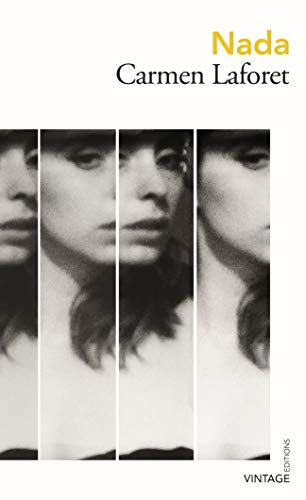
No. 31 on this list. Nada
Carmen Laforet · 1945
No. 32 on this list. The Tree of Knowledge
Pío Baroja · 1911
Taught in schools: EBAU Lengua Castellana y Literatura II (Andalucía) (Spain)
No. 33 on this list. The Holy Innocents
Miguel Delibes · 1981
No. 34 on this list. The Mayor of Zalamea
Pedro Calderon de la Barca · 1636
No. 35 on this list. The River
Rafael Sánchez Ferlosio · 1955
No. 36 on this list. The House of Ulloa
Emilia Pardo Bazán · 1886
No. 37 on this list. Compassion
Benito Pérez Galdós · 1897
No. 38 on this list. Beside the River Sar
Rosalía de Castro · 1884
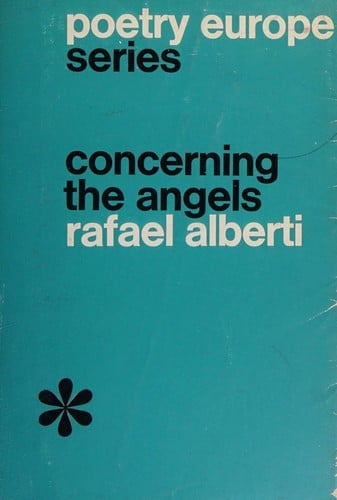
No. 39 on this list. Concerning the Angels
Rafael Alberti · 1929
No. 40 on this list. The Truth about the Savolta Case
Eduardo Mendoza · 1975
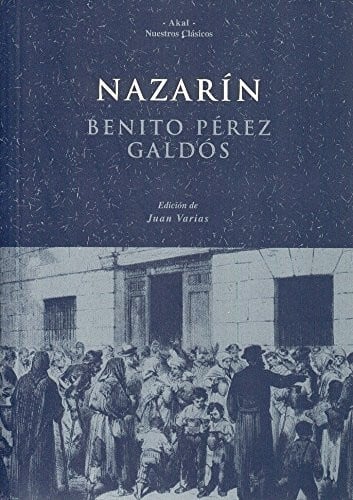
No. 41 on this list. Nazarín
Benito Pérez Galdós · 1895
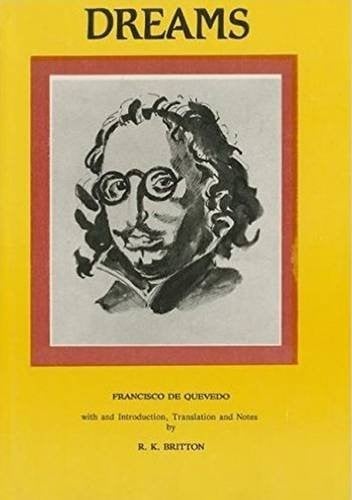
No. 42 on this list. Dreams and Discourses
Francisco de Quevedo · 1627
No. 43 on this list. Return to Región
Juan Benet · 1967
No. 44 on this list. My Voice Because of You
Pedro Salinas · 1933
Included in: UNESCO Collection of Representative Works
No. 45 on this list. Last Evenings with Teresa
Juan Marsé · 1966
No. 46 on this list. The Back Room
Carmen Martín Gaite · 1978
Taught in schools: EBAU Lengua Castellana y Literatura II (Andalucía) (Spain)
No. 47 on this list. Tomorrow in the Battle Think on Me
Javier Marías · 1994
No. 48 on this list. Abel Sánchez
Miguel de Unamuno · 1917
No. 49 on this list. The Dog in the Manger
Lope de Vega · 1618
No. 50 on this list. Sepharad
Antonio Muñoz Molina · 2001
No. 51 on this list. The Quest
Pío Baroja · 1904
No. 52 on this list. School of the Sun
Ana María Matute · 1959
No. 53 on this list. Death in Spring
Mercè Rodoreda · 1986
No. 54 on this list. Obabakoak
Bernardo Atxaga · 1988
No. 55 on this list. The Family of Pascual Duarte
Camilo José Cela · 1942
No. 56 on this list. Platero and I
Juan Ramón Jiménez · 1914
No. 57 on this list. Your Face Tomorrow: Fever and Spear
Javier Marías · 2002
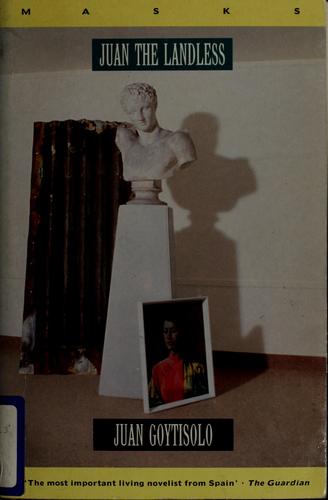
No. 58 on this list. Juan the Landless
Juan Goytisolo · 1975
No. 59 on this list. Autos Sacramentales
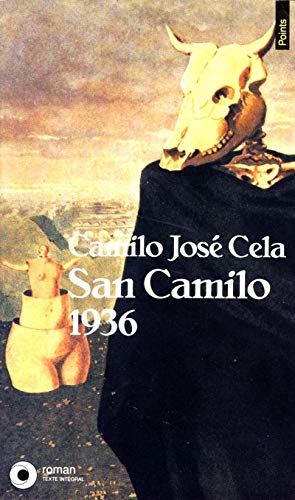
No. 60 on this list. San Camilo, 1936
Camilo José Cela · 1969
No. 61 on this list. The City of Marvels
Eduardo Mendoza · 1986
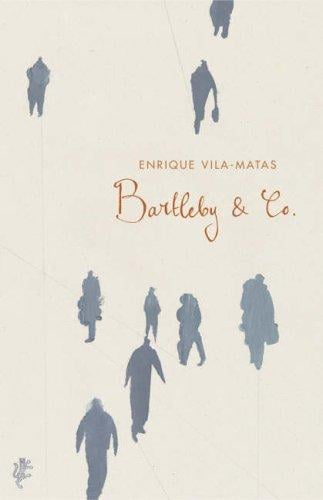
No. 62 on this list. Bartleby & Co.
Enrique Vila-Matas · 2000
No. 63 on this list. Berta Isla
Javier Marías · 2018
No. 64 on this list. The Path
Miguel Delibes · 1950
No. 65 on this list. Shadow of Paradise
Vicente Aleixandre · 1944
No. 66 on this list. A Broken Mirror
Mercè Rodoreda · 1974
No. 67 on this list. Never Any End to Paris
Enrique Vila-Matas · 2003
No. 68 on this list. A Manuscript of Ashes
Antonio Muñoz Molina · 1986
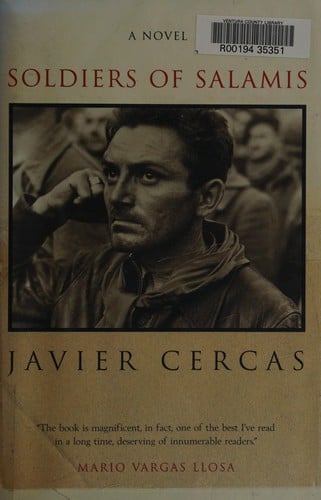
No. 69 on this list. Soldiers of Salamis
Javier Cercas · 2001
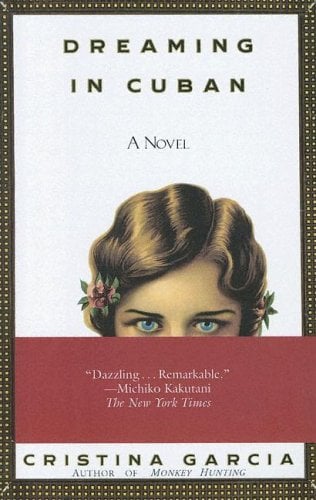
No. 70 on this list. Dreaming in Cuban
Cristina García · 1992
Taught in schools: Common Core text exemplars (Appendix B) (US)
No. 71 on this list. His Only Son
Leopoldo Alas "Clarín" · 1891
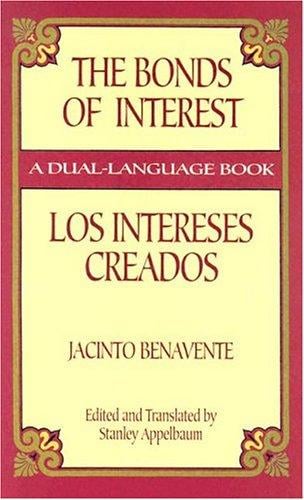
No. 72 on this list. The Bonds of Interest
Jacinto Benavente · 1907
No. 73 on this list. Homeland
Fernando Aramburu · 2016
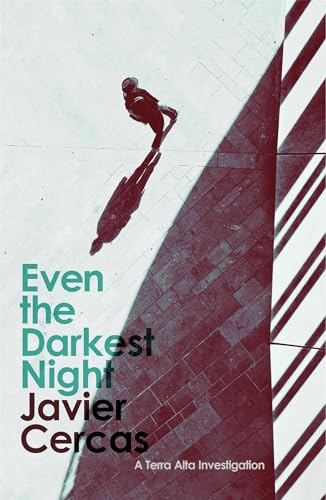
No. 74 on this list. Terra Alta
Javier Cercas · 2023
No. 75 on this list. Prohibido suicidarse en primavera
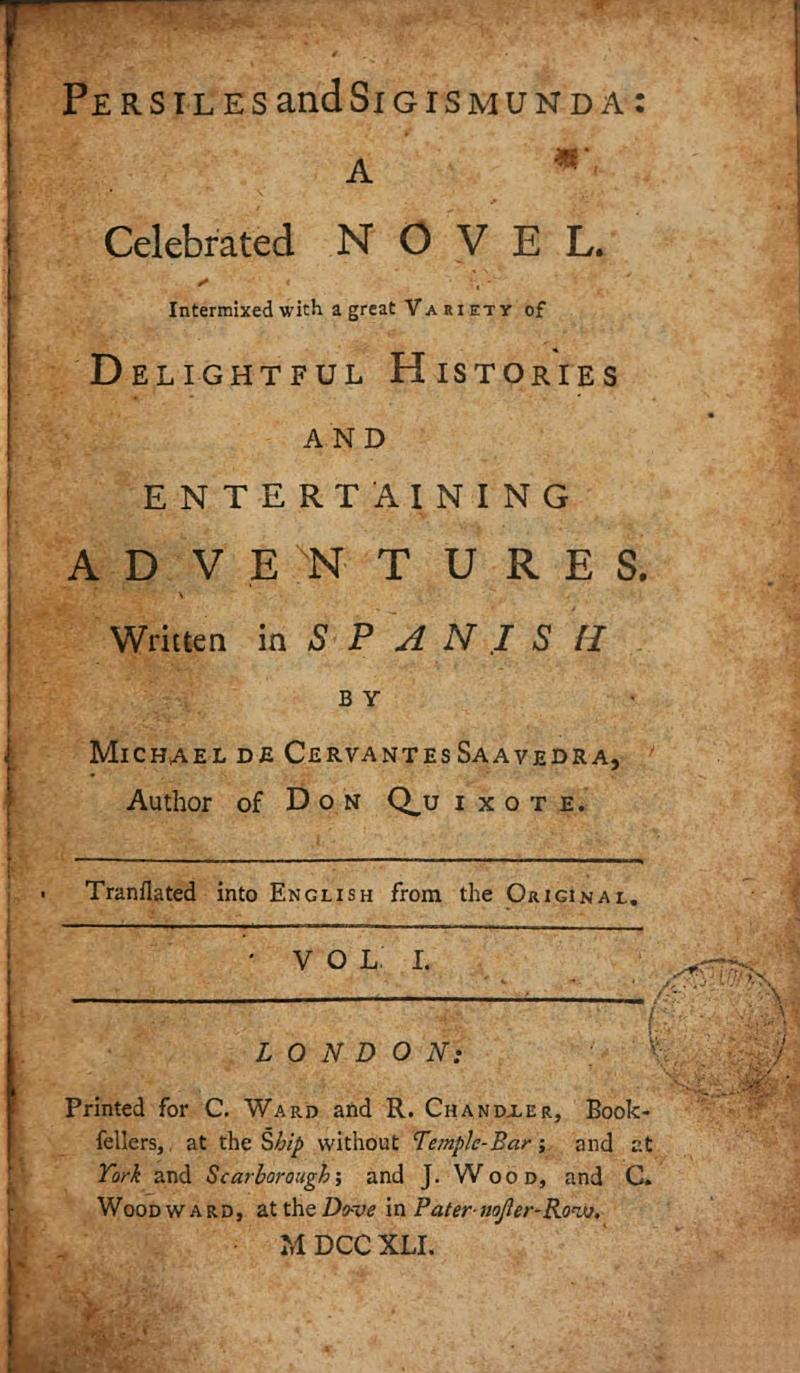
No. 76 on this list. The Travails of Persiles and Sigismunda
Miguel de Cervantes · 1617
No. 77 on this list. The Club Dumas
Arturo Pérez-Reverte · 1993
No. 78 on this list. The Fencing Master
Arturo Pérez-Reverte · 1988
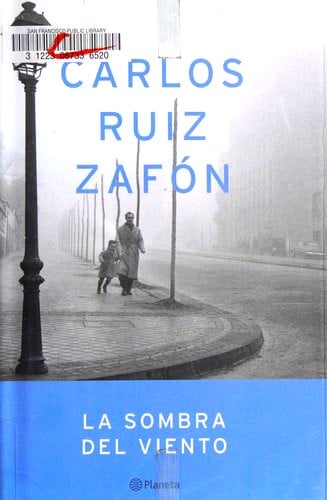
No. 79 on this list. The Shadow of the Wind
Carlos Ruiz Zafón · 2001
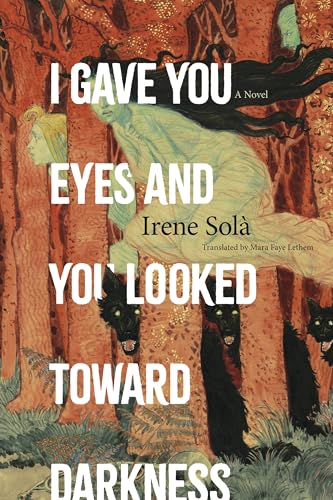
No. 80 on this list. I Give You Eyes and You Looked Toward Darkness
Irene Solà · 2025

No. 81 on this list. Rosario Tijeras
Jorge Franco · 2011
No. 82 on this list. The Spanish Love Deception
Elena Armas · 2021
No. 83 on this list. I Gave You Eyes and You Looked Toward Darkness
Irene Solà · 2023
No. 84 on this list. A Luminous Republic
Andrés Barba · 2017
No. 85 on this list. Boulder
Eva Baltasar · 2023
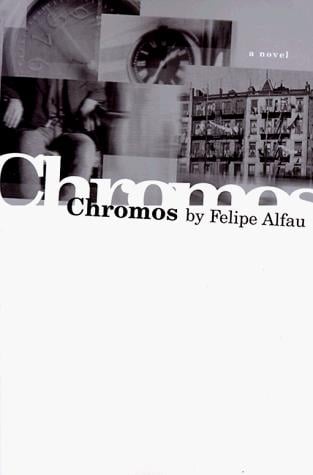
No. 86 on this list. Chromos
Felipe Alfau · 1990
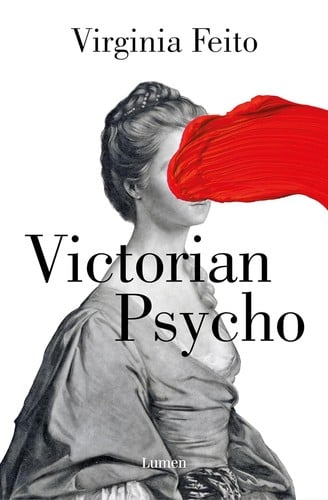
No. 87 on this list. Victorian Psycho
Virginia Feito · 2025
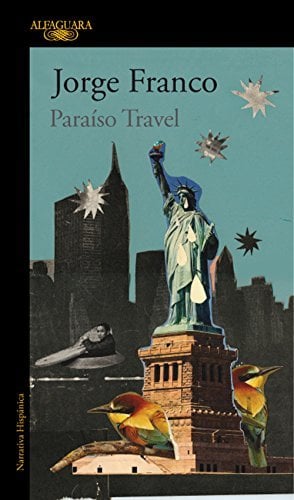
No. 88 on this list. Paradise Travel
Jorge Franco · 2017
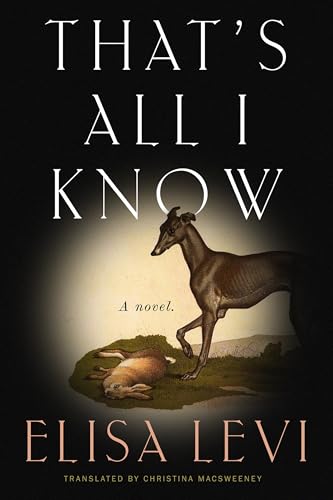
No. 89 on this list. That's All I Know
Elisa Levi · 2025
No. 90 on this list. Marina
Carlos Ruiz Zafón · 1999
About this list
These 94 books are the highest-scoring eligible books from Spain currently in the catalogue. About 666 hours of reading in all. Difficulty runs from 52 to 69 out of 100 for the middle half of the list; the summit is Juan the Landless at 88.
This is a computed ranking ordered by literary regard, with a consistent order for equal scores. Membership follows authors and co-authors, not translators or editors. The list keeps to literature: fiction, poetry, drama and philosophy, its novels, poems and plays first and its philosophy after them, and no more than three works by one author. Catalogue coverage and the historical canon both limit what this list can represent.
When we matched the Canons dataset to our catalogue in October 2026, our canonical-status scores rose with the number of school curricula, publisher series and lists in it that cite a work: the median score was 72 for books one such source cites, 84 at two, 88 at three, 92 at four and 93 at five or more. Prizes are left out of that count. Outside the state curricula, the dataset’s sources choose mostly from what has been translated into English or French, so it is a weaker check on other literatures. Source: Canons (Andrew Piper), CC BY 4.0
Questions people actually ask
- What are the best books from Spain?
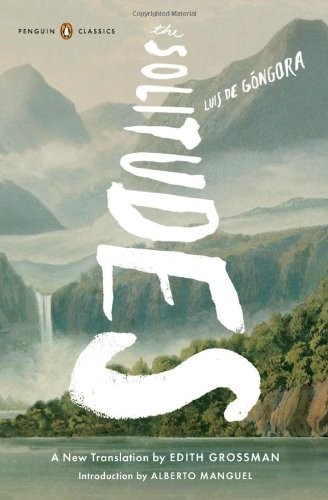
- By literary regard, which weighs canonical status, critical standing and influence: Don Quixote by Miguel de Cervantes, The House of Bernarda Alba by Federico García Lorca, Gypsy Ballads by Federico García Lorca, Fields of Castile by Antonio Machado and The Solitudes by Luis de Góngora. ReadingRate ranks 94 such books, each with a difficulty score and a reading-time estimate.
- Which books from Spain should I read first?
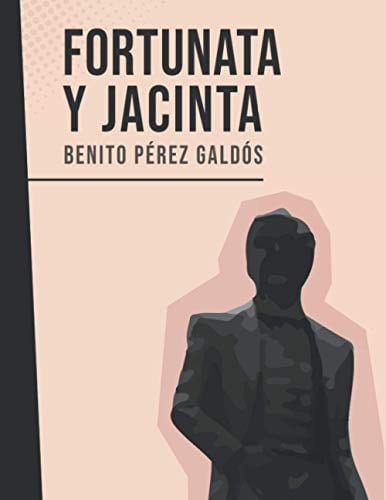
- Start from difficulty, not from rank. The most approachable books on this list that still carry top literary regard are The Time of the Doves by Mercè Rodoreda (about 3 hours), Fortunata and Jacinta by Benito Pérez Galdós and Exemplary Novels by Miguel de Cervantes.
- What are the shortest of the best books from Spain?
- Among the top 25, the shortest are Verses on the Death of His Father by Jorge Manrique (about 13 min), The Unending Lightning by Miguel Hernández (about 34 min) and The Solitudes by Luis de Góngora (about 1.2 hours), at an average pace of 250 words a minute adjusted for each book's difficulty.
- Which of the best books from Spain are the established classics?
- By canonical status, how firmly a book sits in curricula, anthologies and the canon: Don Quixote by Miguel de Cervantes, Celestina by Fernando de Rojas, The House of Bernarda Alba by Federico García Lorca, Fields of Castile by Antonio Machado and La Regenta by Leopoldo Alas "Clarín".
- Can I read any of these books from Spain for free?
- 1 of the 94 opens in ReadingRate's reader with a free account, from public-domain editions: Exemplary Novels.
- How long would it take to read the top ten?
- About 73 hours, at an average pace of 250 words a minute adjusted for each book's difficulty: 37 days at two hours a day. Set your own pace on the page and the list's reading times change to it.
- How hard are books from Spain to read?
- Most of this list sits between 52 and 69 on ReadingRate's 100-point difficulty scale, where 40 to 55 is moderate. The summit is Juan the Landless at 88. Every entry carries its own score, so a reader can pick a great book at a difficulty they will finish.
- Is Don Quixote hard to read?
- Less than its reputation suggests. It scores in the middle of the difficulty range — the demand it makes is length and episodic structure rather than difficult prose, and a good modern translation removes most of the rest.
- Where should I start with Federico García Lorca?
- The House of Bernarda Alba if you want the plays, Gypsy Ballads if you want the poetry. Both rank near the top of Spanish writing by regard and score moderately for difficulty; Poet in New York is the more demanding entry.
- How is this list ranked?
- On literary-regard data: how canonically established a work is, its critical standing, and its influence on later writing. It is not a readers’ poll, which is why recent bestsellers rarely appear. Membership follows authors and co-authors, not translators or editors. Lists by country, author, period, theme or difficulty keep to literature (fiction, poetry, drama and philosophy), their novels, poems and plays first and their philosophy after them; a list of a kind of book, such as memoir or criticism, keeps every book of that kind. Every list holds at most three works by one author.