Hours at an average pace
Showing 66 books
About 615 hours for 66 of 66 books with measured lengths. Estimates use 250 words a minute, adjusted for each book's difficulty. At 2 hours a day, about 308 days for those books.
No. 1 on this list. Heart of Darkness
Joseph Conrad · 1899
Challenging4 hours
Taught in schools: Pacific Senior Secondary Certificate – English, Pearson Edexcel GCSE and A-level English Literature (UK)
Included in: Great Books of the Western World
Appears on 5,515 university syllabi according to Open Syllabus (93.5th percentile), placing it above The Great Gatsby in teaching frequency. Listed on the Modern Library 100 Best Novels (1998) and consistently featured on 'essential reading' lists. Wikipedia articles exist in 49 languages, reflecting global canonical reach.
Nobel laureate and one of the most important poets of the twentieth century. Central to Polish literature and increasingly recognized in world poetry.
The Polish national epic, compulsory in Polish schools, and the standard reference point for Polish literature in every world-literature survey.
No. 4 on this list. The Street of Crocodiles
Bruno Schulz · 1934
Difficult7.1 hours
Taught in schools: Lektury obowiązkowe – Polish national reading list (Poland)
A standard text in world-literature and modernism syllabi and the central work of Polish literary modernism after Gombrowicz.
No. 5 on this list. Lord Jim
Joseph Conrad · 1900
Challenging11 hours
Taught in schools: CSEC English B – Caribbean Examinations Council
The great novel of honor lost and sought. Jim's jump from the Patna, his redemption in Patusan, Marlow's narration—Conrad explored how one moment can define a life. Core text in modernism and British literature courses.
Under Western Eyes holds a secure place in the Conrad canon — studied in university courses alongside Nostromo, The Secret Agent, and Lord Jim, and consistently discussed in critical accounts of Conrad's major work. Leavis included Conrad among the great tradition of English novelists, and the novel's treatment of guilt, betrayal, and political despotism has kept it on syllabi across literature and political thought programmes. Its standing is below Heart of Darkness and Lord Jim in frequency of assignment but firmly canonical within the Conrad corpus.
Solaris is the most canonically recognized work of Eastern European science fiction, taught in SF studies, philosophy of science, and world literature courses at universities across Europe, North America, and East Asia. Its Wikipedia article exists in over 50 languages. The Tarkovsky film adaptation (1972) cemented its cultural standing. Within speculative fiction it holds a position equivalent to Ulysses in modernist literature — the work against which all philosophical SF is measured.
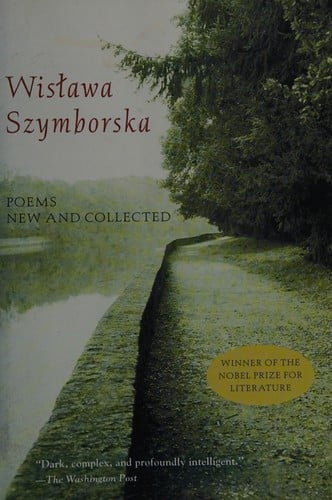
The standard complete Szymborska in English and a fixture of world-poetry syllabi since its publication.
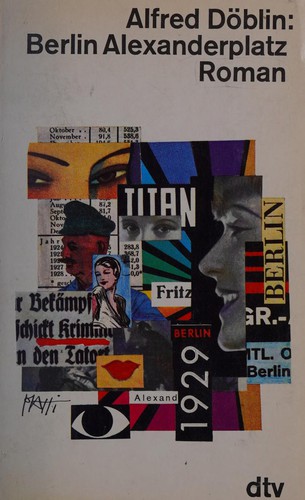
No. 9 on this list. Berlin Alexanderplatz
Alfred Döblin · 1929
Challenging12 hours
Included in: Bokklubben World Library
Widely seen as the great German modernist city novel, taught in German and world literature courses and often paired with Ulysses and Manhattan Transfer. Its standing is high but narrower than the very top of the canon.
Szymborska's retrospective gathers five decades of work in what would become the definitive English collection. Her poems are deceptively simple—short, conversational, funny—while containing philosophical depths. She writes about clouds and dreams and history, about the way reality keeps being stranger than our categories. 'I am who I am. / A coincidence no less unthinkable / than any other.' She won the Nobel in 1996, and these poems show why: a voice at once modest and vast, finding wonder in ordinary things.
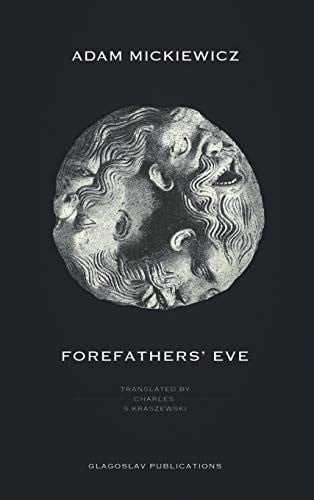
No. 11 on this list. Forefathers' Eve · Adam Mickiewicz · 1832
Taught in schools: Lektury obowiązkowe – Polish national reading list (Poland)
Compulsory in Polish education and the most politically charged text in the Polish canon, though little known outside Slavic studies.
Difficult5.8 hours
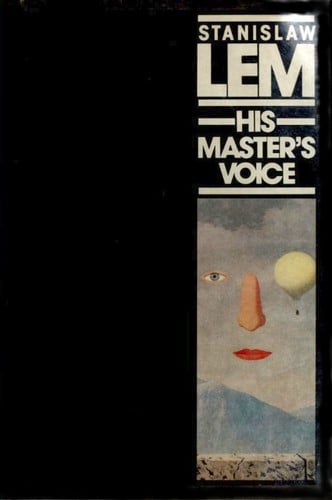
Start this bookNo. 12 on this list. His Master's Voice · Stanisław Lem · 1968
His Master's Voice holds a firm canonical position within science fiction studies and Eastern European literature curricula, though it remains outside the mainstream Western literary canon. No syllabus data appears in the database, but the novel is consistently cited in SF critical histories as one of Lem's three or four most important works alongside Solaris and The Cyberiad. It appears in translations across at least 20 languages and features on 'essential SF' lists compiled by critics, not algorithms.
Difficult9.3 hours
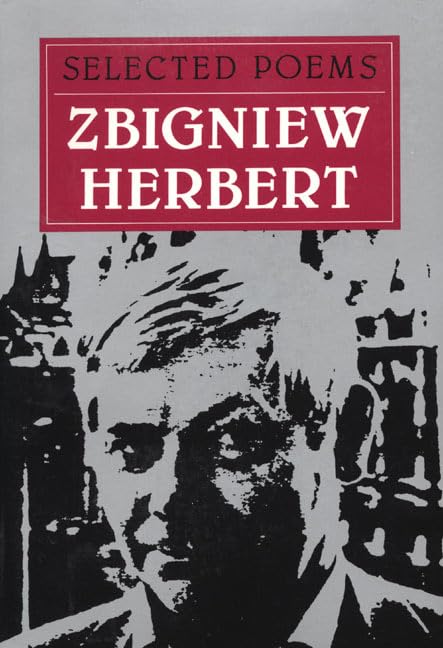
Start this bookNo. 13 on this list. Selected Poems of Zbigniew Herbert · Zbigniew Herbert · 1977
One of the most important Polish poets of the twentieth century, widely translated and taught in courses on modern poetry.
Moderate3.2 hours
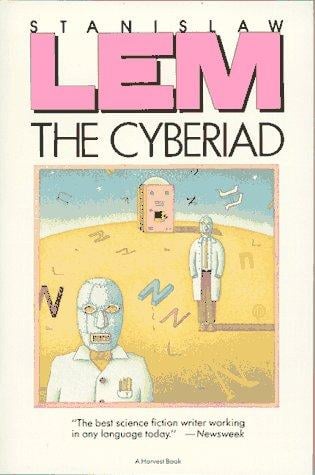
Start this bookNo. 14 on this list. The Cyberiad · Stanisław Lem · 1965
Trurl and Klapaucius are constructors — engineers of impossible things — who travel the universe building machines that write poetry, create dragons out of probability, and kidnap kings using algorithms. In the opening story, Trurl builds a machine that can make anything starting with the letter N. When it begins making Nothing — not ordinary nothing, but dynamic, aggressive Nothingness — it starts erasing the world one item at a time: the gruncheons go, then the pritons, then the zits, and the sky acquires holes that have never healed. Stanisław Lem writes fairy tales about robots, but the fairy tales are philosophical arguments in disguise. Each of the fifteen linked adventures runs a thought experiment: what happens when collective intelligence exceeds the scale at which militarism makes sense? Can a machine write great poetry if civilization wrote the poet? What does it mean to exist inside a simulation you cannot distinguish from reality? The deadpan fable narrator treats catastrophe and cosmic comedy with identical gravity, and the gap between that voice and what is actually happening is where all the meaning lives. The Cyberiad reads as slapstick adventure on the surface — Trurl escaping dungeon after dungeon with improbable ingenuity — and as philosophy underneath, where questions about consciousness, creation, and the purpose of intelligence are never resolved. Lem gives you both pleasures at once, and the math jokes are genuine.
Challenging8.4 hours
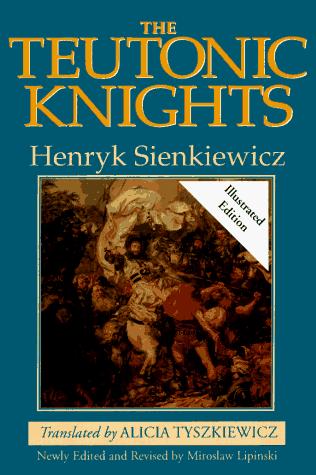
Start this bookNo. 15 on this list. The Knights of the Cross · Henryk Sienkiewicz · 1900
The Knights of the Cross holds major canonical status in Polish literature as one of Sienkiewicz's historical trilogy novels, widely taught in Polish schools and central to national cultural identity. The work occupies a prominent place in Slavic literary studies and 19th-century historical fiction scholarship. However, it remains less universally recognized in the broader Western canon than contemporaneous works by Tolstoy, Dostoevsky, or Flaubert, partly due to its specific focus on Polish-Teutonic conflicts and its distance from modernist aesthetics that shaped 20th-century canonicity. Still, Sienkiewicz's Nobel Prize (1905) ensures enduring international recognition.
Moderate15 hours
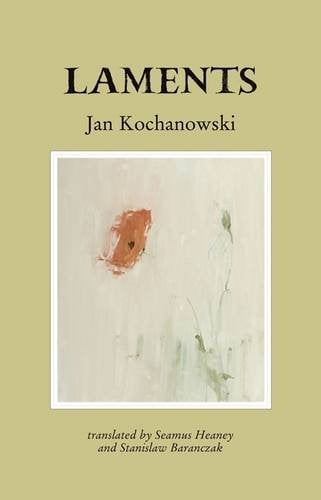
Read nowNo. 16 on this list. Laments · Jan Kochanowski · 1580
Taught in schools: Lektury obowiązkowe – Polish national reading list (Poland)
Compulsory in Polish education, the founding masterpiece of Polish poetry, and standard in Renaissance literature courses.
Challenging21 min
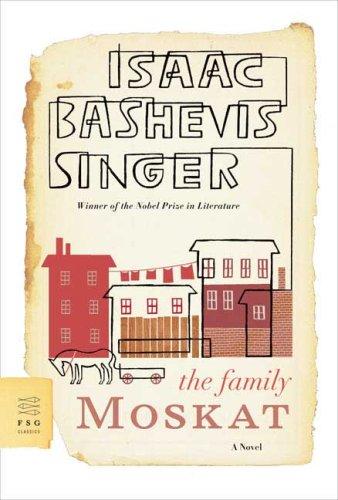
Start this bookNo. 17 on this list. The Family Moskat · Isaac Bashevis Singer · 1950
Listed in the Open Syllabus Top 500 Literature titles and published in prestige editions by both Library of America and NYRB Classics, signaling recognition among specialists. Its Wikipedia article exists in only 5 languages, reflecting limited global cultural penetration compared to Singer's better-known short stories. It occupies a place in the canon as Singer's major novel, taught in Jewish literature and 20th-century world literature courses, though less universally than works by the Nobel laureates it stands beside.
Challenging19 hours
Start this bookNo. 18 on this list. Mr Cogito · Zbigniew Herbert · 1974
Standard in Polish curricula and widely taught in world-poetry courses; The Envoy is among the most quoted poems in Polish.
Challenging1 hours
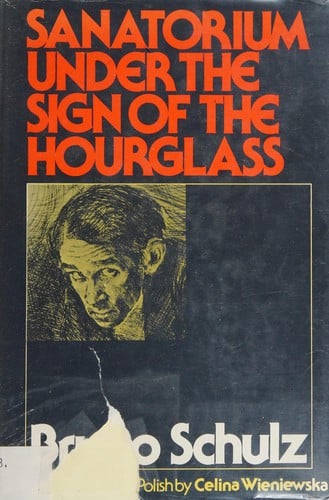
Start this bookNo. 19 on this list. Sanatorium Under the Sign of the Hourglass · Bruno Schulz · 1937
Standard in Central European and modernism courses and inseparable from Schulz's first collection in most curricula.
Difficult8.4 hours
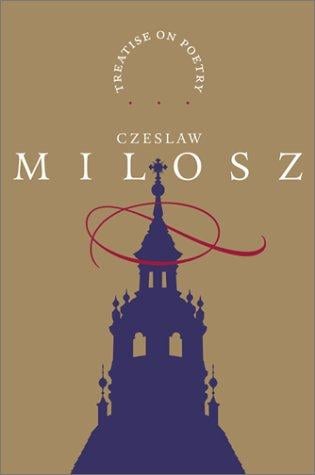
Start this bookNo. 20 on this list. A Treatise on Poetry · Czesław Miłosz · 1957
Standard in Polish curricula and in courses on twentieth-century European poetry, though its density limits general assignment.
Difficult1.1 hours
Start this book
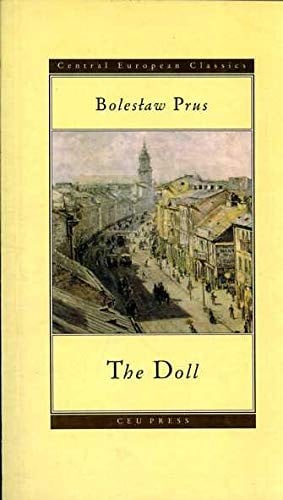
No. 21 on this list. The Doll · Bolesław Prus · 1890
Included in: UNESCO Collection of Representative Works
Compulsory in Polish schools and voted the greatest Polish novel in a 2015 national poll, though less known outside Central Europe.
Challenging28 hours
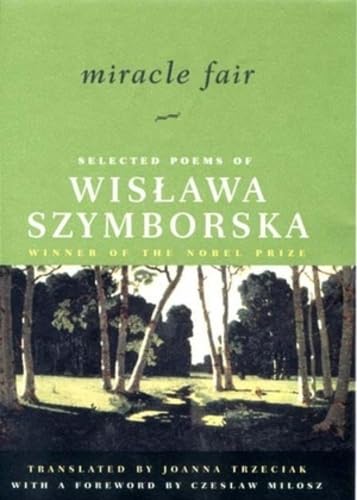
Start this bookNo. 22 on this list. Selected Poems of Wisława Szymborska · Wisława Szymborska · 1998
Szymborska is a staple of world poetry courses and a Nobel laureate, and this collection is the standard English edition of her work. Its place is secure, though below Hamlet or Gatsby in universal syllabus presence.
Moderate2.4 hours
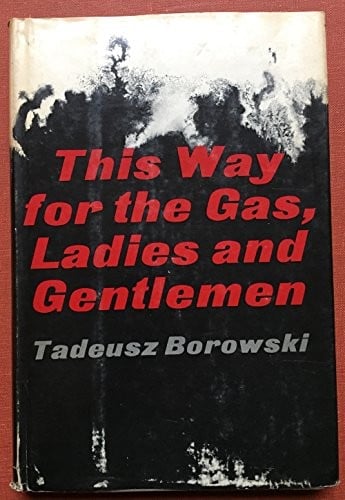
Start this bookNo. 23 on this list. This Way for the Gas, Ladies and Gentlemen · Tadeusz Borowski · 1948
A standard text in Holocaust-literature curricula worldwide and compulsory reading in Polish schools.
Challenging5.3 hours
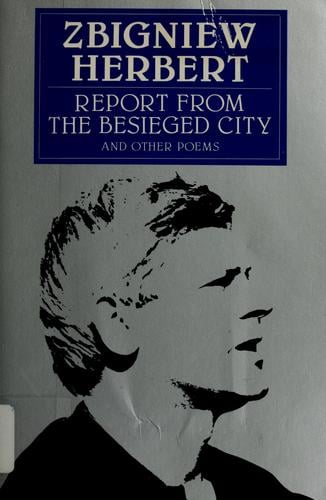
Start this bookNo. 24 on this list. Report from the Besieged City · Zbigniew Herbert · 1983
Standard in Polish and East European poetry curricula and the book most often cited in accounts of literature under martial law.
Difficult1 hours
Start this bookNo. 25 on this list. Vade-mecum and Selected Poems · Cyprian Kamil Norwid
Compulsory in Polish schools and central to Polish literary study, though translation has limited his international presence.
Difficult1.7 hours
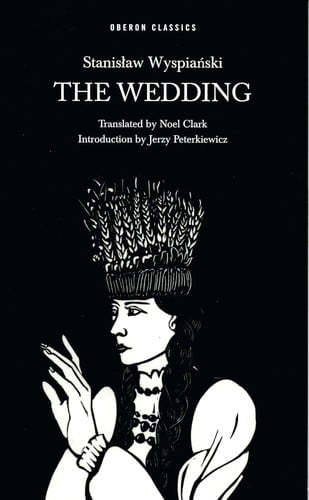
Start this bookNo. 26 on this list. The Wedding · Stanisław Wyspiański · 1901
Taught in schools: Lektury obowiązkowe – Polish national reading list (Poland)
Compulsory in Polish schools and the single most performed Polish play, though little known outside Central Europe.
Difficult2.7 hours
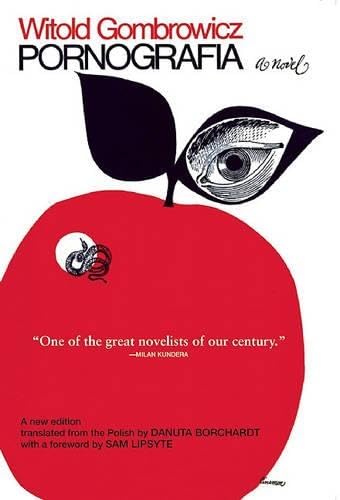
Start this bookNo. 27 on this list. Pornografia · Witold Gombrowicz · 1960
Pornografia is widely taught in European and Latin American literature courses and appears on world literature syllabi, though its presence in English-language curricula is more limited than Gombrowicz's Ferdydurke. No syllabus data was available in the database, and no Wikipedia article was indexed, but the novel is broadly recognized as a major work of 20th-century European fiction and appears on multiple 'greatest novels' lists.
Difficult6.2 hours
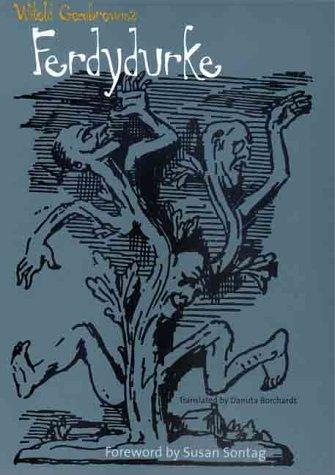
Start this bookNo. 28 on this list. Ferdydurke · Witold Gombrowicz · 1937
Taught in schools: Lektury obowiązkowe – Polish national reading list (Poland)
Ferdydurke is essential reading in Polish literature curricula and widely included in European modernism and world literature survey courses. Its English-language standing was significantly elevated by the 2000 Yale University Press translation with Susan Sontag's foreword. Less universally taught than Kafka or Borges in Anglophone institutions, but its canonical status in Eastern European and comparative literature contexts is strong.
Difficult13 hours
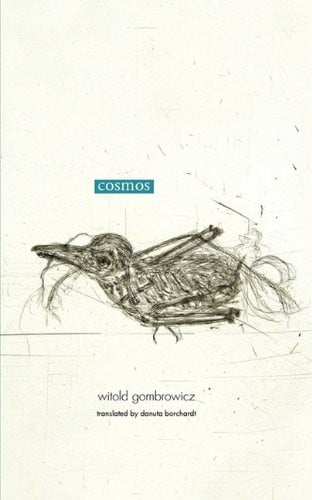
Start this bookNo. 29 on this list. Cosmos · Witold Gombrowicz · 1965
Standard in courses on the European experimental novel and central to Gombrowicz's international curricular presence.
Difficult8.9 hours
Start this bookNo. 30 on this list. They Came to See a Poet: Selected Poems · Tadeusz Różewicz · 1991
Compulsory in Polish education and standard in courses on postwar European poetry.
Challenging58 min
Start this book
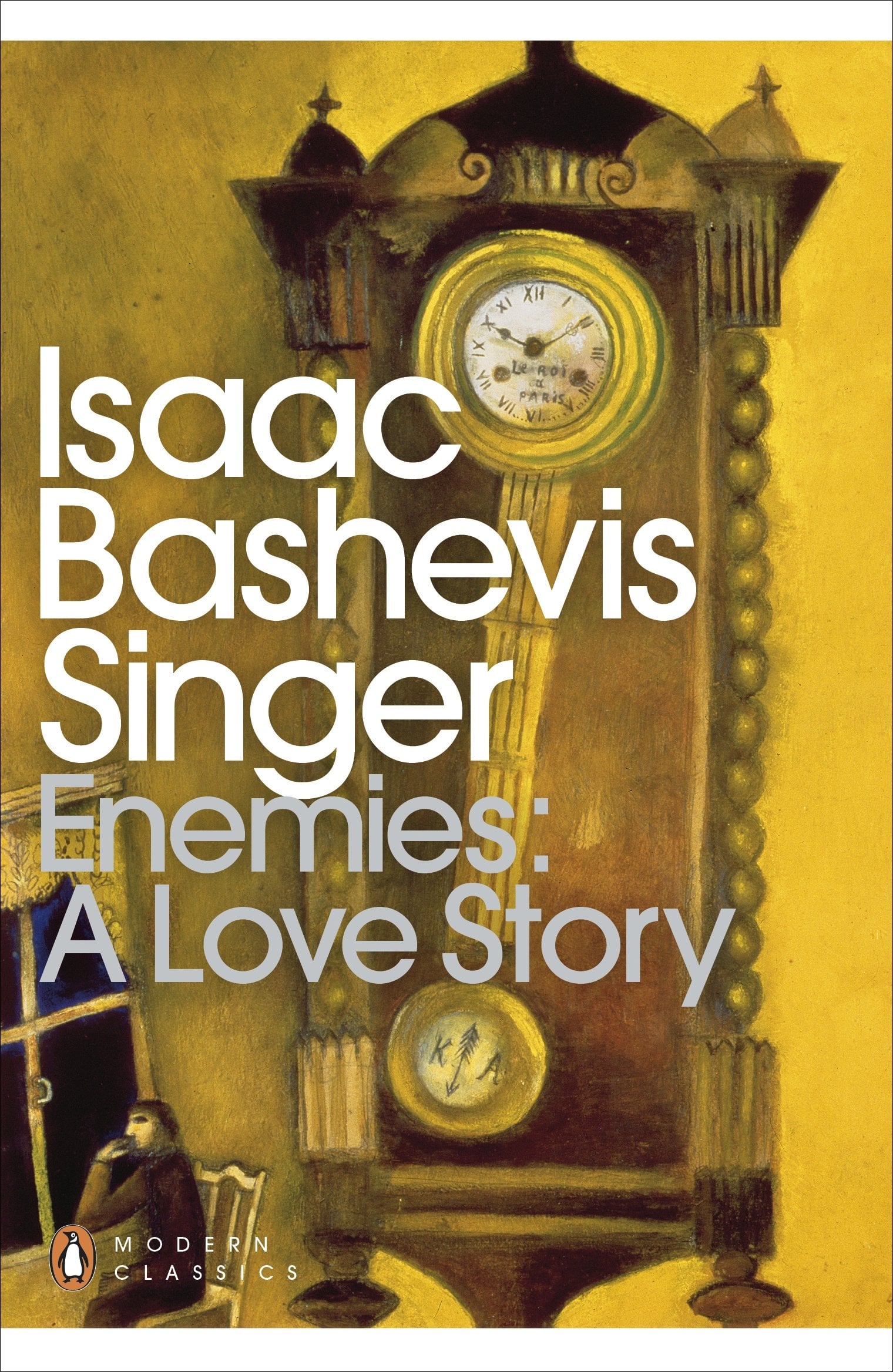
No. 31 on this list. Enemies, A Love Story
Isaac Bashevis Singer · 1966
No. 32 on this list. Kordian
Juliusz Słowacki · 1834
Taught in schools: Lektury obowiązkowe – Polish national reading list (Poland)
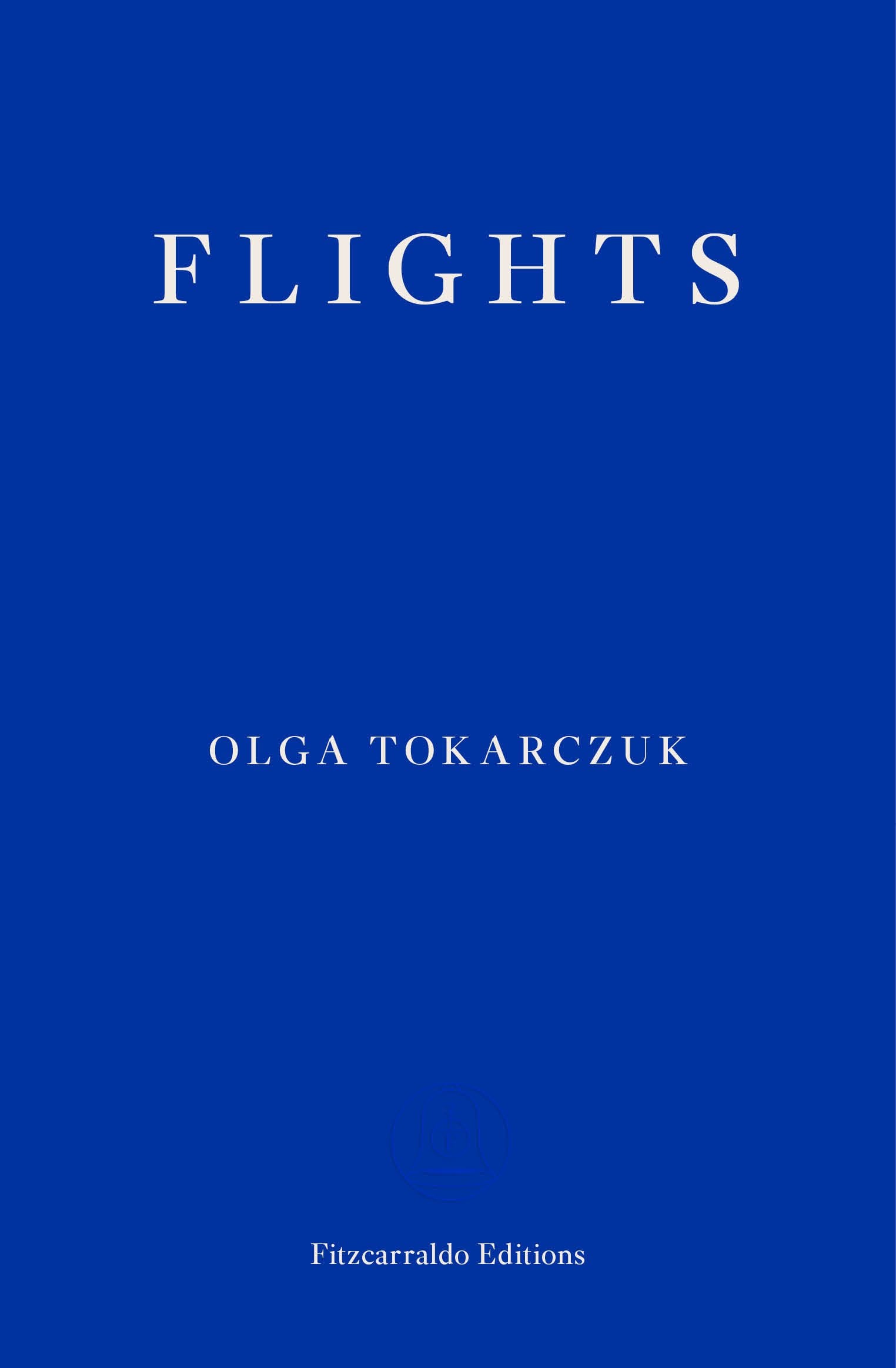
No. 33 on this list. Flights
Olga Tokarczuk · 2007
No. 34 on this list. Medallions
Zofia Nałkowska · 1946
No. 35 on this list. The Un-Divine Comedy
Zygmunt Krasiński · 1835
No. 36 on this list. Pharaoh
Bolesław Prus · 1897
No. 37 on this list. The Trilogy
No. 38 on this list. Tango
Sławomir Mrożek · 1964
Taught in schools: Lektury obowiązkowe – Polish national reading list (Poland)
No. 39 on this list. The Magician of Lublin
Isaac Bashevis Singer · 1960
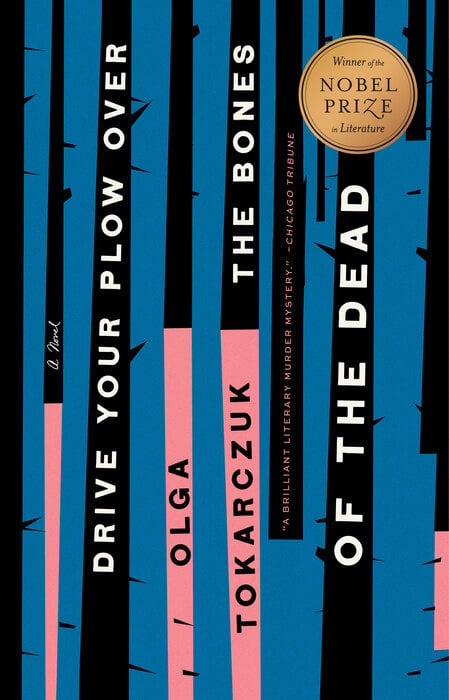
No. 40 on this list. Drive Your Plow Over the Bones of the Dead
Olga Tokarczuk · 2019
No. 41 on this list. A Memoir of the Warsaw Uprising
Miron Białoszewski · 1970
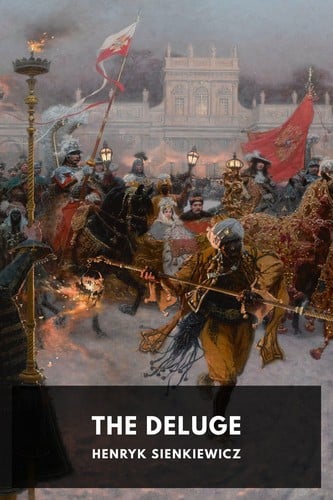
No. 42 on this list. The Deluge
Henryk Sienkiewicz · 1886
Taught in schools: Lektury obowiązkowe – Polish national reading list (Poland)
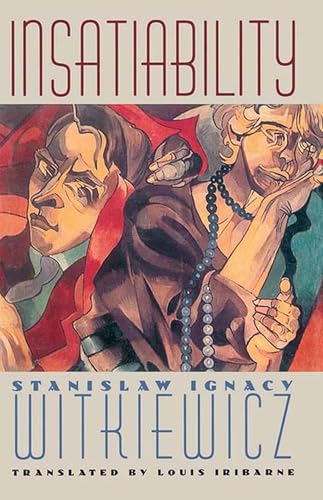
No. 43 on this list. Insatiability
Stanisław Ignacy Witkiewicz · 1930
No. 44 on this list. Without End: New and Selected Poems
Adam Zagajewski · 2002
No. 45 on this list. Ashes and Diamonds
Jerzy Andrzejewski · 1948
No. 46 on this list. The Promised Land
Władysław Reymont · 1899
No. 47 on this list. The Manuscript Found in Saragossa
Jan Potocki · 1815
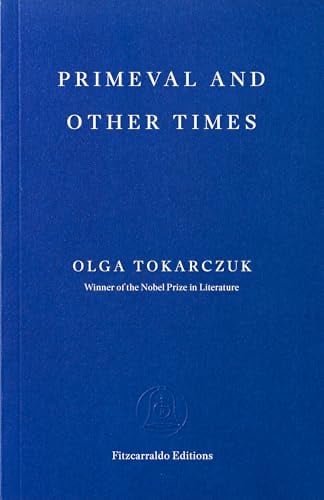
No. 48 on this list. Primeval and Other Times
Olga Tokarczuk · 1996
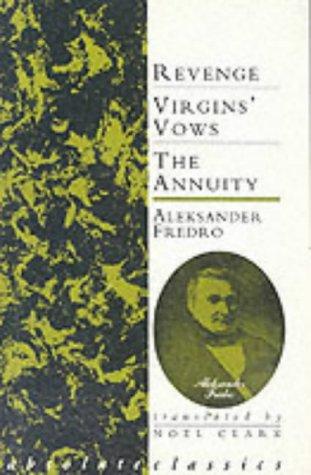
No. 49 on this list. Revenge
Aleksander Fredro · 1834
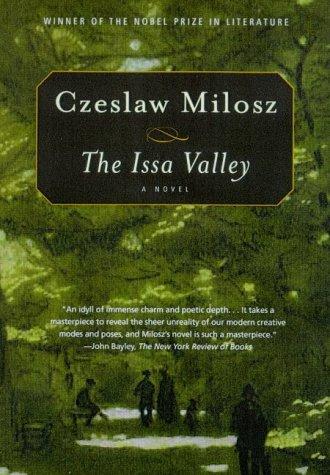
No. 50 on this list. The Issa Valley
Czesław Miłosz · 1955
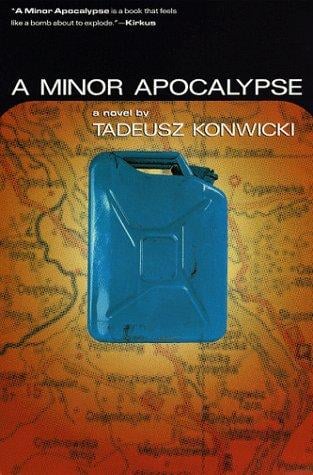
No. 51 on this list. A Minor Apocalypse
Tadeusz Konwicki · 1979
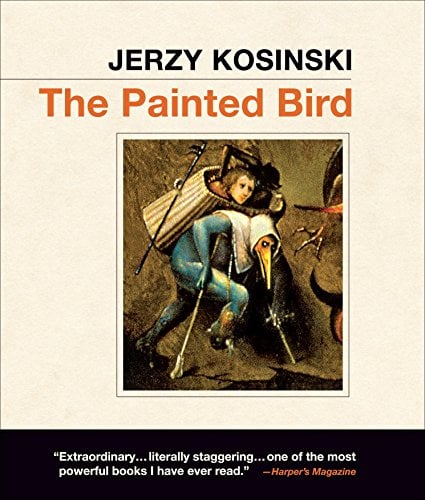
No. 52 on this list. The Painted Bird
Jerzy Kosinski · 1965
No. 53 on this list. The Elephant
Sławomir Mrożek · 1957
No. 54 on this list. Farewell to Autumn
Stanisław Ignacy Witkiewicz · 1927
No. 55 on this list. The Outpost
Bolesław Prus · 1886
No. 56 on this list. The Polish Complex
Tadeusz Konwicki · 1977
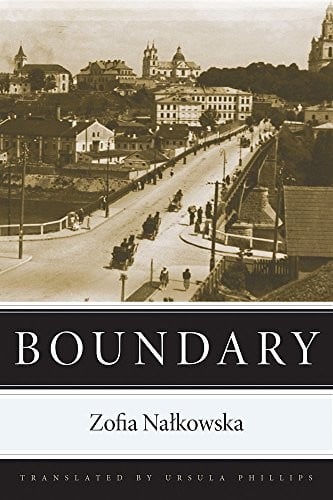
No. 57 on this list. Boundary
Zofia Nałkowska · 1935
No. 58 on this list. The Peasants
Władysław Reymont · 1904
Taught in schools: Lektury obowiązkowe – Polish national reading list (Poland)
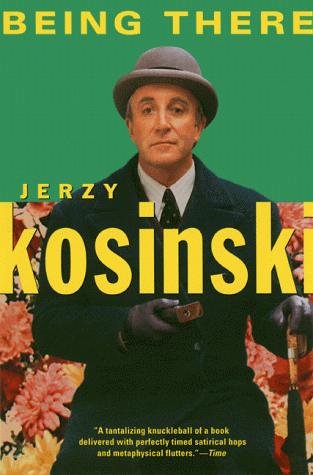
No. 59 on this list. Being There
Jerzy Kosinski · 1970
No. 60 on this list. The Eighth Day of the Week
Marek Hłasko · 1956
No. 61 on this list. A Dreambook for Our Time
Tadeusz Konwicki · 1963
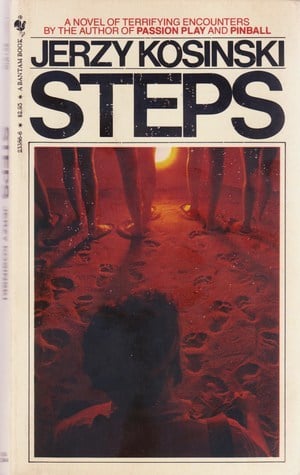
No. 62 on this list. Steps
Jerzy Kosinski · 1969
No. 63 on this list. The Beautiful Mrs. Seidenman
Andrzej Szczypiorski · 1986
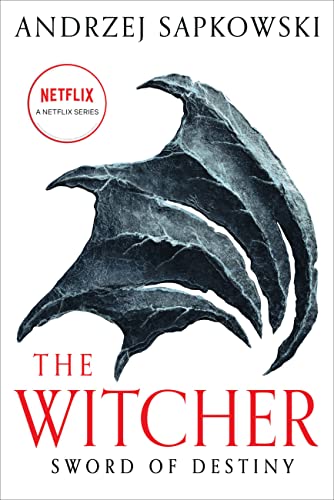
No. 64 on this list. Sword of Destiny
Andrzej Sapkowski · 2015
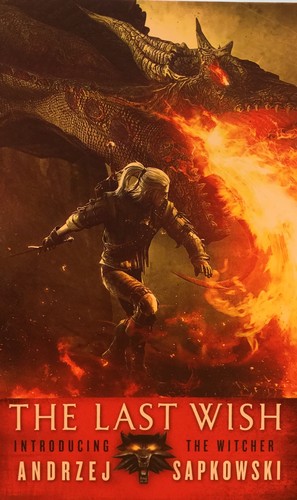
No. 65 on this list. The Last Wish
Andrzej Sapkowski · 1993
No. 66 on this list. Above Us the Sea
Ania Card · 2024

About this list
These 66 books are the highest-scoring eligible books from Poland currently in the catalogue. About 615 hours of reading in all. Difficulty runs from 56 to 75 out of 100 for the middle half of the list; the summit is Insatiability at 82.
This is a computed ranking ordered by literary regard, with a consistent order for equal scores. Membership follows authors and co-authors, not translators or editors. The list keeps to literature: fiction, poetry, drama and philosophy, its novels, poems and plays first and its philosophy after them, and no more than three works by one author. Catalogue coverage and the historical canon both limit what this list can represent.
When we matched the Canons dataset to our catalogue in October 2026, our canonical-status scores rose with the number of school curricula, publisher series and lists in it that cite a work: the median score was 72 for books one such source cites, 84 at two, 88 at three, 92 at four and 93 at five or more. Prizes are left out of that count. Outside the state curricula, the dataset’s sources choose mostly from what has been translated into English or French, so it is a weaker check on other literatures. Source: Canons (Andrew Piper), CC BY 4.0
Questions people actually ask
- What are the best books from Poland?
- By literary regard, which weighs canonical status, critical standing and influence: Heart of Darkness by Joseph Conrad, Selected Poems of Czesław Miłosz by Czesław Miłosz, Pan Tadeusz by Adam Mickiewicz, The Street of Crocodiles by Bruno Schulz and Lord Jim by Joseph Conrad. ReadingRate ranks 66 such books, each with a difficulty score and a reading-time estimate.
- Which books from Poland should I read first?
- Start from difficulty, not from rank. The most approachable books on this list that still carry top literary regard are Selected Poems of Czesław Miłosz by Czesław Miłosz (about 1.9 hours), Selected Poems of Zbigniew Herbert by Zbigniew Herbert and Map: Collected and Last Poems by Wisława Szymborska.
- What are the shortest of the best books from Poland?
- Among the top 25, the shortest are Laments by Jan Kochanowski (about 21 min), A Treatise on Poetry by Czesław Miłosz (about 1.1 hours) and Report from the Besieged City by Zbigniew Herbert (about 1 hours), at an average pace of 250 words a minute adjusted for each book's difficulty.
- Which of the best books from Poland are the established classics?
- By canonical status, how firmly a book sits in curricula, anthologies and the canon: Heart of Darkness by Joseph Conrad, Pan Tadeusz by Adam Mickiewicz, Selected Poems of Czesław Miłosz by Czesław Miłosz, Forefathers' Eve by Adam Mickiewicz and The Doll by Bolesław Prus.
- Can I read any of these books from Poland for free?
- 6 of the 66 open in ReadingRate's reader with a free account, from public-domain editions: Heart of Darkness, Lord Jim, The Knights of the Cross, The Deluge, The Promised Land and 1 more.
- How long would it take to read the top ten?
- About 71 hours, at an average pace of 250 words a minute adjusted for each book's difficulty: 36 days at two hours a day. Set your own pace on the page and the list's reading times change to it.
- How hard are books from Poland to read?
- Most of this list sits between 56 and 75 on ReadingRate's 100-point difficulty scale, where 40 to 55 is moderate. The summit is Insatiability at 82. Every entry carries its own score, so a reader can pick a great book at a difficulty they will finish.
- Why is Joseph Conrad on a list of Polish books?
- Because he was Polish. Józef Teodor Konrad Korzeniowski was born to Polish parents in what was then the Russian Empire, and did not learn English fluently until his twenties. He wrote in English and is usually shelved as a British novelist, so his appearance at the top of this list is a real judgment call rather than an error — worth knowing about before you read it as a claim.
- Is Stanisław Lem worth reading?
- Solaris and The Cyberiad hold strong literary regard, which is rare for science fiction and reflects how seriously Lem is taken outside the genre. The difficulty scores vary widely across his work — The Cyberiad's wordplay is far more demanding in translation than Solaris.
- How is this list ranked?
- On literary-regard data: how canonically established a work is, its critical standing, and its influence on later writing. It is not a readers’ poll, which is why recent bestsellers rarely appear. Membership follows authors and co-authors, not translators or editors. Lists by country, author, period, theme or difficulty keep to literature (fiction, poetry, drama and philosophy), their novels, poems and plays first and their philosophy after them; a list of a kind of book, such as memoir or criticism, keeps every book of that kind. Every list holds at most three works by one author.