Hours at an average pace
Showing 100 books
About 729 hours for 99 of 100 books with measured lengths. Estimates use 250 words a minute, adjusted for each book's difficulty. At 2 hours a day, about 365 days for those books.
No. 1 on this list. Ulysses
James Joyce · 1922
Very Difficult47 hours
Included in: Bokklubben World Library
Ulysses appears on 1,017 university syllabi (75th percentile, Open Syllabus Project) and features on the Modern Library's #1 Best Novels list, Le Monde's 100 Books of the Century, TIME's All-TIME 100 Novels, and the BBC Big Read. Wikipedia covers it in 36 languages. Published in Everyman's Library and Penguin Classics, it has maintained continuous academic circulation since its 1934 US publication.
Yeats is on virtually every Anglophone university literature syllabus. 'The Second Coming,' 'Easter 1916,' 'Sailing to Byzantium,' and 'The Lake Isle of Innisfree' are among the most widely anthologized and taught poems in the English language. The Collected Poems is treated as an essential text in Irish, British, and American literary curricula alike, with sustained presence in over a century of anthologies.
No. 3 on this list. Waiting for Godot
Samuel Beckett · 1953
Difficult2.4 hours
Included in: Great Books of the Western World
Waiting for Godot appears on virtually every comparative literature, modern drama, and theater studies syllabus worldwide, and is listed in Open Syllabus's Top 500 Literature titles. The Wikipedia article exists in 68 languages, and the play has been continuously performed since its 1953 Paris premiere. Le Monde named it among the 100 Books of the Century. It is as canonical as any play written after Shakespeare.
Finnegans Wake appears on 108 university syllabi (Open Syllabus, 50th percentile) and holds a Wikipedia article in 39 languages. It is listed on the Modern Library 100 Best Novels and published by NYRB Classics. Syllabus presence is lower than Ulysses because the book is taught almost exclusively in graduate Joyce seminars and advanced modernism courses — its difficulty makes undergraduate adoption rare.
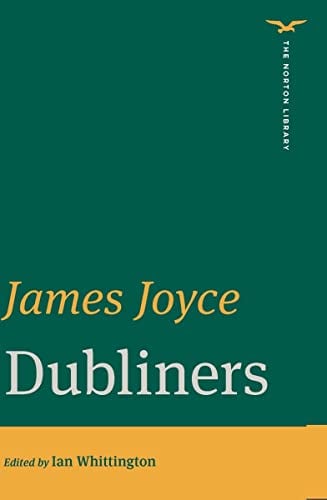
No. 5 on this list. Dubliners
James Joyce · 1914
Difficult8.1 hours
Taught in schools: CSEC English B – Caribbean Examinations Council
Dubliners appears on 1,771 university syllabi according to the Open Syllabus Project (81st percentile), making it a fixture in modernist literature and short fiction courses worldwide. Its Wikipedia article spans 43 languages, and prestige editions from Penguin Classics and NYRB Classics attest to its sustained standing as essential reading. Every serious curriculum in Irish, British, or modernist literature includes it.
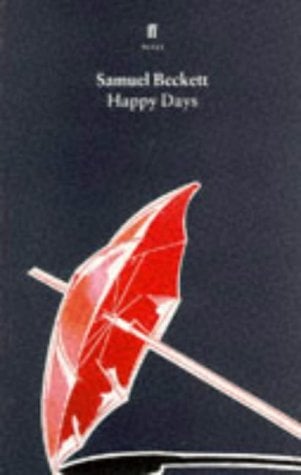
Happy Days anchors modernist and postmodern drama syllabi internationally alongside Waiting for Godot and Endgame. It is taught in theatre, English literature, and philosophy programs across Europe and North America. Wikipedia covers it in over 40 languages. It is among the most-assigned Beckett plays and appears on virtually every postwar drama reading list.
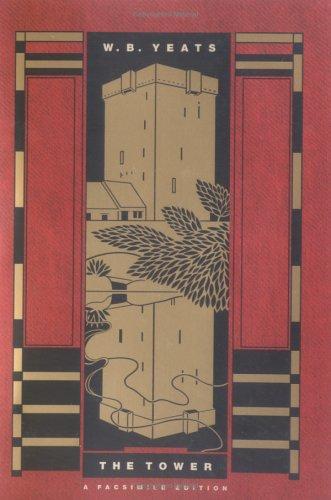
Yeats wrote the poems in this collection in his sixties, and the proximity of death stripped his verse of Celtic twilight and replaced it with granite: "Sailing to Byzantium," "Leda and the Swan," and "Among School Children" are here, each one forging private obsession into formal perfection. The volume represents the rare case of a major poet reaching his peak decades after his reputation was already secured.
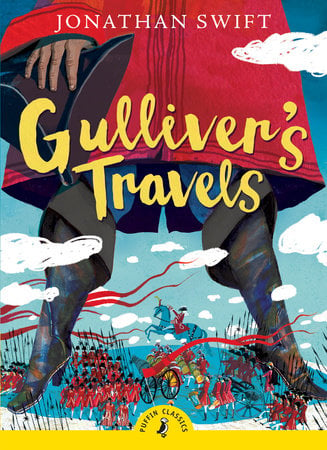
No. 8 on this list. Gulliver's Travels
Jonathan Swift · 1726
Challenging10 hours
Taught in schools: CSEC English B – Caribbean Examinations Council, Hungarian literature curriculum (magyar nyelv és irodalom) (Hungary)
Included in: Bokklubben World Library, Great Books of the Western World
Swift shrinks his protagonist to six inches in Lilliput, inflates him to a giant in Brobdingnag, then deposits him among rational horses who regard humans as vermin. No other satire in English has so thoroughly weaponized scale and perspective to indict politics, science, and the species itself.
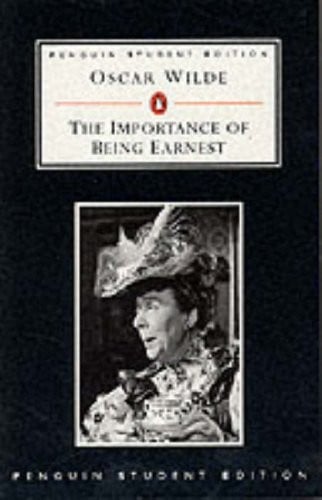
No. 9 on this list. The Importance of Being Earnest
Oscar Wilde · 1893
Moderate1.9 hours
Taught in schools: AQA GCSE and A-level English Literature (UK), Common Core text exemplars (Appendix B) (US), CSEC English B – Caribbean Examinations Council
Ranked by literary regard among eligible works in the current catalogue. This position reflects the available catalogue evidence.
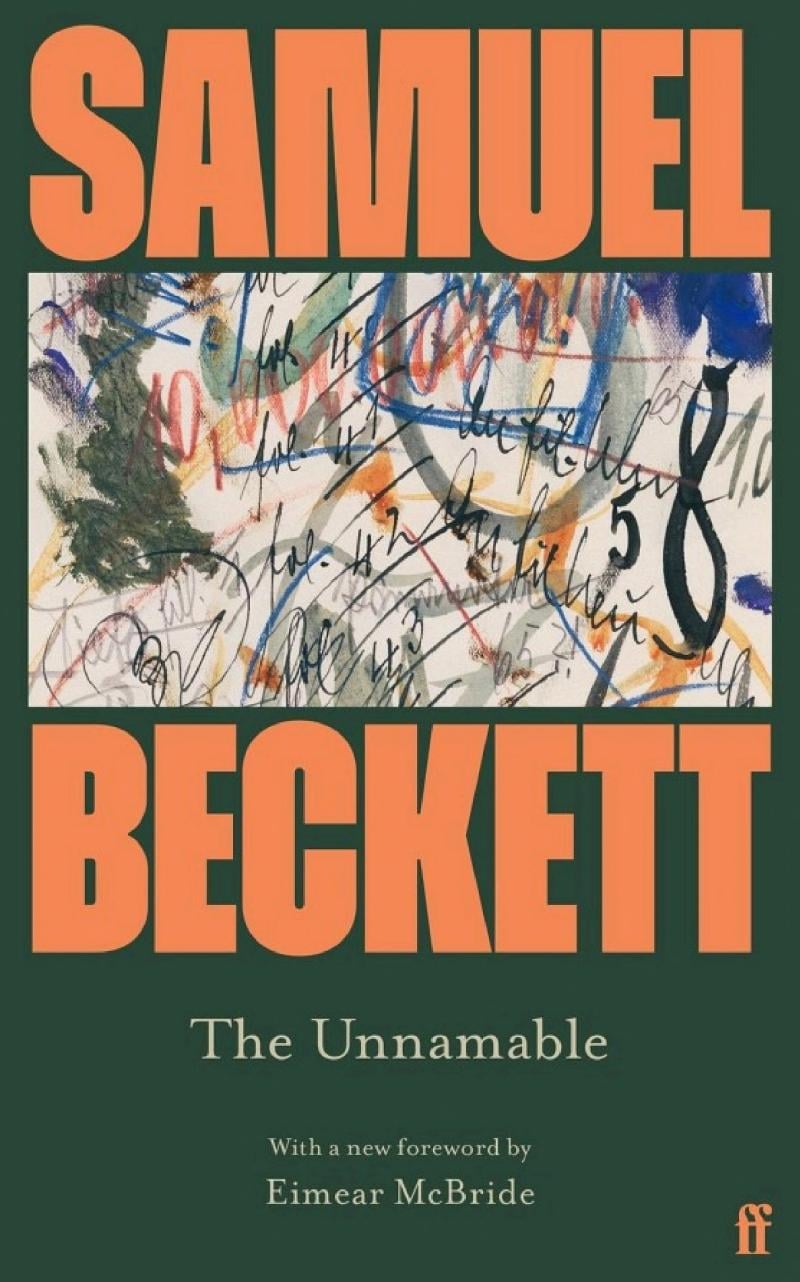
No. 10 on this list. The Unnamable
Samuel Beckett · 1953
Difficult27 hours
Included in: Bokklubben World Library
The Unnamable is taught in advanced modernism, postmodernism, and philosophy-of-language courses at universities worldwide, though less universally than Waiting for Godot. It anchors the Beckett Trilogy, which is among the canonical texts of twentieth-century literature in English and French. The Wikipedia and syllabus data signals appear underreported for this work.
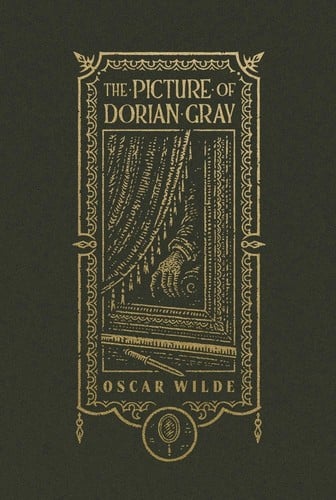
No. 11 on this list. The Picture of Dorian Gray · Oscar Wilde
Taught in schools: AQA GCSE and A-level English Literature (UK), Pearson Edexcel GCSE and A-level English Literature (UK)
Included in: Oxford World's Classics
The Picture of Dorian Gray is standard reading in Victorian literature and aesthetic movement curricula worldwide. Though the database shows only 16 syllabus appearances due to limited data collection, the novel appears on virtually every canonical survey of English literature and has been in continuous print since 1890. It anchors discussions of aestheticism, decadence, and Victorian moral philosophy in university courses across the globe.
Challenging8 hours
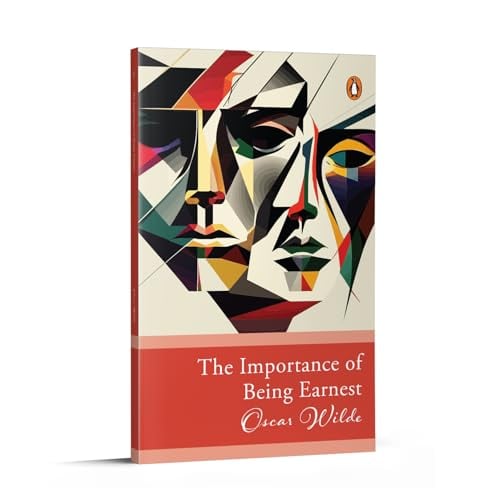
Start this bookNo. 12 on this list. The Importance of Being Earnest and Other Plays · Oscar Wilde · 1898
No syllabus or Wikipedia-language data turned up in this database pass, but The Importance of Being Earnest is a fixture of English-language secondary and university curricula worldwide and one of the most frequently produced plays in the English repertoire, with multiple film adaptations (1952, 1992, 2002) keeping it in general circulation. That level of sustained institutional presence puts it near To Kill a Mockingbird's curriculum-fixture status, even without syllabus counts to confirm it directly.
Moderate6.9 hours
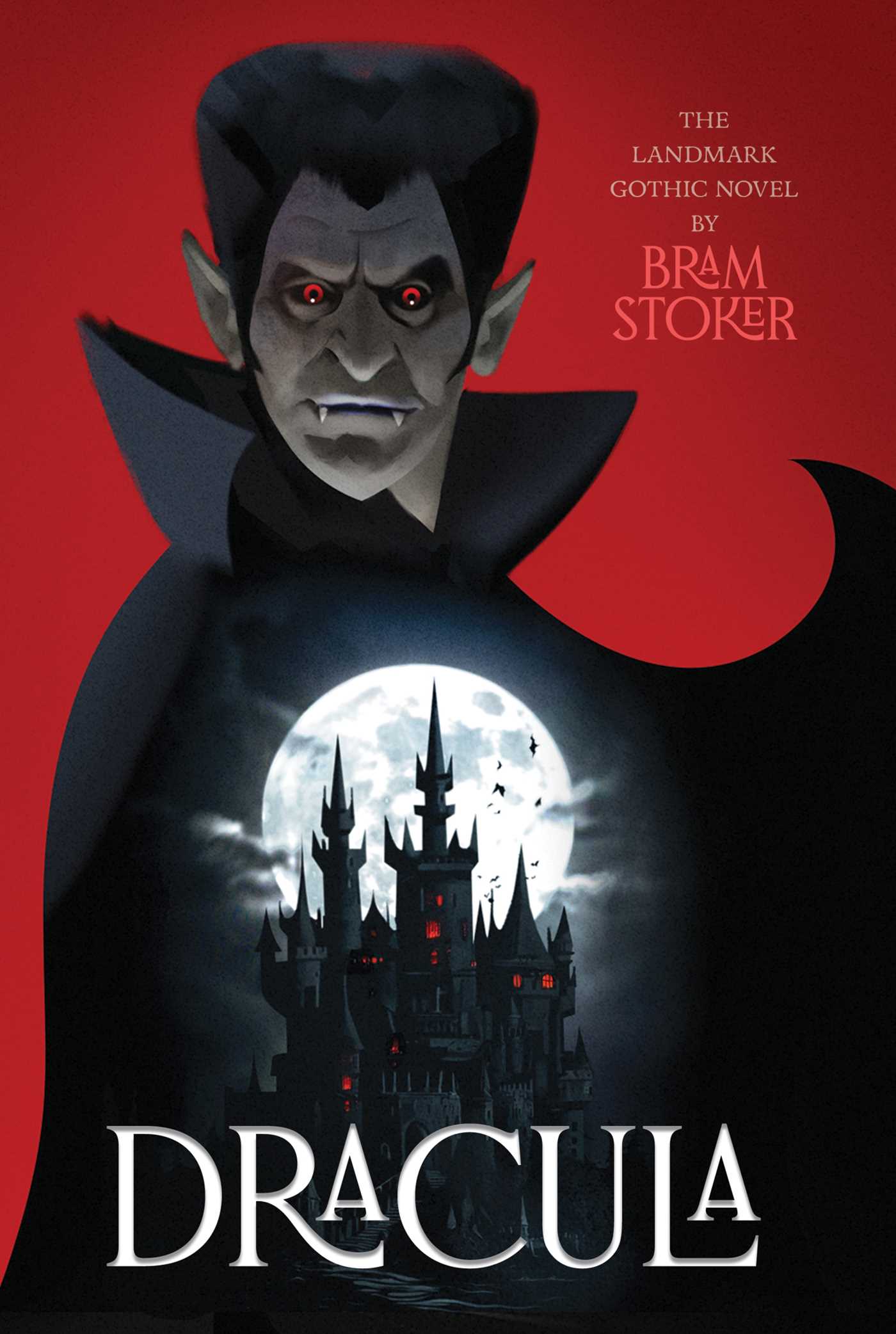
Start this bookNo. 13 on this list. Dracula · Bram Stoker · 1897
Taught in schools: CSEC English B – Caribbean Examinations Council, Leaving Certificate English – NCCA / State Examinations Commission (Ireland), OCR GCSE and A-level English Literature (UK)
Included in: Bibliothèque de la Pléiade
Among the most famous novels ever written. Created the modern vampire and generated endless adaptation.
Moderate11 hours
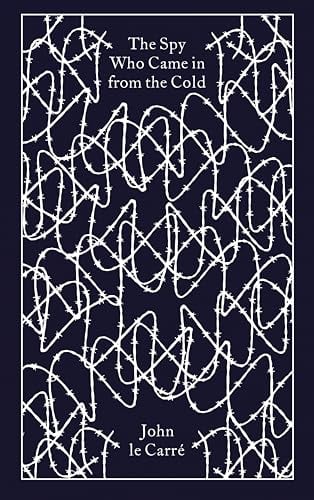
Read nowNo. 14 on this list. The Spy Who Came in from the Cold · John le Carré · 1963
The Spy Who Came in from the Cold is the classic Cold War espionage novel, chosen for TIME's All-TIME 100 Novels list and set in courses on the spy novel and postwar British fiction. It is a fixture of best-crime and best-thriller lists.
Challenging5.6 hours
Start this bookNo. 15 on this list. Death of a Naturalist · Seamus Heaney · 1966
Appears on 106 university syllabi (50th percentile in Open Syllabus), indicating solid but not ubiquitous academic adoption. The Wikipedia article on the collection includes a dedicated reception section. As a debut collection, it is often taught in conjunction with Heaney's broader career rather than in isolation.
Moderate22 min
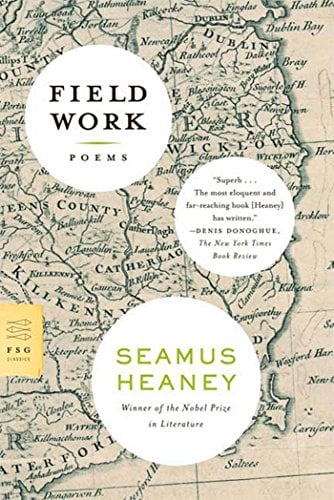
Start this bookNo. 16 on this list. Field Work · Seamus Heaney · 1979
Taught in schools: WJEC/Eduqas GCSE and A-level English Literature (UK)
Field Work collects poems of witness and memory, written as Seamus Heaney departed Belfast in the aftermath of Bloody Sunday and the deepening sectarian violence of the 1970s. The collection balances personal intimacy—love sonnets, marital devotion, erotic encounters—with public witness to the Irish political catastrophe. Heaney's language mines the geological and agricultural substrata of his native landscape, excavating historical trauma and linguistic inheritance alongside sensory particularity. The Glanmore Sonnets sequence establishes a hedge school of poetic craft, where archival recovery meets immediate experience. Elegies for murdered relatives and Irish poets transform local violence into formal meditation. The title itself suggests fieldwork as both scholarly research and embodied labor, the poet crouched in documentation of grief and desire. Notably, Heaney engages Dante's Inferno to frame contemporary sectarian killing within epic moral architecture, a move that establishes poetry's capacity to contain historical atrocity within aesthetic shape. The collection demonstrates mastery of traditional forms while maintaining accessibility, its verbal music derived from close observation rather than ornamental virtuosity. Throughout, Heaney positions the poet as cultural custodian, extracting meaning from ordinary materials—harvest bows, water buckets, badger-haunted gardens—to vindicate endangered ways of speaking and knowing.
Moderate30 min
Start this bookNo. 17 on this list. Seeing Things · Seamus Heaney · 1991
One of the most admired collections by a Nobel laureate poet. Considered a turning point in Heaney's career and among his finest work.
Moderate57 min
Start this bookNo. 18 on this list. The Winding Stair · William Butler Yeats · 1933
Published in 1933, this collection represents Yeats at the height of his late powers, confronting old age, political disillusionment, and metaphysical yearning through symbols drawn from his occult system A Vision. The tower at Thoor Ballylee becomes a central image: in 'Blood and the Moon' it rises as both Anglo-Irish monument and emblem of consciousness ascending through gyres of history. 'A Dialogue of Self and Soul' stages an internal debate between transcendent renunciation and acceptance of embodied life, concluding with a forceful affirmation of existence that forgives even suffering. The paired Byzantium poems ('Sailing to Byzantium' appears in the earlier Tower volume, but 'Byzantium' here extends the meditation) envision sacred art as escape from biological decay into eternal form. 'Coole Park and Ballylee, 1931' elegizes Lady Gregory's estate and the cultural moment it represented, now dissolving in Ireland's post-revolutionary violence. 'Vacillation' sustains eight sections of philosophical oscillation between worldly and spiritual commitments without final resolution. Throughout, Yeats employs demanding stanzaic forms—ottava rima, terza rima—whose formal strictness contains explosive metaphysical content, creating poetry that is simultaneously architectural and visionary.
Difficult53 min
Start this bookNo. 19 on this list. Saint Joan · George Bernard Shaw · 1923
Included in: Great Books of the Western World
In 1429, Joan, an illiterate seventeen-year-old peasant girl from Domrémy, arrives at the castle of Vaucouleurs claiming that saints' voices command her to crown the Dauphin and drive the English from France. Through sheer conviction, she persuades the skeptical Captain Robert de Baudricourt to send her to Chinon, where she astounds the French court. The weak Dauphin Charles, his cynical Archbishop, and the capable soldier Dunois all find themselves swept along by her extraordinary certainty. Joan leads French forces to lift the siege of Orleans and sees Charles crowned at Rheims, but her military boldness and claim to direct divine guidance threaten both Church hierarchy and feudal nobility. The English Earl of Warwick and the French Bishop Cauchon, neither villains nor fools, recognize that Joan's proto-Protestant insistence on individual conscience and her proto-nationalist loyalty to France above feudal allegiances endanger their entire world order. At her trial for heresy, Joan faces judges who believe sincerely that they serve God by destroying her. She recants briefly under threat of burning, then reclaims her voices and goes to the stake. Twenty-five years later, in Charles's dream, the rehabilitated and eventually canonized Joan asks when the world will be ready to receive its saints—and receives only silence.
Moderate4 hours
Read nowNo. 20 on this list. At Swim-Two-Birds · Flann O'Brien · 1939
Appears on 93 university syllabi (49th percentile in Open Syllabus), placing it in the mid-range of taught texts — well behind Joyce or Beckett but firmly established in Irish literature and postmodern fiction courses. Listed on TIME's All-TIME 100 Novels and published by NYRB Classics. Wikipedia coverage in only 5 languages suggests limited reach outside English-speaking literary circles.
Challenging6.1 hours
Start this book
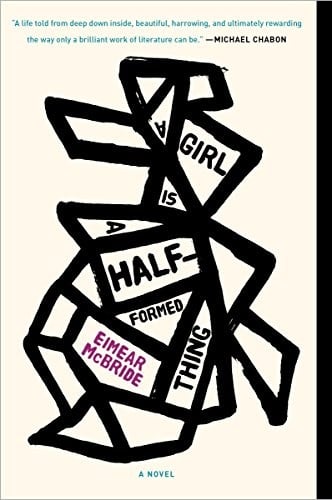
No. 21 on this list. A Girl Is a Half-Formed Thing · Eimear McBride · 2014
Eimear McBride's novel tells the story of a young woman's relationship with her brother who is living with the after effects of a brain tunour. Not so much a stream of consciousness, as an unconscious railing against a life that makes little sense, and a shocking and intimate insight into the thoughts, feelings and sensual urges of a vulnerable and isolated protagonist, to read A Girl is a Half-Formed Thing is to plunge inside its narrator's head, experiencing her world first-hand. This isn't always comfortable - but it is always a revelation. Eimear McBride's debut tells, with astonishing insight and in brutal detail, the story of a young woman's relationship with her brother, and the long shadow cast by his childhood brain tumour. Not so much a stream of consciousness, as an unconscious railing against a life that makes little sense, and a shocking and intimate insight into the thoughts, feelings and chaotic sexuality of a vulnerable and isolated protagonist, to read A Girl Is A Half-Formed Thing is to plunge inside its narrator's head, experiencing her world first-hand. This isn't always comfortable - but it is always a revelation. Touching on everything from family violence to sexuality and the personal struggle to remain intact in times of intense trauma, McBride writes with singular intensity, acute sensitivity and mordant wit. A Girl is a Half-formed Thing is moving, funny - and alarming. It is a book you will never forget. The story is about a young woman's relationship with her older brother, who suffers a brain tumour in childhood that later returns when he is a young man. It spans roughly 20 years and is set largely in an isolated farming community in the west of Ireland at a time when the Catholic Church dominated every facet of a person's life. The first thing that strikes you about the novel is the prose style, which ignores all the usual conventions about use of the English language and quite brilliantly furrows its own unique groove. While it sputters along in fits and starts using half-formed sentences, incorrect grammar and isolated words, there are enough bursts of fluid and lucid writing to orientate the reader.
Challenging5.6 hours
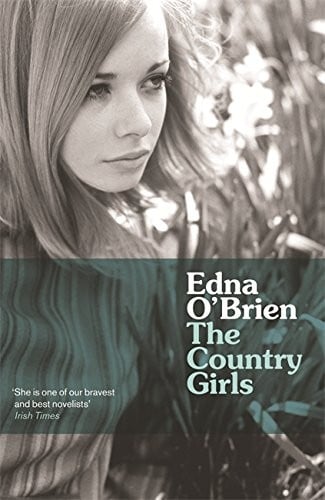
Start this bookNo. 22 on this list. The Country Girls · Edna O'Brien · 1960
A landmark of Irish literature and a foundational text for the frank depiction of women's experience. Widely taught and discussed.
Difficult5.9 hours
Start this bookNo. 23 on this list. Man and Superman · George Bernard Shaw · 1903
Man and Superman appears on 86 university syllabi (48th percentile by Open Syllabus data) and holds Wikipedia articles in 9 languages. It is taught in drama and modern literature courses but sits behind Pygmalion and Major Barbara in Shaw's own canon. The Wikipedia article includes dedicated Reception and Adaptations sections, indicating sustained critical discourse.
Challenging6.5 hours
Read nowNo. 24 on this list. A Tale of a Tub · Jonathan Swift · 1704
A Tale of a Tub (1704) is a standard text in university courses on Augustan satire and eighteenth-century literature, usually read with The Battle of the Books, and its Digression on Madness is widely anthologised. Outside the classroom it is far less read than Gulliver's Travels or A Modest Proposal.
Difficult5.9 hours
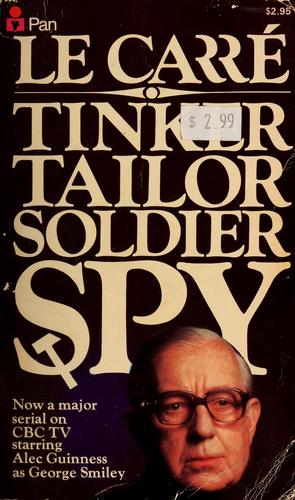
Start this bookNo. 25 on this list. Tinker Tailor Soldier Spy · John le Carré · 1974
Widely taught in courses on Cold War literature and genre fiction, and routinely cited as the novel that elevated the spy thriller into literary fiction. It appears on TIME's 100 Best English-Language Novels (1923–2005) list, though its academic footprint remains smaller than a canonical literary novel like Beloved or Gatsby.
Moderate6.8 hours
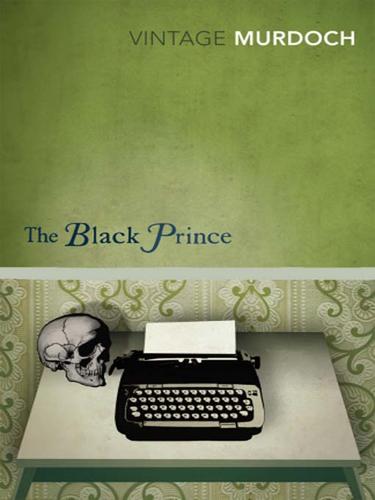
Start this bookNo. 26 on this list. The Black Prince · Iris Murdoch · 1973
The Black Prince ranks among Murdoch's most celebrated novels and occupies an established position in postwar British fiction. It receives consistent inclusion in academic curricula and authoritative literary histories, though not at the absolute summit of canonical achievement.
Challenging9.7 hours
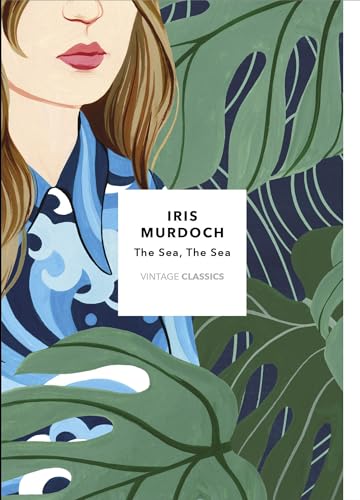
Start this bookNo. 27 on this list. The Sea, The Sea · Iris Murdoch · 1978
Winner of the Booker Prize in 1978 and widely regarded as one of Iris Murdoch's finest novels. Wikipedia articles exist in 9 languages. While not as universally assigned as postwar American canon fixtures, it appears regularly in British literature and philosophy-and-fiction courses.
Difficult29 hours
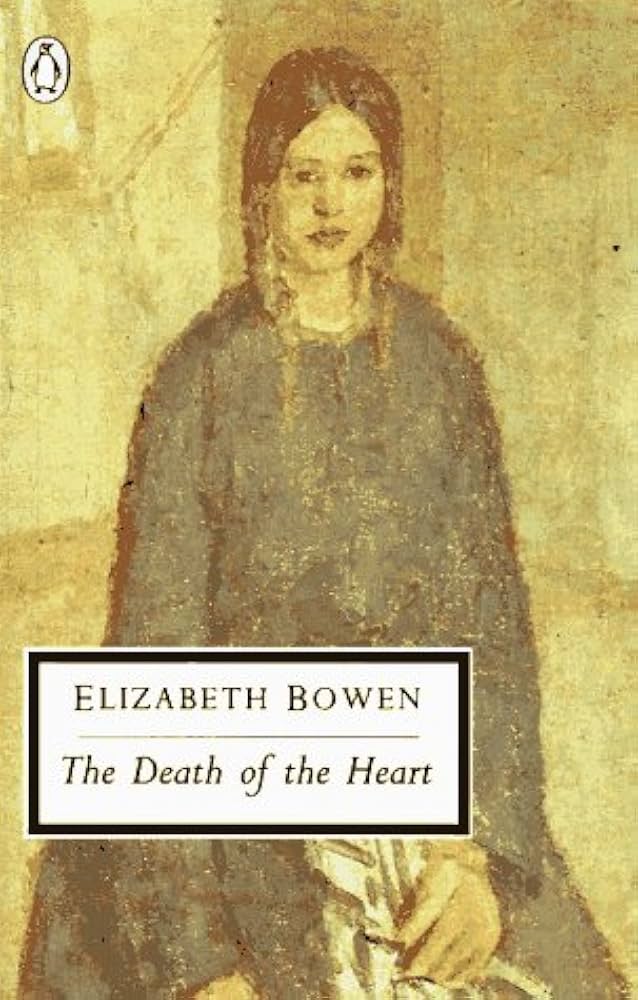
Start this bookNo. 28 on this list. The Death of the Heart · Elizabeth Bowen · 1938
Ranked 84th on the Modern Library 100 Best Novels and included on TIME's All-TIME 100 Novels, with Wikipedia articles in 7 languages. It is the Bowen novel most often taught in courses on British and Irish fiction between the wars.
Difficult13 hours
Start this bookNo. 29 on this list. Carmilla · Sheridan Le Fanu · 1872
Carmilla is a fixture in Gothic literature and vampire fiction courses, recognized as the foundational pre-Dracula vampire text and a landmark of Victorian horror. Its Wikipedia article spans 40+ languages, and it appears regularly on 'essential horror' and 'Gothic fiction' reading lists. Less broadly canonical than Frankenstein or Dracula but firmly established within the Gothic literary tradition.
Challenging2.2 hours
Start this bookNo. 30 on this list. Under the Net · Iris Murdoch · 1954
Ranked 95th on the Modern Library 100 Best Novels, included on TIME's All-TIME 100 Novels, and taught on 141 university syllabi (54th percentile). It is the Murdoch novel most often assigned in courses on postwar British fiction.
Challenging7.8 hours
Start this book
No. 31 on this list. Pygmalion
George Bernard Shaw · 1913
Taught in schools: CSEC English B – Caribbean Examinations Council, Pacific Senior Secondary Certificate – English
No. 32 on this list. The Heat of the Day
Elizabeth Bowen · 1948
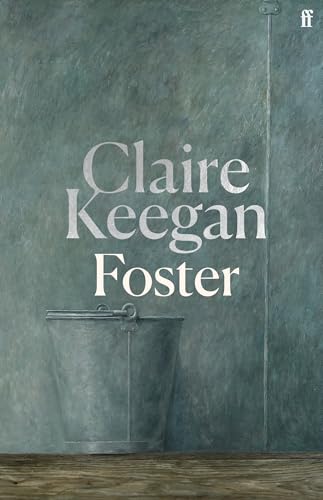
No. 33 on this list. Foster
Claire Keegan · 2010
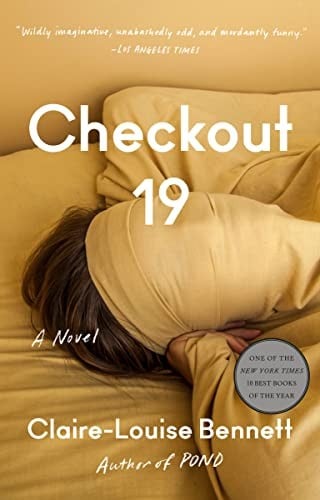
No. 34 on this list. Checkout 19
Claire-Louise Bennett · 2022
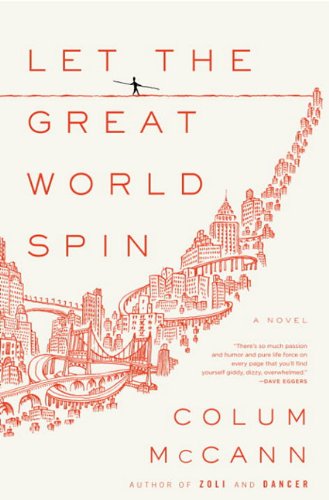
No. 35 on this list. Let the Great World Spin
Colum McCann · 2009
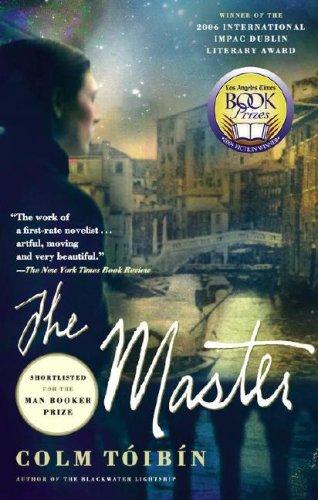
No. 36 on this list. The Master
Colm Tóibín · 2004
No. 37 on this list. Reading Turgenev
William Trevor · 1991
No. 38 on this list. Milkman
Anna Burns · 2018
No. 39 on this list. Fools of Fortune
William Trevor · 1983
No. 40 on this list. A Perfect Spy
John le Carré · 1986
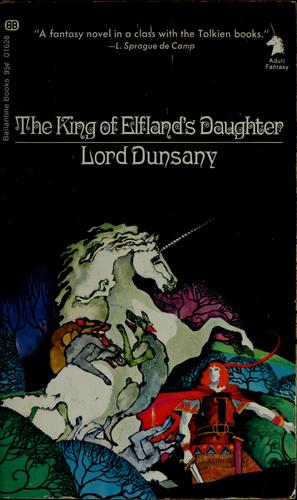
No. 41 on this list. The King of Elfland's Daughter
Lord Dunsany · 1924
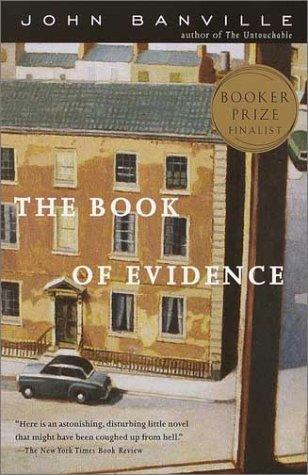
No. 42 on this list. The Book of Evidence
John Banville · 1989
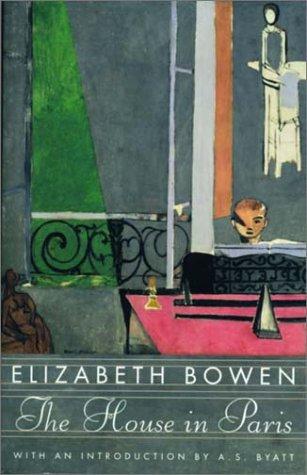
No. 43 on this list. The House in Paris
Elizabeth Bowen · 1935
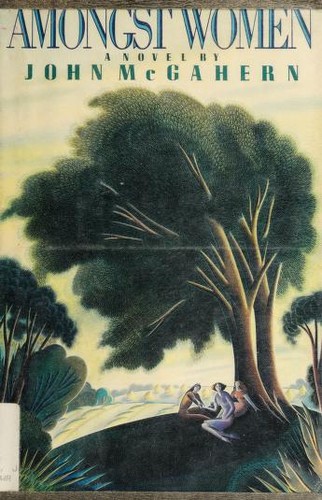
No. 44 on this list. Amongst Women
John McGahern · 1990
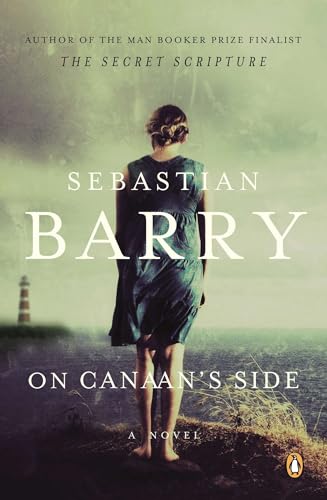
No. 45 on this list. On Canaan's Side
Sebastian Barry · 2011
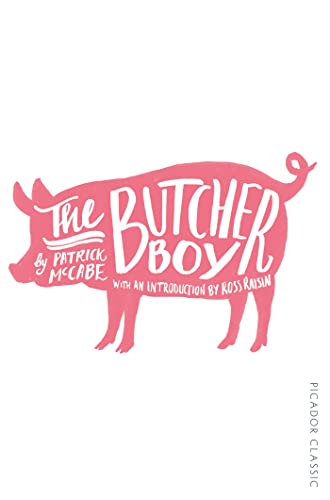
No. 46 on this list. The Butcher Boy
Patrick McCabe · 1992
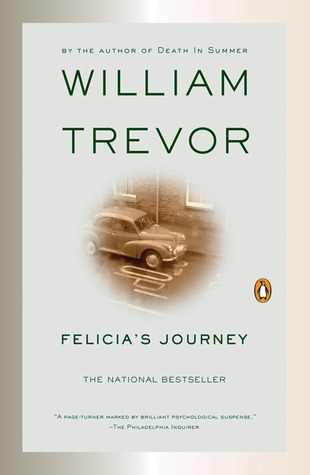
No. 47 on this list. Felicia's Journey
William Trevor · 1994
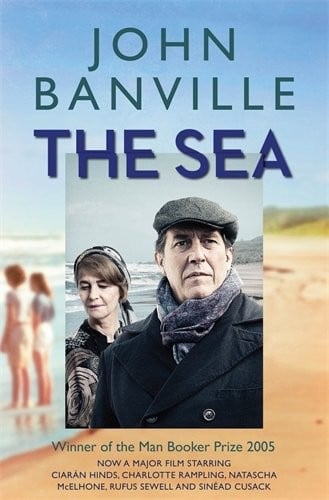
No. 48 on this list. The Sea
John Banville · 2005
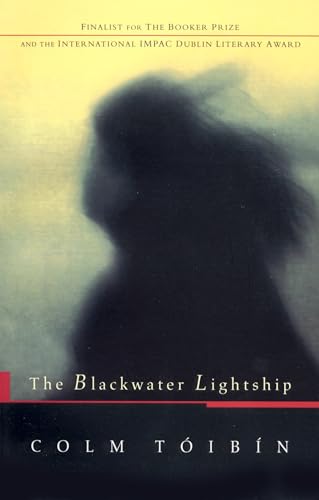
No. 49 on this list. The Blackwater Lightship
Colm Tóibín · 1999
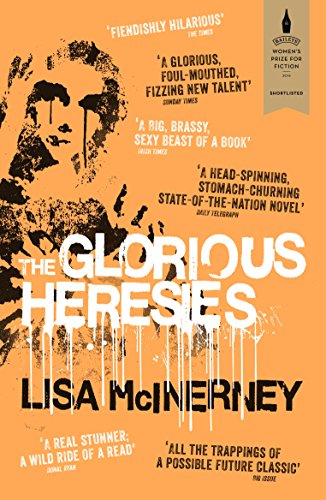
No. 50 on this list. The Glorious Heresies
Lisa McInerney · 2016
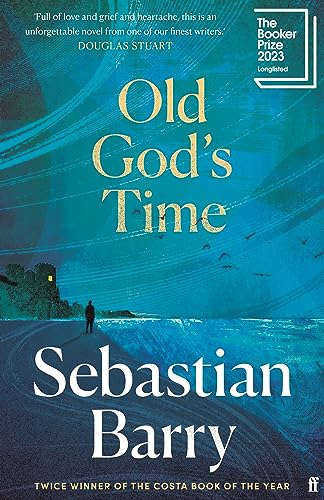
No. 51 on this list. Old God's Time
Sebastian Barry · 2023
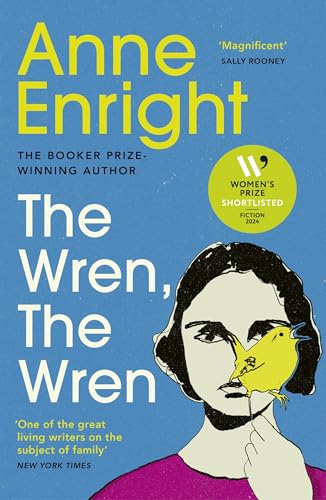
No. 52 on this list. The Wren, The Wren
Anne Enright · 2024
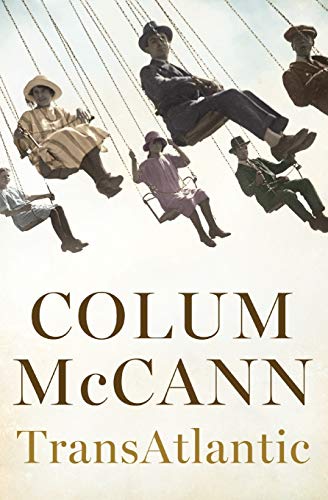
No. 53 on this list. TransAtlantic
Colum McCann · 2013
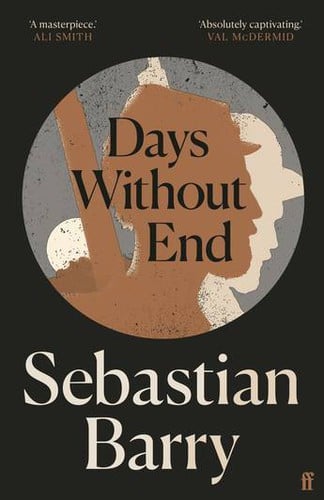
No. 54 on this list. Days Without End
Sebastian Barry · 2017
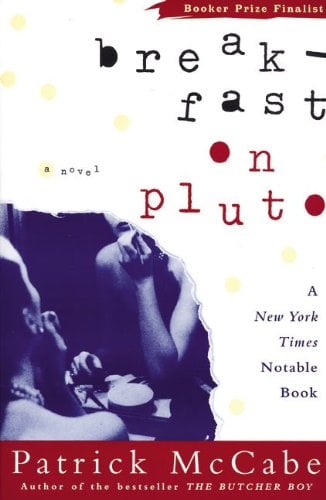
No. 55 on this list. Breakfast on Pluto
Patrick McCabe · 1998
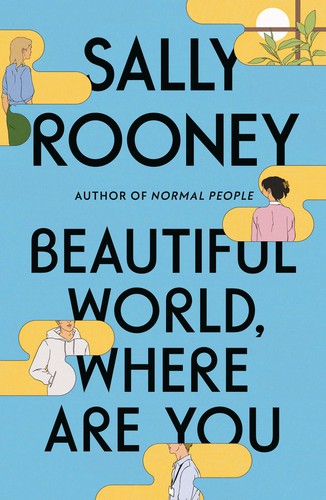
No. 56 on this list. Beautiful World, Where Are You
Sally Rooney · 2021
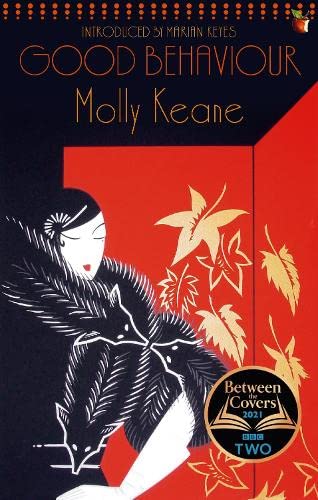
No. 57 on this list. Good Behaviour
Molly Keane · 1981
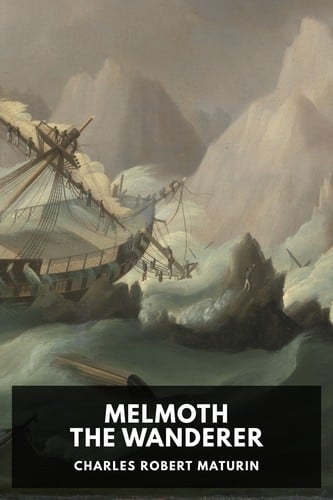
No. 58 on this list. Melmoth the Wanderer
Charles Maturin · 1820
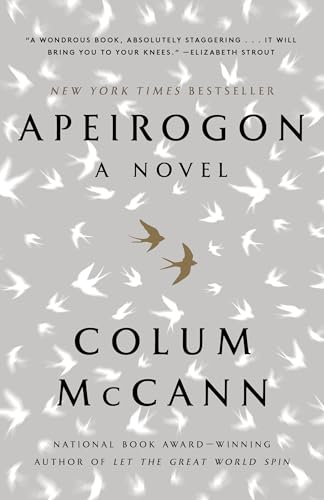
No. 59 on this list. Apeirogon
Colum McCann · 2020
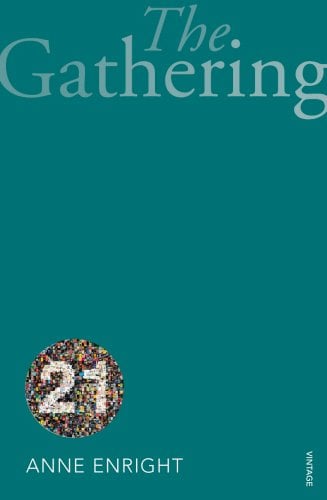
No. 60 on this list. The Gathering
Anne Enright · 2007
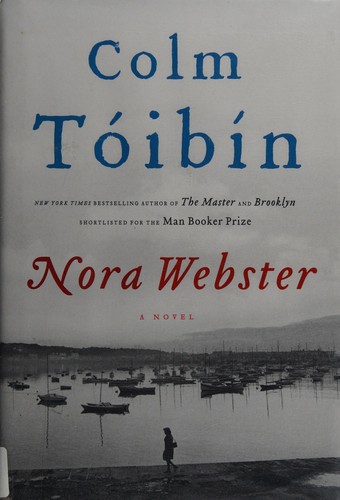
No. 61 on this list. Nora Webster
Colm Tóibín · 2014
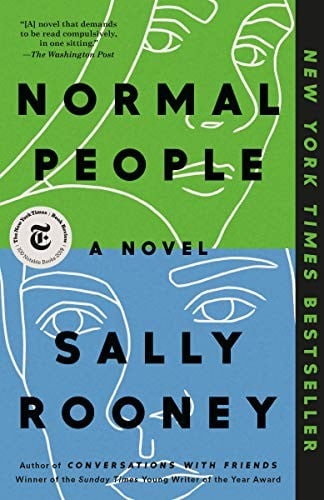
No. 62 on this list. Normal People
Sally Rooney · 2018
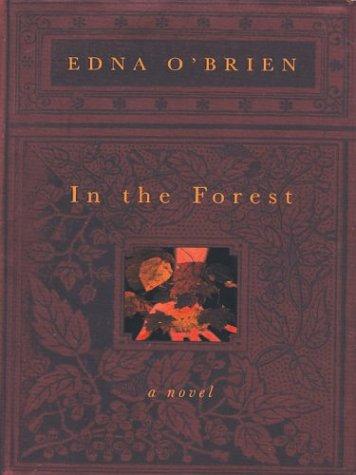
No. 63 on this list. In the Forest
Edna O'Brien · 2002
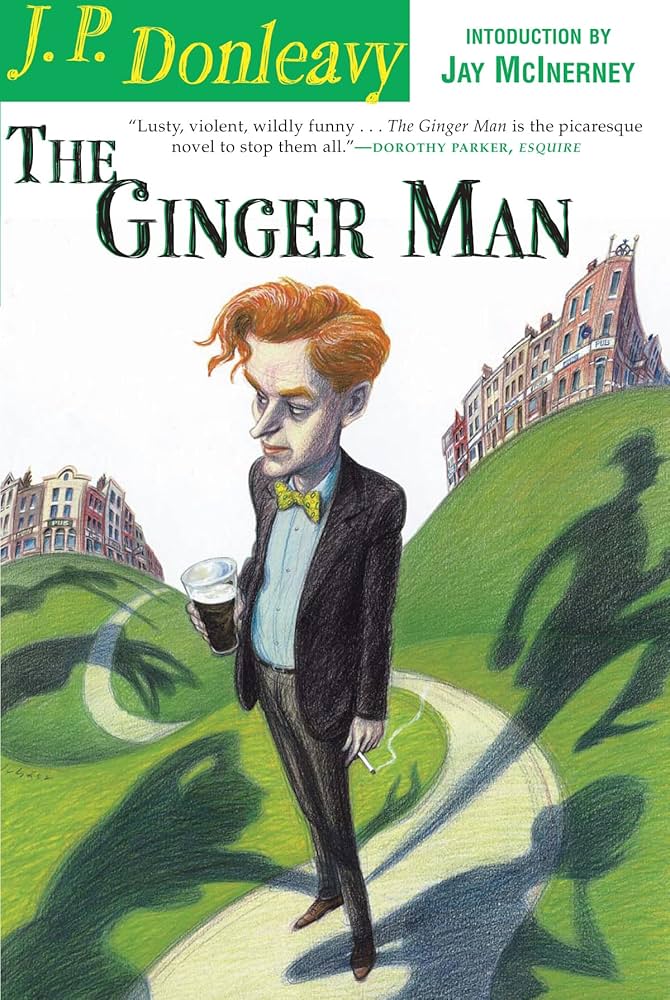
No. 64 on this list. The Ginger Man
J.P. Donleavy · 1955
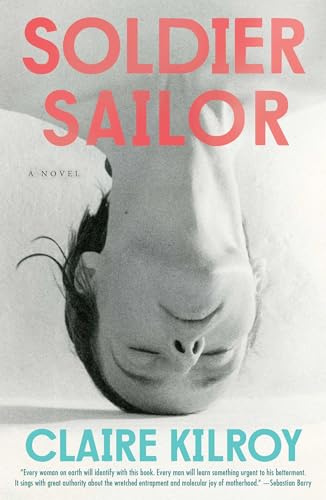
No. 65 on this list. Soldier Sailor
Claire Kilroy · 2024
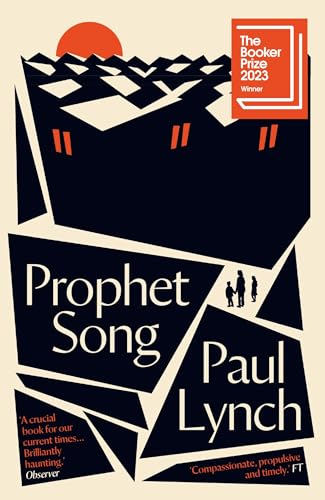
No. 66 on this list. Prophet Song
Paul Lynch · 2023
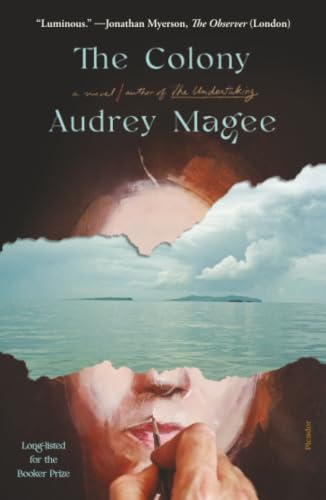
No. 67 on this list. The Colony
Audrey Magee · 2022
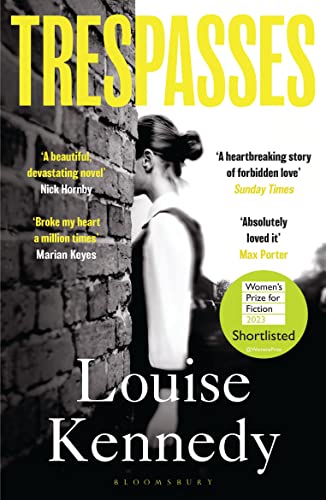
No. 68 on this list. Trespasses
Louise Kennedy · 2023
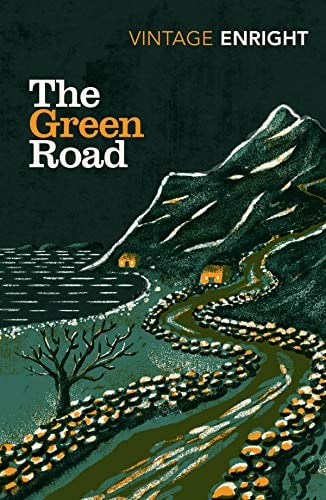
No. 69 on this list. The Green Road
Anne Enright · 2015
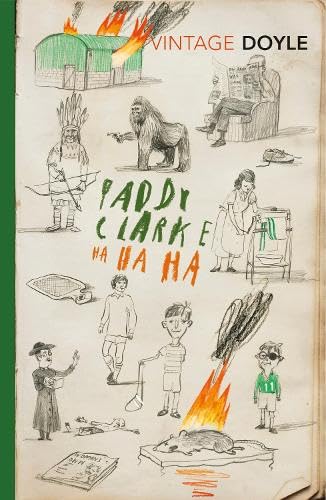
No. 70 on this list. Paddy Clarke Ha Ha Ha
Roddy Doyle · 1993
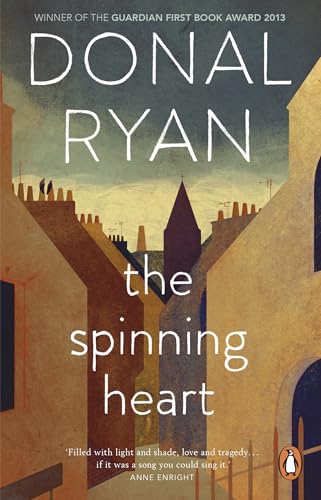
No. 71 on this list. The Spinning Heart
Donal Ryan · 2013
Taught in schools: Leaving Certificate English – NCCA / State Examinations Commission (Ireland)
No. 72 on this list. In the Woods
Tana French · 2007
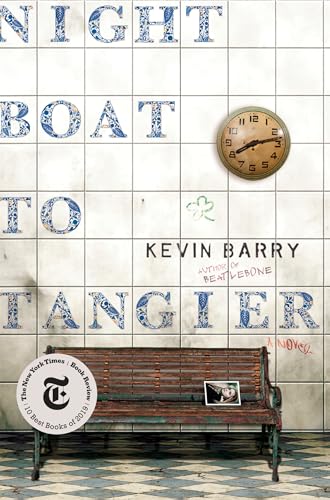
No. 73 on this list. Night Boat to Tangier
Kevin Barry · 2019
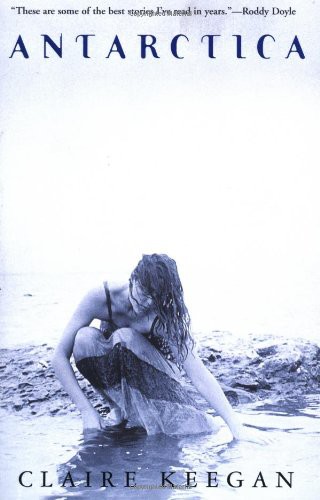
No. 74 on this list. Antarctica
Claire Keegan · 2002
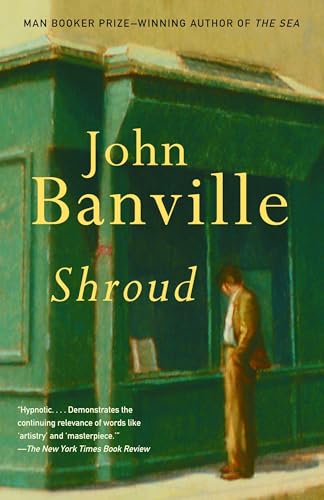
No. 75 on this list. Shroud
John Banville · 2002
No. 76 on this list. Netherland
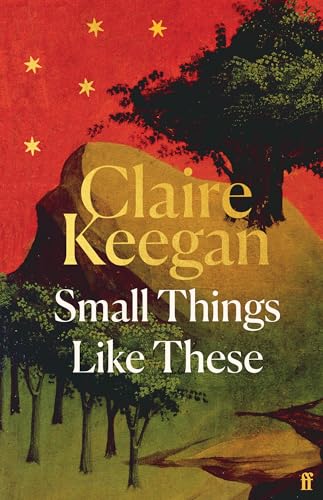
No. 77 on this list. Small Things Like These
Claire Keegan · 2022
Taught in schools: Leaving Certificate English – NCCA / State Examinations Commission (Ireland)
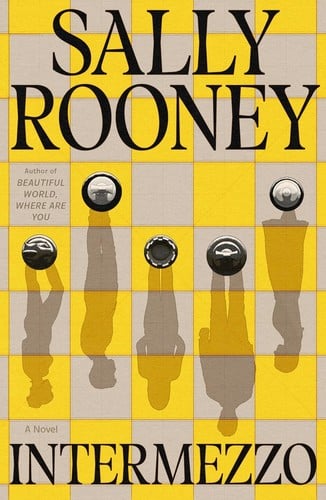
No. 78 on this list. Intermezzo
Sally Rooney · 2024
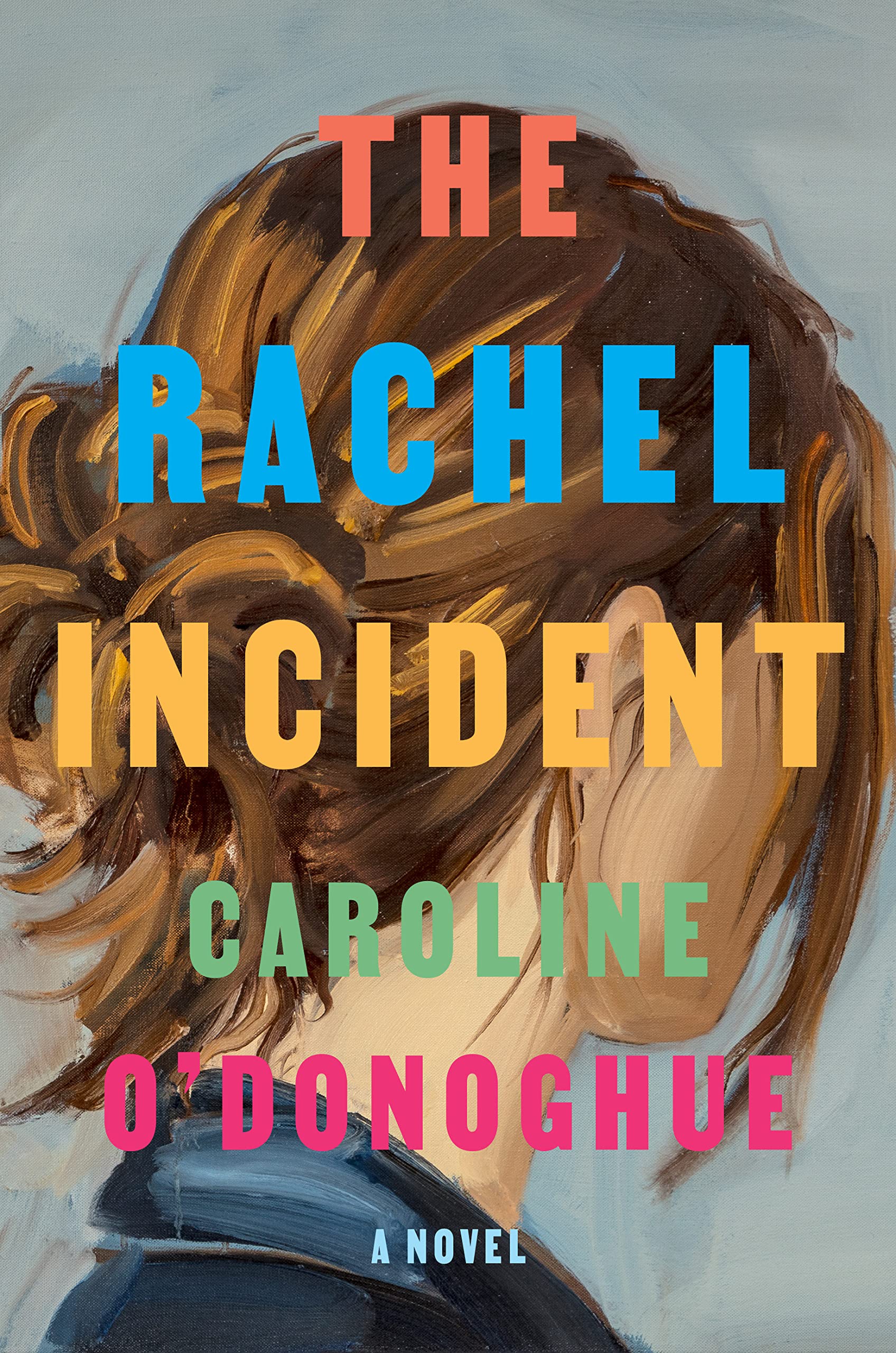
No. 79 on this list. The Rachel Incident
Caroline O'Donoghue · 2023
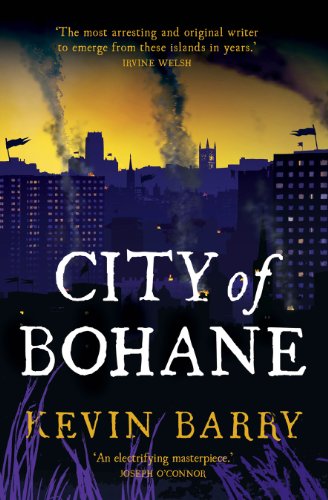
No. 80 on this list. City of Bohane
Kevin Barry · 2013
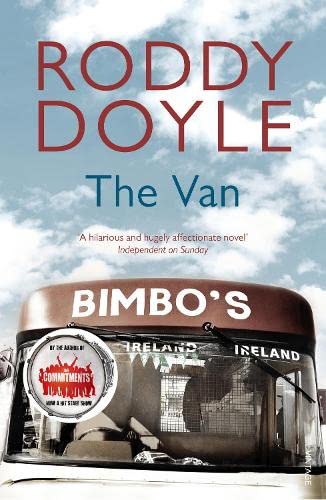
No. 81 on this list. The Van
Roddy Doyle · 1991
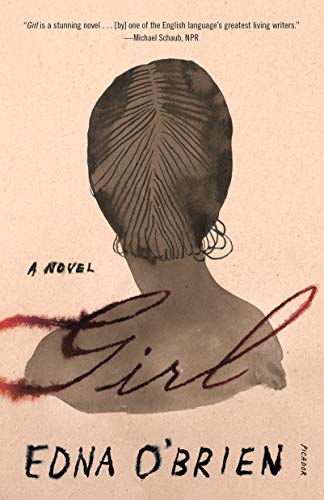
No. 82 on this list. Girl
Edna O'Brien · 2019
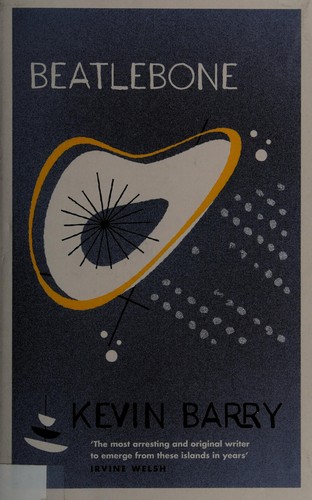
No. 83 on this list. Beatlebone
Kevin Barry · 2015
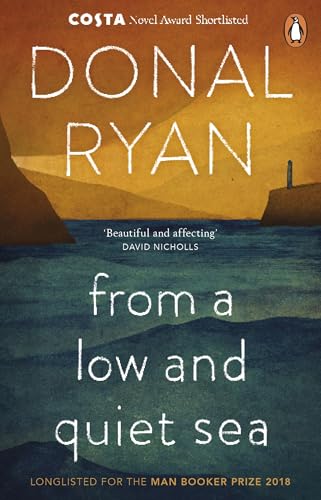
No. 84 on this list. From a Low and Quiet Sea
Donal Ryan · 2018
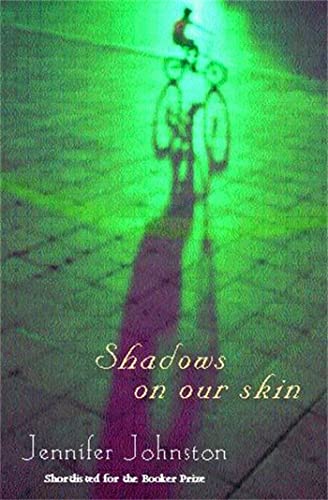
No. 85 on this list. Shadows on our Skin
Jennifer Johnston · 1977
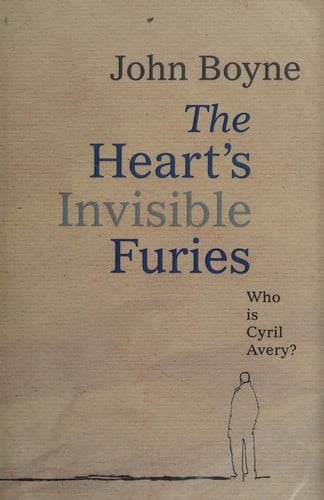
No. 86 on this list. The Heart's Invisible Furies
John Boyne · 2017
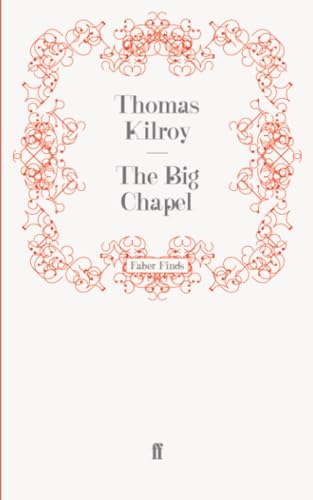
No. 87 on this list. The Big Chapel
Thomas Kilroy · 1971
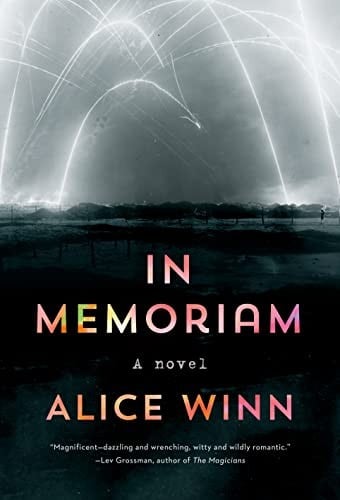
No. 88 on this list. In Memoriam
Alice Winn · 2023
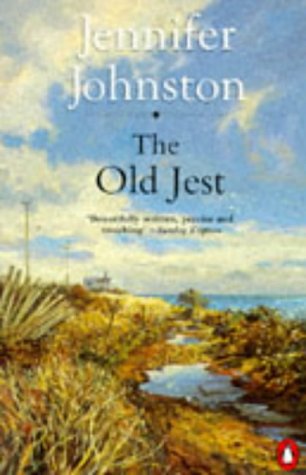
No. 89 on this list. The Old Jest
Jennifer Johnston · 1979
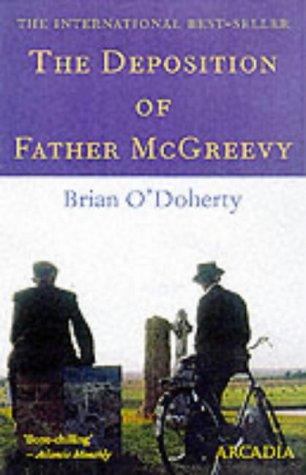
No. 90 on this list. The Deposition of Father McGreevy
Brian O'Doherty · 2000
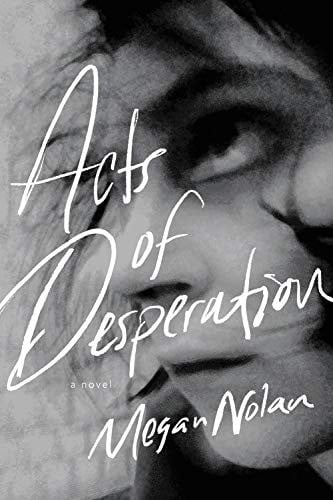
No. 91 on this list. Acts of Desperation
Megan Nolan · 2021
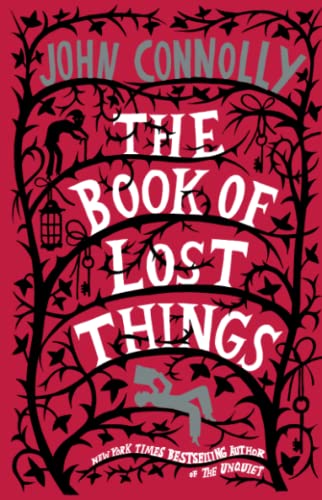
No. 92 on this list. The Book of Lost Things
John Connolly · 2006
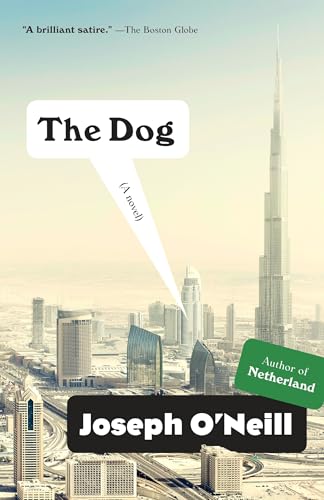
No. 93 on this list. The Dog
No. 94 on this list. No Country for Young Men
Julia O'Faolain · 1980
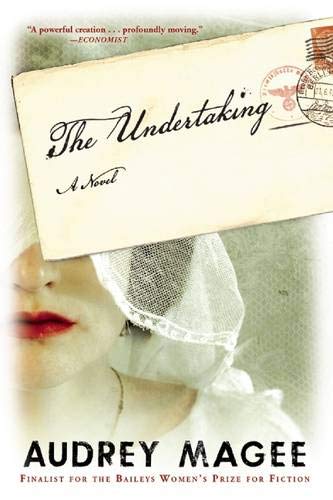
No. 95 on this list. The Undertaking
Audrey Magee · 2014
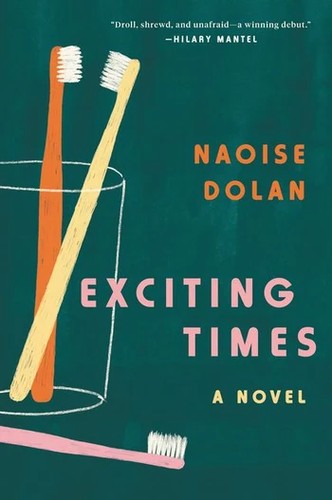
No. 96 on this list. Exciting Times
Naoise Dolan · 2020
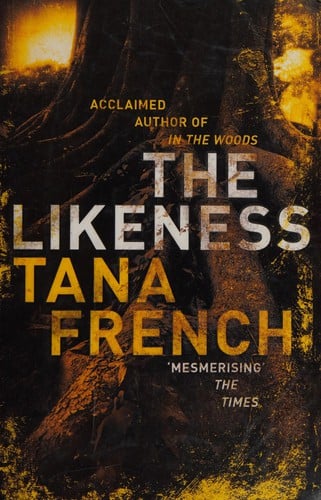
No. 97 on this list. The Likeness
Tana French · 2008
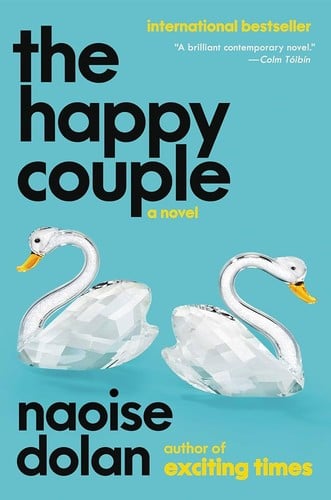
No. 98 on this list. The Happy Couple
Naoise Dolan · 2023
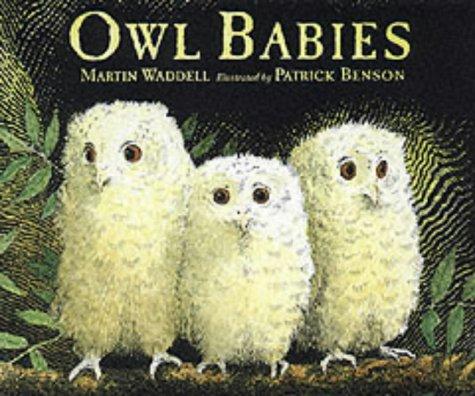
No. 99 on this list. Owl Babies
Martin Waddell · 2002
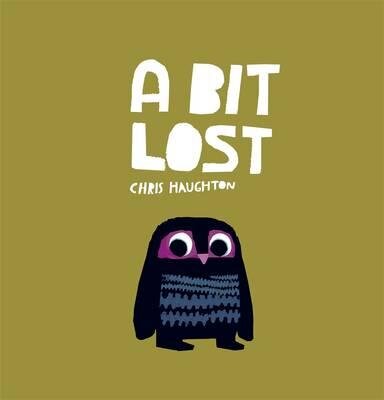
No. 100 on this list. A Bit Lost
Chris Haughton · 2010
About this list
These 100 books are the highest-scoring eligible books from Ireland currently in the catalogue. About 729 hours of reading in all, for the 99 with measured lengths. Difficulty runs from 52 to 62 out of 100 for the middle half of the list; the summit is Finnegans Wake at 94.
This is a computed ranking ordered by literary regard, with a consistent order for equal scores. Membership follows authors and co-authors, not translators or editors. The list keeps to literature: fiction, poetry, drama and philosophy, its novels, poems and plays first and its philosophy after them, and no more than three works by one author. Catalogue coverage and the historical canon both limit what this list can represent.
When we matched the Canons dataset to our catalogue in October 2026, our canonical-status scores rose with the number of school curricula, publisher series and lists in it that cite a work: the median score was 72 for books one such source cites, 84 at two, 88 at three, 92 at four and 93 at five or more. Prizes are left out of that count. Outside the state curricula, the dataset’s sources choose mostly from what has been translated into English or French, so it is a weaker check on other literatures. Source: Canons (Andrew Piper), CC BY 4.0
Questions people actually ask
- What are the best books from Ireland?
- By literary regard, which weighs canonical status, critical standing and influence: Ulysses by James Joyce, Collected Poems of W.B. Yeats by William Butler Yeats, Waiting for Godot by Samuel Beckett, Finnegans Wake by James Joyce and Dubliners by James Joyce. ReadingRate ranks 100 such books, each with a difficulty score and a reading-time estimate.
- Which books from Ireland should I read first?
- Start from difficulty, not from rank. The most approachable books on this list that still carry top literary regard are The Importance of Being Earnest and Other Plays by Oscar Wilde (about 6.9 hours), Seeing Things by Seamus Heaney and The Importance of Being Earnest by Oscar Wilde.
- What are the shortest of the best books from Ireland?
- Among the top 25, the shortest are Death of a Naturalist by Seamus Heaney (about 22 min), Field Work by Seamus Heaney (about 30 min) and The Winding Stair by William Butler Yeats (about 53 min), at an average pace of 250 words a minute adjusted for each book's difficulty.
- Which of the best books from Ireland are the established classics?
- By canonical status, how firmly a book sits in curricula, anthologies and the canon: Ulysses by James Joyce, Collected Poems of W.B. Yeats by William Butler Yeats, Waiting for Godot by Samuel Beckett, Dracula by Bram Stoker and The Importance of Being Earnest by Oscar Wilde.
- Can I read any of these books from Ireland for free?
- 9 of the 100 open in ReadingRate's reader with a free account, from public-domain editions: Ulysses, Dubliners, The Tower, Gulliver's Travels, Dracula and 4 more.
- How long would it take to read the top ten?
- About 153 hours, at an average pace of 250 words a minute adjusted for each book's difficulty: 77 days at two hours a day. Set your own pace on the page and the list's reading times change to it.
- How hard are books from Ireland to read?
- Most of this list sits between 52 and 62 on ReadingRate's 100-point difficulty scale, where 40 to 55 is moderate. The summit is Finnegans Wake at 94. Every entry carries its own score, so a reader can pick a great book at a difficulty they will finish.
- Where should I start with James Joyce?
- Dubliners. It holds high literary regard at a fraction of the difficulty of Ulysses, and none of Finnegans Wake's — the difficulty data separates the three sharply, which is exactly why readers who start in the wrong place give up on Joyce entirely.
- How is this list ranked?
- On literary-regard data: how canonically established a work is, its critical standing, and its influence on later writing. It is not a readers’ poll, which is why recent bestsellers rarely appear. Membership follows authors and co-authors, not translators or editors. Lists by country, author, period, theme or difficulty keep to literature (fiction, poetry, drama and philosophy), their novels, poems and plays first and their philosophy after them; a list of a kind of book, such as memoir or criticism, keeps every book of that kind. Every list holds at most three works by one author.