Hours at an average pace
Showing 100 books
About 756 hours for 100 of 100 books with measured lengths. Estimates use 250 words a minute, adjusted for each book's difficulty. At 2 hours a day, about 378 days for those books.
No. 1 on this list. In Search of Lost Time
Marcel Proust · 1913
Difficult25 hours
Included in: Bokklubben World Library, Great Books of the Western World
In Search of Lost Time appears on 223 university syllabi and registers at the 58.7th percentile in the Open Syllabus Project — a significant presence for a seven-volume novel typically taught in translation and only in specialized courses. It appears on virtually every 'greatest novels' list (Modern Library, Le Monde, Time), and is treated as the central work of French modernism in comparative literature programs worldwide.
Appears on 986 university syllabi according to the Open Syllabus Project, placing it in the top tier of world literature taught in higher education. Wikipedia articles exist in 63 languages with dedicated Reception and Adaptations sections, confirming its status as a global canonical text. Listed on the Open Syllabus Top 500 Literature and 1001 Books You Must Read Before You Die.
No. 3 on this list. The Stranger
Albert Camus · 1942
Challenging3 hours
Included in: Bokklubben World Library
The Stranger appears on Le Monde's 100 Books of the Century, the Open Syllabus Top 500 Literature list, and 1001 Books You Must Read Before You Die. Published in prestige editions by both NYRB Classics and Penguin Modern Classics, it is one of the most assigned existentialist texts in university world literature courses across Europe, North America, and beyond.
No. 4 on this list. Les Misérables
Victor Hugo · 1862
Challenging51 hours
Taught in schools: Turkish edebiyat curriculum (Turkey)
Les Misérables has a Wikipedia article available in 71 languages and a 73,000-character article with dedicated reception and adaptations sections — indicators of global cultural reach matched by few 19th-century novels. It is treated as a foundational text in French literature courses worldwide and appears on most lists of essential world fiction. Its canonical status in francophone secondary and university education is comparable to Hamlet's in English curricula.
No. 5 on this list. Gargantua and Pantagruel
François Rabelais · 1532
Challenging33 hours
Taught in schools: Lektury obowiązkowe – Polish national reading list (Poland)
Included in: Bokklubben World Library, Great Books of the Western World
Gargantua and Pantagruel appears on virtually every Western literary canon list and is required reading in Renaissance literature courses at universities worldwide. The work has Wikipedia articles in more than 60 languages and has maintained continuous scholarly attention since the 16th century. It appears on Harold Bloom's Western Canon and the Great Books curricula as a founding text of European prose fiction.
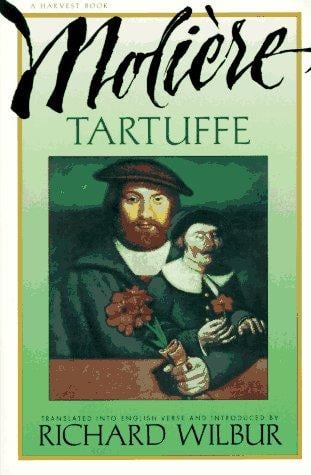
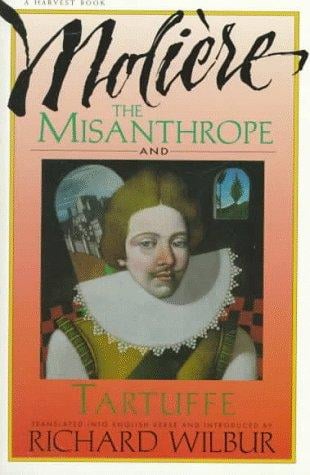
No. 6 on this list. Tartuffe
Molière · 1669
Moderate1.3 hours
Taught in schools: Hungarian literature curriculum (magyar nyelv és irodalom) (Hungary)
Included in: Great Books of the Western World
Tartuffe is required reading in French literature, comparative literature, and theater history courses at virtually every major university. It is among the most-performed French plays internationally and appears on nearly all canonical drama reading lists alongside Racine and Corneille. The play has been in continuous repertoire since 1669 and is central to any study of Western comedy.
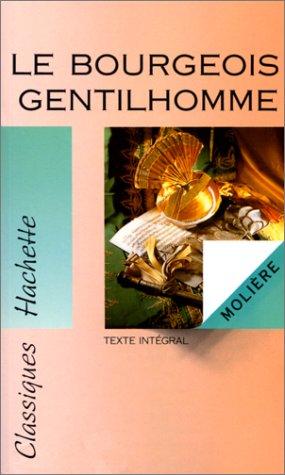
No. 7 on this list. The Bourgeois Gentleman
Molière · 1670
Moderate1.2 hours
Included in: Great Books of the Western World
Le Bourgeois Gentilhomme is required reading in French literature courses worldwide and appears in virtually every major world drama anthology. Commissioned by Louis XIV for the royal court in 1670, it has remained one of Molière's most performed plays for over three and a half centuries, cementing its place among the indispensable works of European theater.
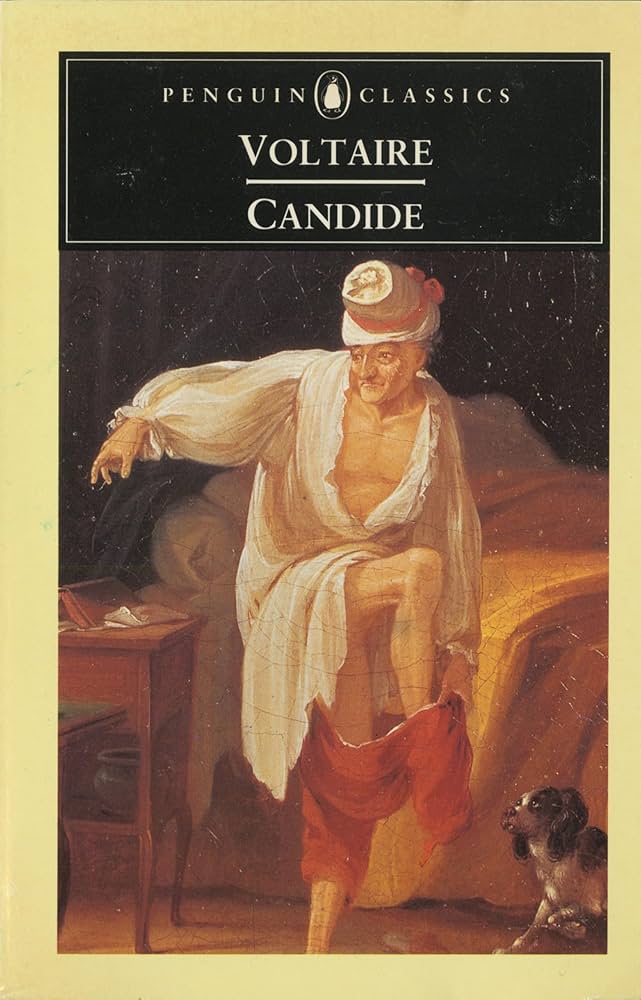
No. 8 on this list. Candide
Voltaire · 1759
Challenging3 hours
Taught in schools: Hungarian literature curriculum (magyar nyelv és irodalom) (Hungary)
Included in: Great Books of the Western World
Voltaire's Candide gets flogged, shipwrecked, and nearly auto-da-féd across three continents, each catastrophe demolishing Pangloss's insistence that this is the best of all possible worlds. The final line—"we must cultivate our garden"—became the Enlightenment's most quoted rebuke to metaphysical optimism.
Among Hugo most famous novels. Sparked Gothic Revival and cathedral preservation movement.
The Misanthrope is a cornerstone of university curricula in French literature, comparative literature, and theatre studies worldwide. No database records were returned, but by knowledge it appears on thousands of syllabi globally and has Wikipedia articles across dozens of languages. It is considered essential reading for any serious study of European classical drama.

No. 11 on this list. Bérénice · Jean Racine · 1670
Included in: Great Books of the Western World
Bérénice is a cornerstone of French classical literature, taught in virtually every French lycée and featured in world literature and drama curricula internationally. Alongside Phèdre and Andromaque, it is one of the three works most associated with Racine's genius and is considered essential reading for anyone studying French neoclassical theatre.
Moderate50 min
Start this bookNo. 12 on this list. Lost Illusions · Honoré de Balzac · 1843
Lost Illusions is the centrepiece of Balzac's La Comédie humaine and a standard text in French literature and in courses on the nineteenth-century European novel. Xavier Giannoli's 2021 film adaptation brought it new readers.
Challenging18 hours
Read nowNo. 13 on this list. The Theatre and Its Double · Antonin Artaud · 1938
Listed among Le Monde's 100 Books of the Century (1999) and the Open Syllabus Top 500 in Literature, with Wikipedia presence in 10 languages. The Theatre and Its Double is essential reading in theatre studies programs worldwide. Published by NYRB Classics. Every contemporary theatre practitioner and scholar encounters Artaud's theories in courses on performance studies, avant-garde theatre, modernism, and cultural theory.
Difficult11 hours
Start this bookNo. 14 on this list. The Plague · Albert Camus · 1947
Taught in schools: Lektury obowiązkowe – Polish national reading list (Poland)
Included in: UNESCO Collection of Representative Works
The Plague is taught across Europe, the Americas, and Asia in existentialism, 20th-century literature, and French literature courses. Its Wikipedia article exists in 124 languages — comparable to the reach of Kafka's The Trial and well above most postwar novels. Listed in 1001 Books You Must Read Before You Die and enshrined as a Penguin Modern Classic.
Moderate6.7 hours
Start this bookNo. 15 on this list. Three Tales · Gustave Flaubert · 1877
"A Simple Heart" is one of the most anthologized short stories in world literature and appears across university syllabi in French literature and world literature courses. The collection as a whole is standard reading in 19th-century realism curricula globally. No scraped syllabus data was returned, but the collection's presence in major anthologies and its continuous critical attention over 140 years place it firmly in the high-canonical range.
Difficult5.6 hours
Start this bookNo. 16 on this list. Le Cid · Pierre Corneille · 1637
Taught in schools: Hungarian literature curriculum (magyar nyelv és irodalom) (Hungary)
Included in: UNESCO Collection of Representative Works
Rodrigue has just killed a man in a duel. The man was the father of Chimène, the woman he loves. Now Chimène must demand his execution — and she does, publicly, before the king, even as she still loves him. This is the central knot of Corneille's 1637 tragicomedy, and he never loosens it: honor requires each of them to destroy the other, yet neither stops loving the other for a moment. Set in medieval Seville, Le Cid moves with the brisk efficiency of classical French theater — five acts, a single crisis, no wasted scenes. Rodrigue kills Count Gormaz to avenge his father's humiliation. He then defeats a Moorish invasion almost as an afterthought, becoming a national hero just as Chimène presses her case against him. The king delays, the Infanta nurses her own secret love for Rodrigue, and the play ends not with resolution but with a promise: wait a year, let time do its work. What makes Le Cid endure is the Cornelian dilemma at its core — the forced choice between love and duty, where doing the right thing is also the most brutal thing. Corneille gives both Rodrigue and Chimène equal moral weight. Neither is wrong. The alexandrine verse they speak is formal, even stiff to modern ears, but underneath it two people are trying to hold themselves together while being torn apart.
Moderate1.2 hours
Start this bookNo. 17 on this list. Sentimental Education · Gustave Flaubert · 1869
Included in: Bokklubben World Library
Wikipedia article available in 27 languages with dedicated reception and adaptations sections, indicating sustained global readership. Taught in French literature and comparative literature courses at universities worldwide, though less universally assigned than Madame Bovary.
Challenging18 hours
Read nowNo. 18 on this list. W, or the Memory of Childhood · Georges Perec · 1975
A firm fixture in the OuLiPo canon and in broader European literary canons. Regularly taught in comparative literature, Holocaust literature, and postmodern fiction courses internationally. Less widely read than some contemporaries but deeply influential among serious readers and writers.
Difficult6.5 hours
Start this bookNo. 19 on this list. Père Goriot · Honoré de Balzac · 1835
Included in: Bokklubben World Library
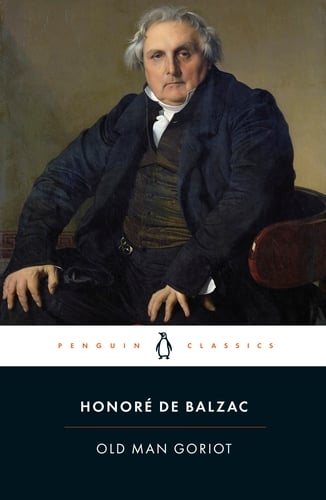
Père Goriot is a fixture in world literature curricula, appearing in French literature surveys, comparative literature courses, and 19th-century fiction seminars across the globe. Wikipedia articles in 47 languages signal its reach far beyond the French-speaking world. It holds a central position in La Comédie humaine, Balzac's linked series of nearly 100 novels, and is typically the first text assigned to readers of Balzac.
Challenging7.7 hours
Start this bookNo. 20 on this list. The Red and the Black · Stendhal · 1830
Taught in schools: Hungarian literature curriculum (magyar nyelv és irodalom) (Hungary)
Included in: Bibliothèque de la Pléiade, Bokklubben World Library
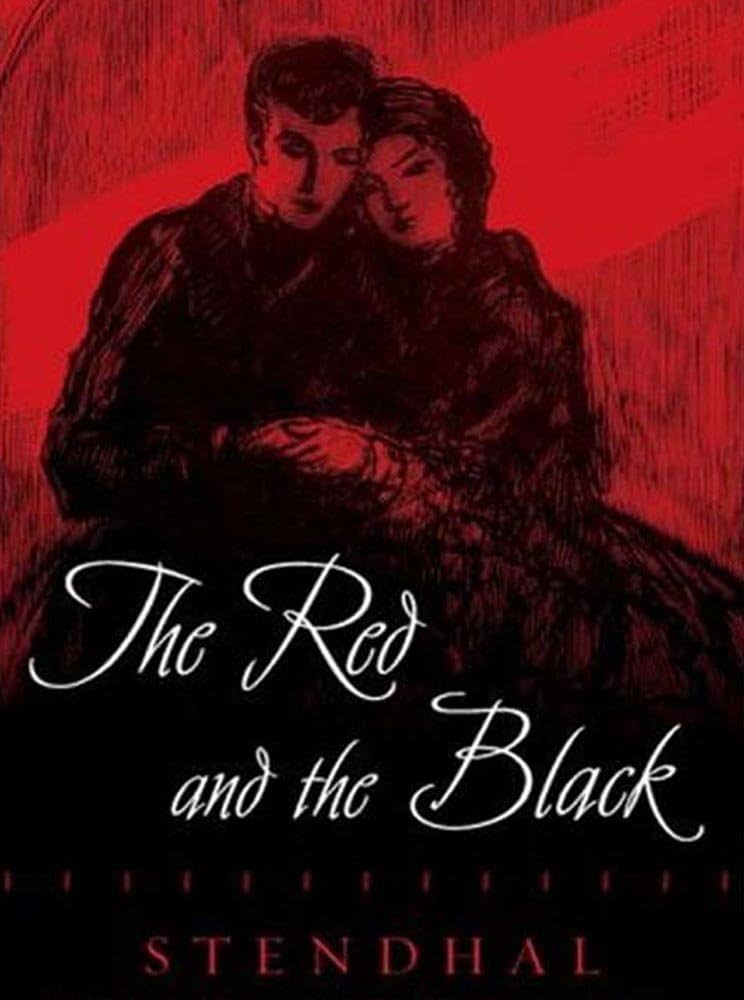
The Red and the Black is a foundational text of the realist novel, taught in French literature and world literature courses globally. Its Wikipedia article appears in 44 languages, indicating substantial global reach, and it regularly features on canonical lists such as the Modern Library 100 and TIME's All-TIME 100 novels.
Challenging17 hours
Read now
No. 21 on this list. Andromaque · Jean Racine · 1667
Andromaque, widowed queen of Troy, has one goal: protect her son Astyanax, the last living heir of Hector. Standing between her son's life and his death is Pyrrhus, the Greek king who killed her husband and now holds them both captive — and who, inconveniently, is in love with her. Pyrrhus will spare the boy if she marries him. She refuses. He turns back to his betrothed, Hermione. Then he returns to Andromaque again. This chain of unrequited desire — Oreste loves Hermione, Hermione loves Pyrrhus, Pyrrhus loves Andromaque, Andromaque loves only the dead Hector — is the entire engine of the play. Racine wrote Andromaque in 1667, when he was thirty, and it made him famous overnight. The alexandrine verse is strict and relentless, each character arguing their case with the precision of a lawyer and the desperation of someone who knows they are losing. What distinguishes this from other tragedies is how little pity Racine allows anyone: every character is both victim and tormentor. By the final act, Pyrrhus is dead, Hermione has killed herself, and Oreste has gone mad. Andromaque survives, which in context feels like its own punishment.
Moderate57 min
Start this bookNo. 22 on this list. Phèdre · Jean Racine · 1677
Included in: Great Books of the Western World
Phedre is the acknowledged masterpiece of French neoclassical drama and a permanent fixture of French lycee and university curricula worldwide. Wikipedia articles exist in 26 languages with a dedicated Reception section, reflecting sustained international scholarly attention. Though the database records no syllabus appearances, this reflects a data gap — the play is core curriculum in French literature courses across Europe and North America.
Moderate52 min
Start this bookNo. 23 on this list. Les Contemplations · Victor Hugo · 1856
The central poetry collection of 19th-century French literature. 'Demain, dès l'aube' is memorized by every French schoolchild. A cornerstone of the Romantic canon.
Moderate3.7 hours
Read nowNo. 24 on this list. L'Assommoir · Émile Zola · 1877
Often considered Zola's masterpiece; essential text for understanding French naturalism.
Moderate6 hours
Read nowNo. 25 on this list. Alcools · Guillaume Apollinaire · 1913
Listed in Le Monde's 100 Books of the Century and a set text in French schools and universities, with 'Zone', 'Le Pont Mirabeau' and 'La Chanson du mal-aimé' in every anthology of French poetry. Its English-language teaching is narrower, mostly in courses on modernism and the avant-garde.
Challenging1.4 hours
Read nowNo. 26 on this list. Happening · Annie Ernaux · 2000
Happening has become one of Ernaux's most discussed and translated works, widely taught in French literature courses at university level and increasingly prominent in Anglophone curricula following her 2022 Nobel Prize. Its frank treatment of illegal abortion in 1960s France grants it significant cultural-historical standing alongside landmark autofictional texts.
Challenging1.8 hours
Start this bookNo. 27 on this list. Exercises in Style · Raymond Queneau · 1947
A cornerstone text of postwar French avant-garde literature and the OuLiPo tradition, widely assigned in literary theory and creative writing courses. Not a household classic in the manner of Camus but firmly enshrined in academic and experimental-fiction canons worldwide.
Challenging2.1 hours
Start this bookNo. 28 on this list. The Charterhouse of Parma · Stendhal · 1839
A cornerstone of the 19th-century European novel, regularly taught in French literature and comparative literature courses. The novel exemplifies early psychological realism and remains essential reading for understanding the development of the modern novel.
Challenging17 hours
Read nowNo. 29 on this list. The Bald Soprano · Eugène Ionesco · 1950
The Bald Soprano appears in Le Monde's 100 Books of the Century (1999) and the Open Syllabus Top 500 Literature list, with a Wikipedia presence in 27 languages. It is standard coursework in theater history, comparative literature, and 20th-century drama programs globally — a fixed point on any survey of modern theater. Less universally assigned than Shakespeare or Beckett's Waiting for Godot, but firmly in the canon of world drama with no serious dispute about its place there.
Moderate3.8 hours
Start this bookNo. 30 on this list. Journey to the End of the Night · Louis-Ferdinand Céline · 1932
Included in: Bokklubben World Library
Named to Le Monde's 100 Books of the Century and listed in the Open Syllabus Top 500 for Literature, the novel holds an established place in French and comparative literature curricula. Its Wikipedia article spans 37 languages with a dedicated Reception section, reflecting sustained international recognition. It is taught in world literature and modernist fiction courses but falls short of the blanket curriculum presence of Kafka, Camus, or Proust.
Challenging19 hours
Start this book

No. 31 on this list. Persian Letters
Montesquieu · 1721
Taught in schools: Hungarian literature curriculum (magyar nyelv és irodalom) (Hungary)
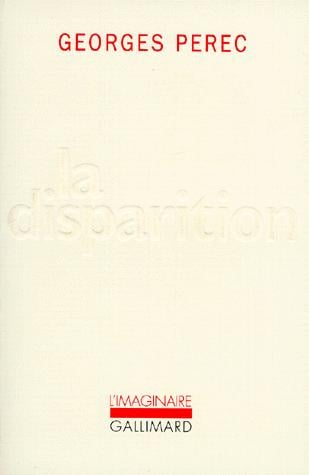
No. 32 on this list. A Void
Georges Perec · 1969
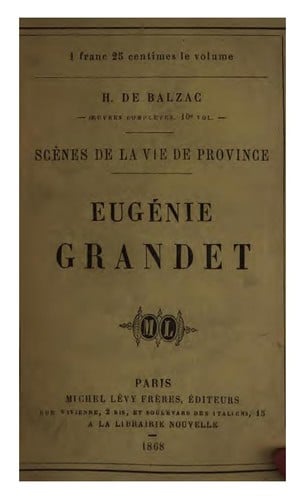
No. 33 on this list. Eugénie Grandet
Honoré de Balzac · 1833
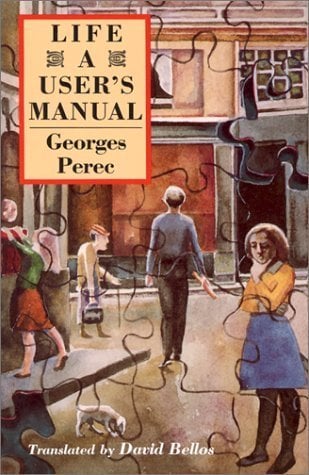
No. 34 on this list. Life A User's Manual
Georges Perec · 1978
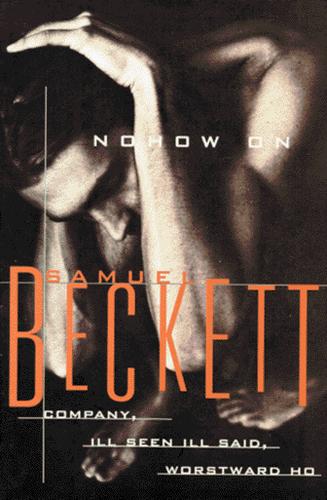
No. 35 on this list. Ill Seen Ill Said
Samuel Beckett · 1981
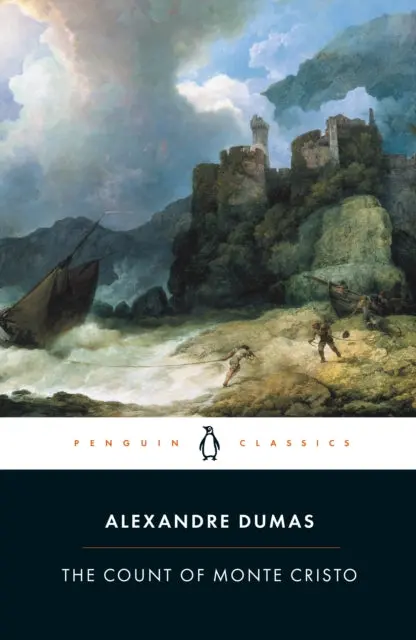
No. 36 on this list. The Count of Monte Cristo
Alexandre Dumas · 1844
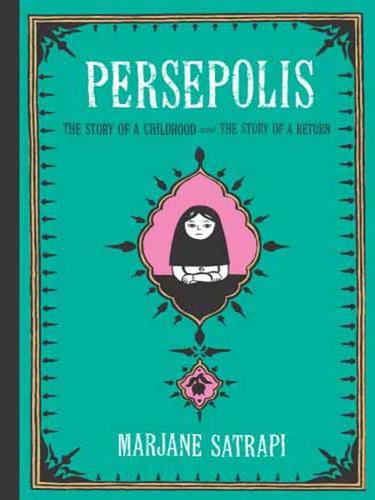
No. 37 on this list. Persepolis
Marjane Satrapi · 2000
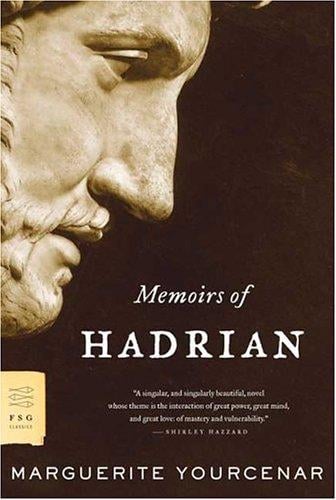
No. 38 on this list. Memoirs of Hadrian
Marguerite Yourcenar · 1951
Included in: Bokklubben World Library
No. 39 on this list. 20,000 Leagues Under the Sea
Jules Verne · 1870
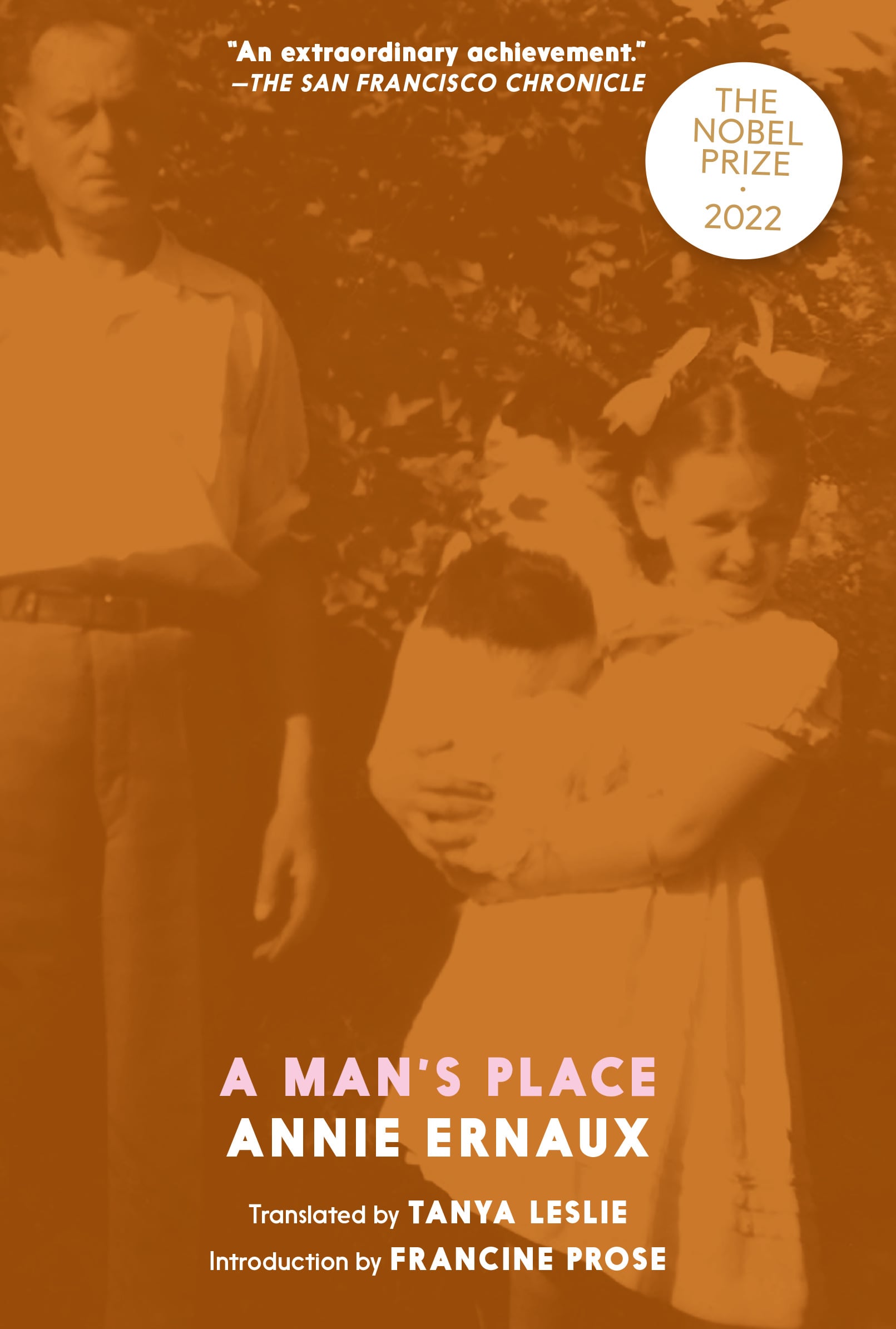
No. 40 on this list. A Man's Place
Annie Ernaux · 1983
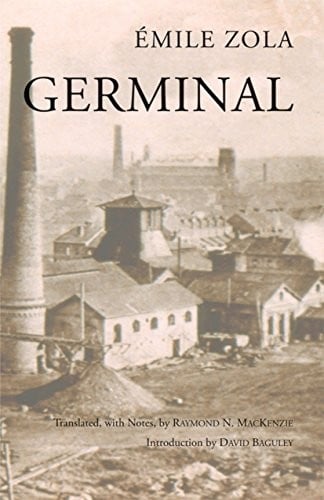
No. 41 on this list. Germinal
Émile Zola · 1885
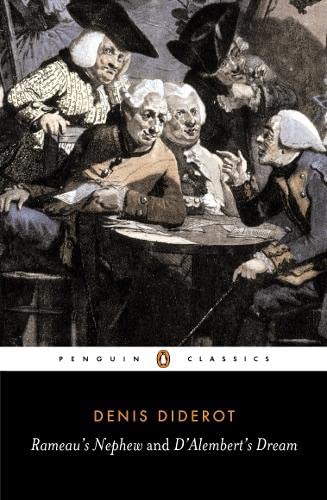
No. 42 on this list. Rameau's Nephew
Denis Diderot · 1805
Included in: Great Books of the Western World
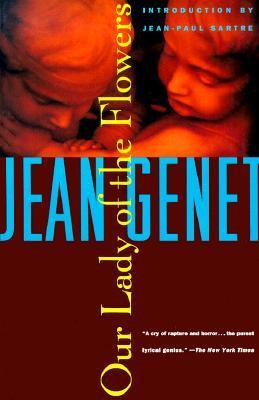
No. 43 on this list. Our Lady of the Flowers
Jean Genet · 1943
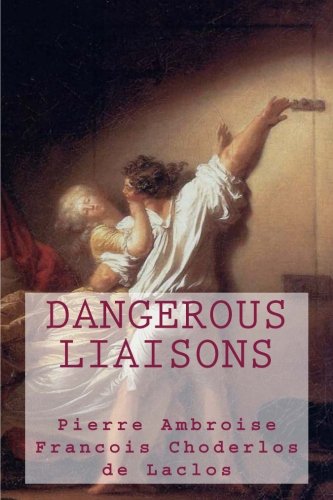
No. 44 on this list. Dangerous Liaisons
Pierre Choderlos de Laclos · 1782
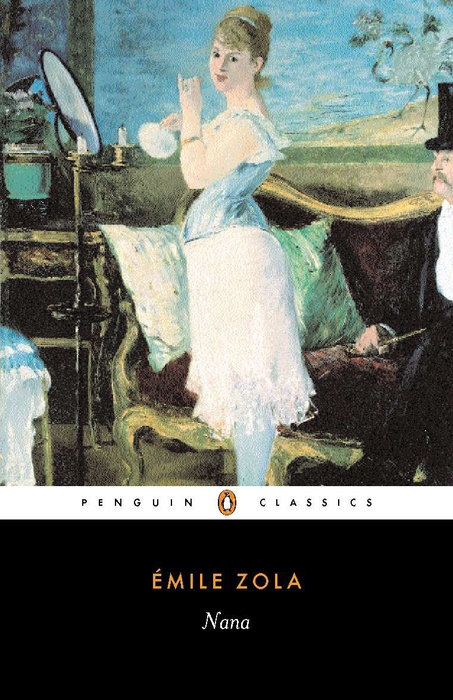
No. 45 on this list. Nana
Émile Zola · 1880
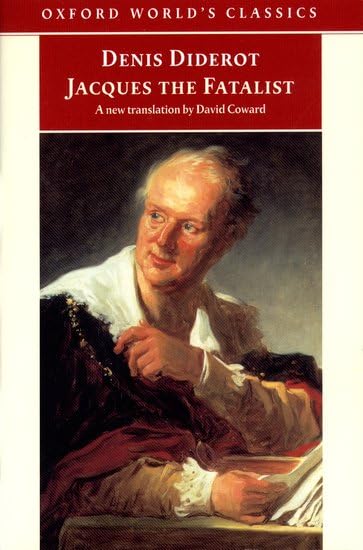
No. 46 on this list. Jacques the Fatalist and His Master
Denis Diderot · 1796
Included in: Bokklubben World Library
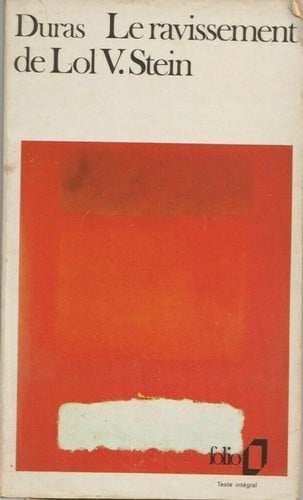
No. 47 on this list. The Ravishing of Lol Stein
Marguerite Duras · 1964
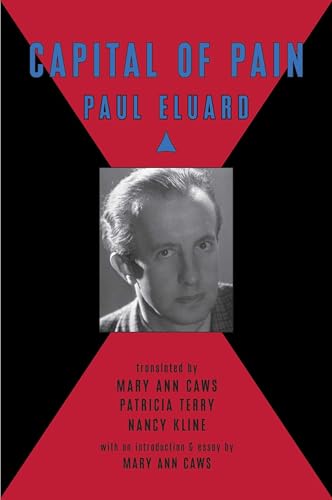
No. 48 on this list. Capital of Pain
Paul Éluard · 1926
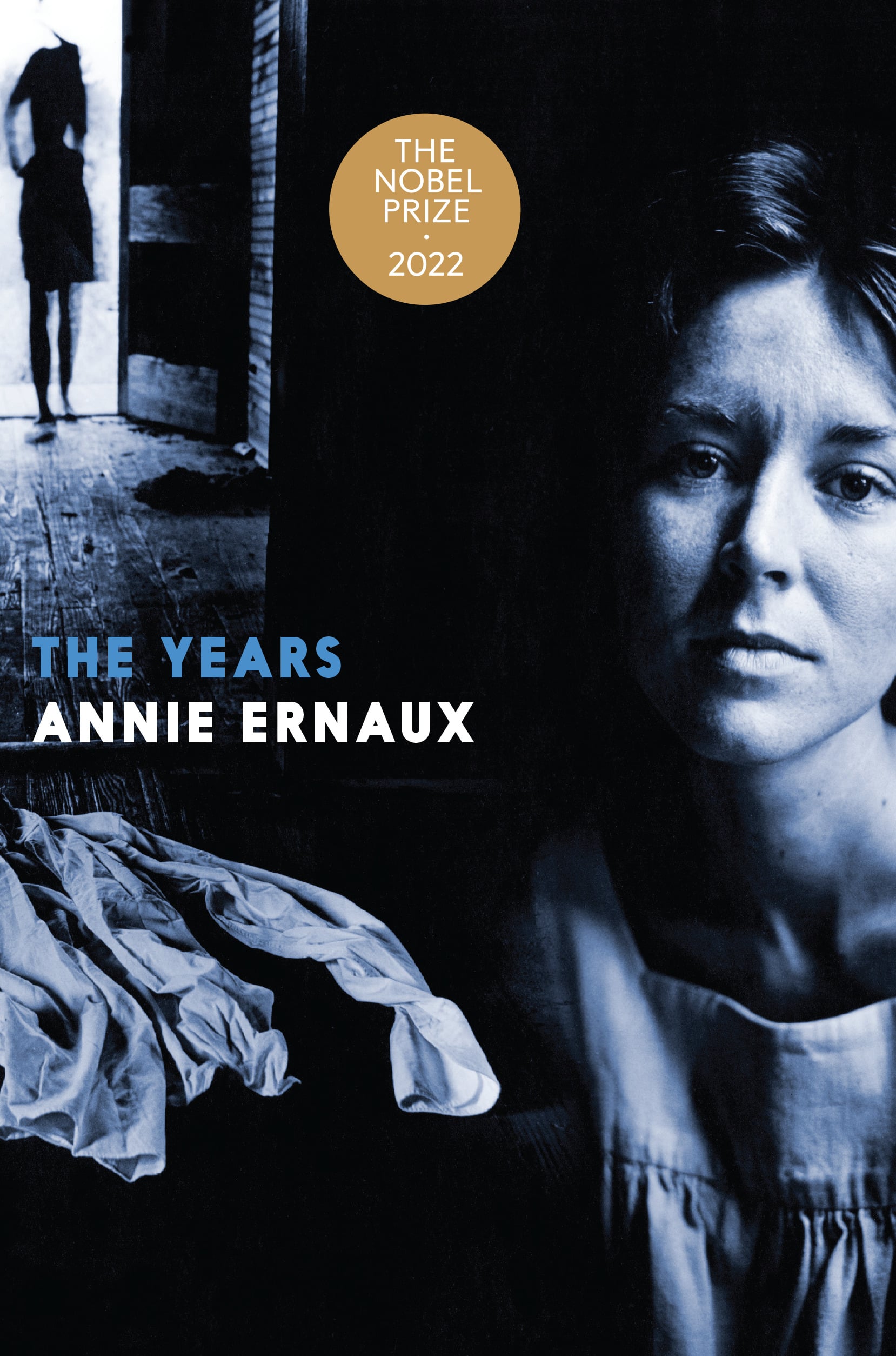
No. 49 on this list. The Years
Annie Ernaux · 2019
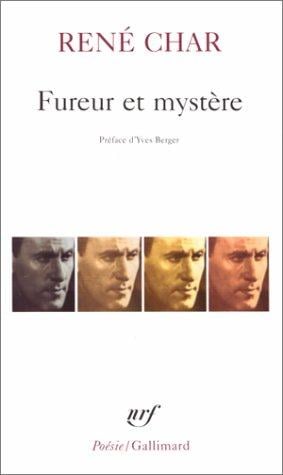
No. 50 on this list. Furor and Mystery
René Char · 1948
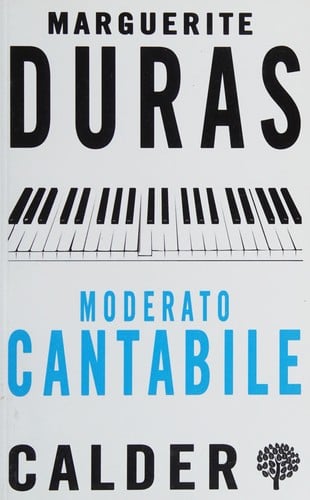
No. 51 on this list. Moderato Cantabile
Marguerite Duras · 1958
No. 52 on this list. The Opposing Shore
Julien Gracq · 1951
No. 53 on this list. Death on the Installment Plan
Louis-Ferdinand Céline · 1936
No. 54 on this list. Chéri
Colette · 1920
No. 55 on this list. Pierre and Jean
Guy de Maupassant · 1888
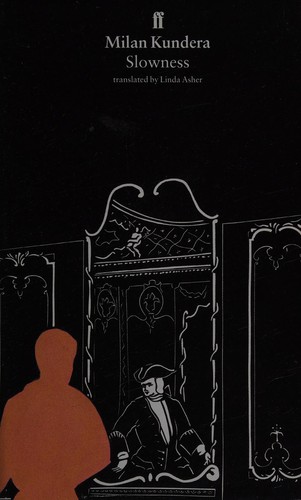
No. 56 on this list. Slowness
Milan Kundera · 1995
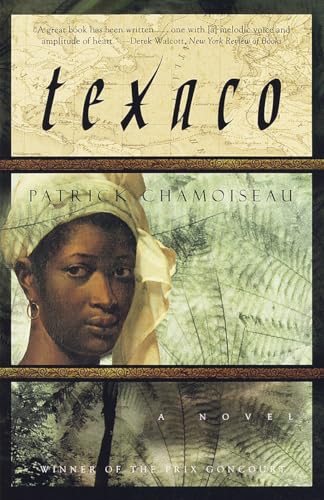
No. 57 on this list. Texaco
Patrick Chamoiseau · 1992
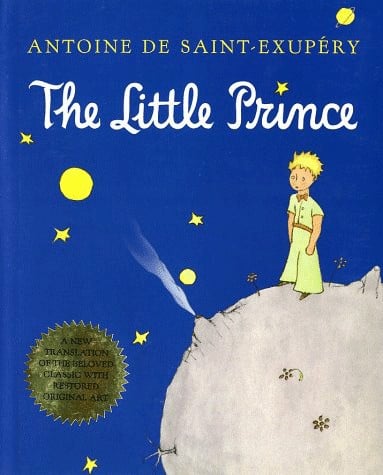
No. 58 on this list. The Little Prince
Antoine de Saint-Exupéry · 1943
Taught in schools: Common Core text exemplars (Appendix B) (US)
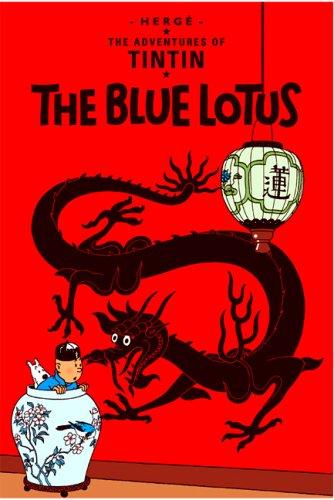
No. 59 on this list. The Blue Lotus
Hergé · 1936
No. 60 on this list. Manon Lescaut
Abbé Prévost · 1731
Taught in schools: Programme de français, lycée général et technologique (France)
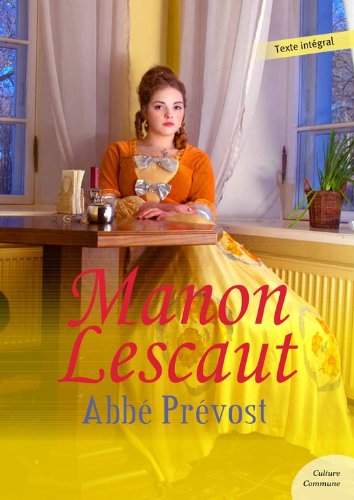
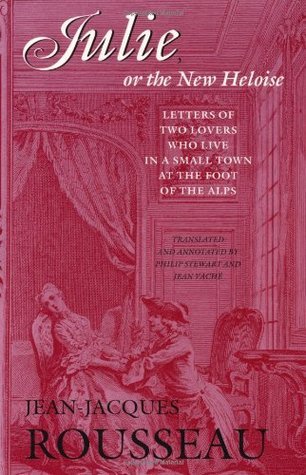
No. 61 on this list. Julie, or the New Heloise
Jean-Jacques Rousseau · 1761
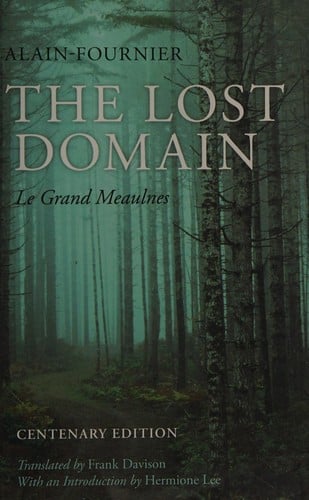
No. 62 on this list. Le Grand Meaulnes
Alain-Fournier · 1913
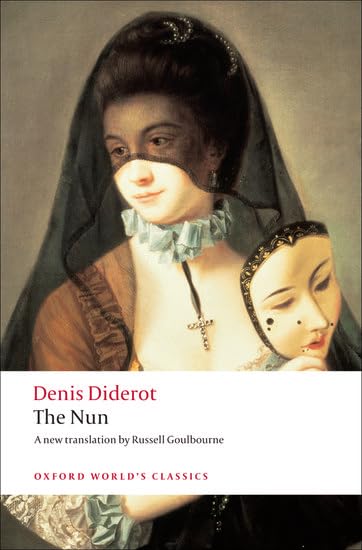
No. 63 on this list. The Nun
Denis Diderot · 1796
No. 64 on this list. Gigi
Colette · 1944
No. 65 on this list. Dirty Hands
Jean-Paul Sartre · 1948
No. 66 on this list. Journey to the Center of the Earth
Jules Verne · 1864
No. 67 on this list. The Satin Slipper
Paul Claudel · 1929
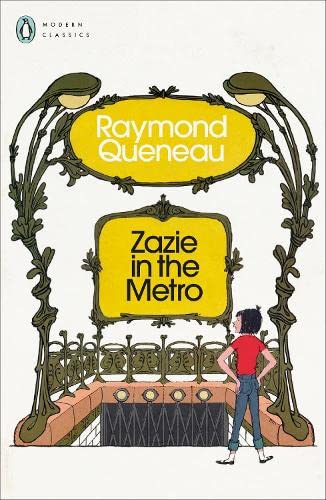
No. 68 on this list. Zazie in the Metro
Raymond Queneau · 1959
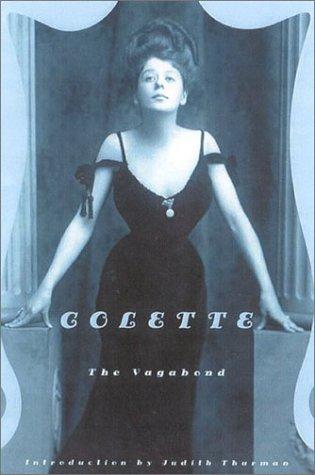
No. 69 on this list. The Vagabond
Colette · 1910
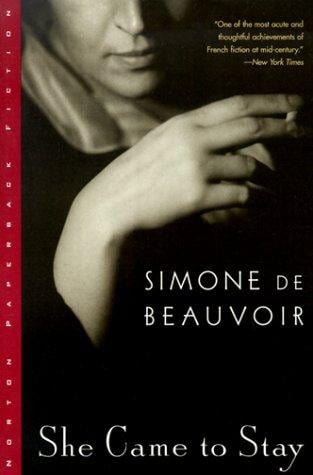
No. 70 on this list. She Came to Stay
Simone de Beauvoir · 1943
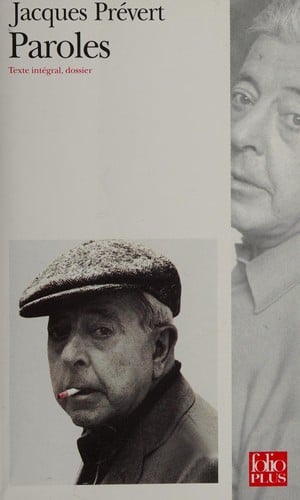
No. 71 on this list. Paroles
Jacques Prévert · 1946
No. 72 on this list. Second Thoughts
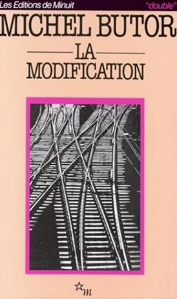
Michel Butor · 1956
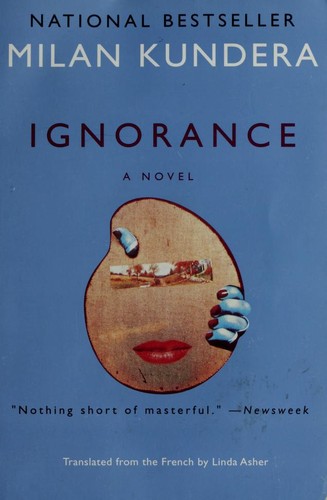
No. 73 on this list. Ignorance
Milan Kundera · 2000
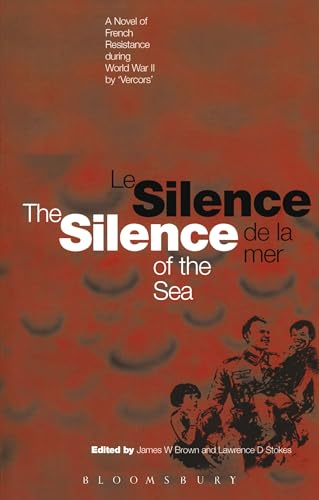
No. 74 on this list. The Silence of the Sea
Vercors · 1942
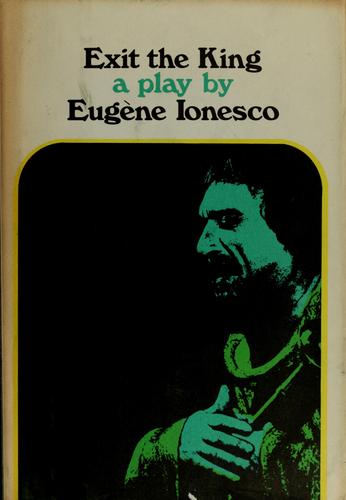
No. 75 on this list. Exit the King
Eugène Ionesco · 1962
No. 76 on this list. A Woman's Life
Guy de Maupassant · 1883
No. 77 on this list. Asterix the Gaul
René Goscinny · 1961
No. 78 on this list. The Rock of Tanios
Amin Maalouf · 1993
No. 79 on this list. Tropisms
Nathalie Sarraute · 1939
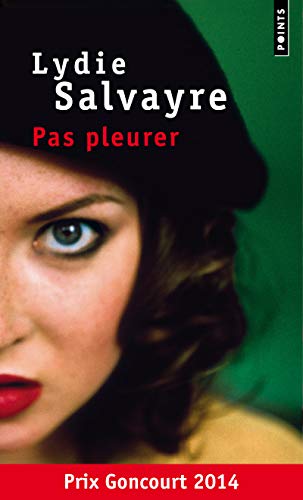
No. 80 on this list. Pas pleurer
Lydie Salvayre · 2014
No. 81 on this list. The Flies
Jean-Paul Sartre · 1943
Taught in schools: UNAM Escuela Nacional Preparatoria – programas de Literatura (Mexico)
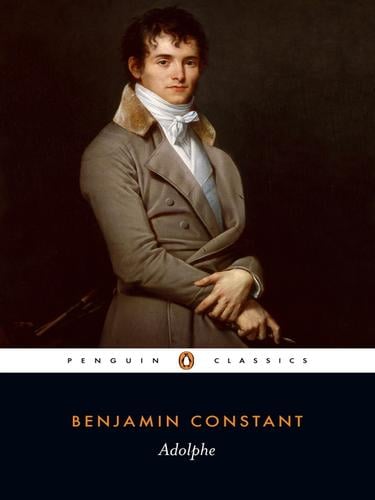
No. 82 on this list. Adolphe
Benjamin Constant · 1816
No. 83 on this list. So Long a Letter
Mariama Bâ · 1979
Taught in schools: CSEC English B – Caribbean Examinations Council
No. 84 on this list. The Woman Destroyed
Simone de Beauvoir · 1967
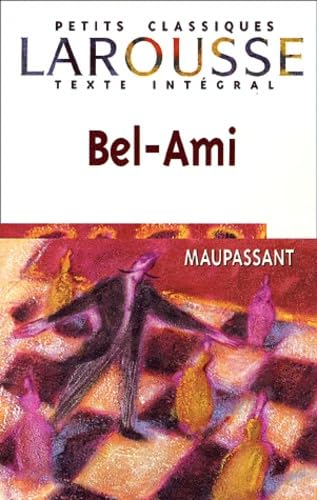
No. 85 on this list. Bel-Ami
Guy de Maupassant · 1885
No. 86 on this list. Three Strong Women
Marie NDiaye · 2009
No. 87 on this list. Friday, or, The Other Island
Michel Tournier · 1967
No. 88 on this list. Jean Barois
Roger Martin du Gard · 1913
No. 89 on this list. A Happy Death
Albert Camus · 1971
No. 90 on this list. Around the World in Eighty Days
Jules Verne · 1872
Taught in schools: CSEC English B – Caribbean Examinations Council

No. 91 on this list. Belle du Seigneur
Albert Cohen · 1968
No. 92 on this list. Froth on the Daydream
Boris Vian · 1947
No. 93 on this list. The Manuscript Found in Saragossa
Jan Potocki · 1815
No. 94 on this list. Castle to Castle
Louis-Ferdinand Céline · 1957
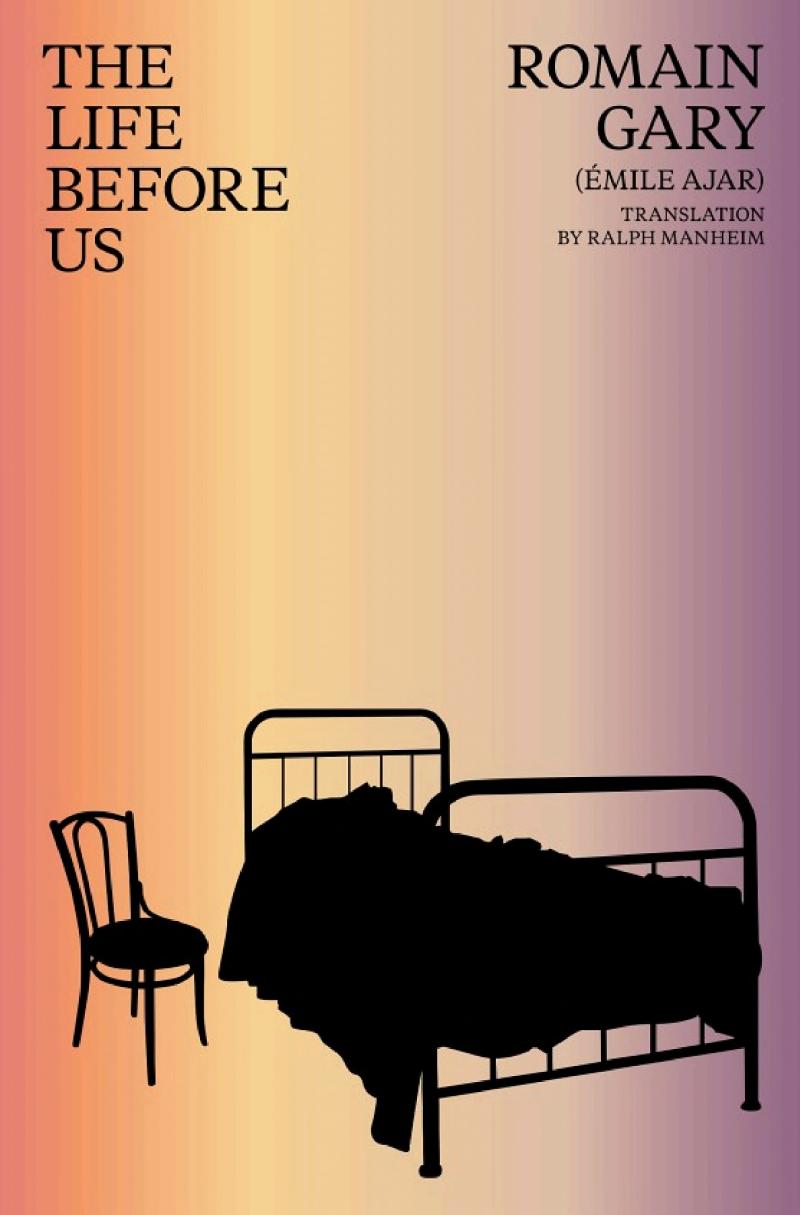
No. 95 on this list. The Life Before Us
Émile Ajar (Romain Gary) · 1975
No. 96 on this list. Bonjour Tristesse
Françoise Sagan · 1954
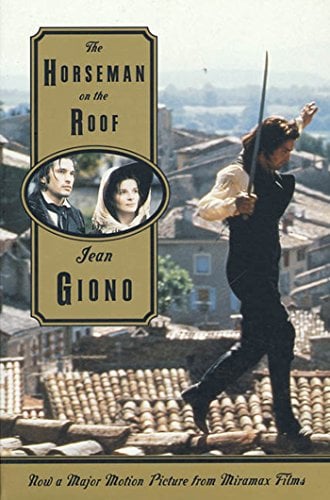
No. 97 on this list. The Horseman on the Roof
Jean Giono · 1951
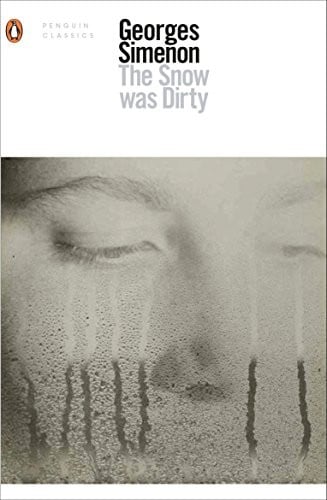
No. 98 on this list. Dirty Snow
Georges Simenon · 1948
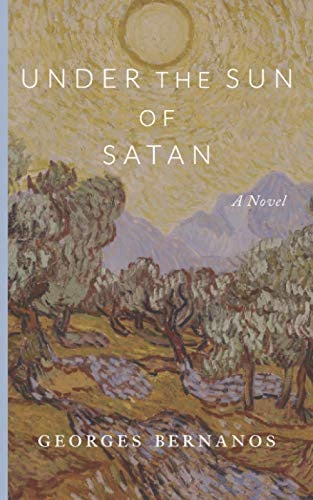
No. 99 on this list. Under the Sun of Satan
Georges Bernanos · 1926
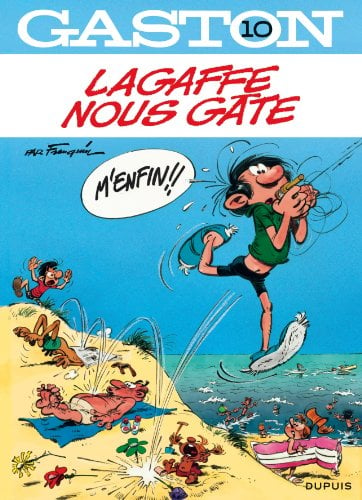
No. 100 on this list. Gaston
André Franquin · 1957

About this list
These 100 books are the highest-scoring eligible books in French currently in the catalogue. About 756 hours of reading in all. Difficulty runs from 47 to 63 out of 100 for the middle half of the list; the summit is A Void at 83.
This list is ranked by literary regard, with a consistent order for equal scores. Membership follows authors and co-authors, not translators or editors. Catalogue coverage and the historical canon both limit what this list can represent.
When we matched the Canons dataset to our catalogue in October 2026, our canonical-status scores rose with the number of school curricula, publisher series and lists in it that cite a work: the median score was 72 for books one such source cites, 84 at two, 88 at three, 92 at four and 93 at five or more. Prizes are left out of that count. Outside the state curricula, the dataset’s sources choose mostly from what has been translated into English or French, so it is a weaker check on other literatures. Source: Canons (Andrew Piper), CC BY 4.0
Questions people actually ask
- What are the best books in French?
- By literary regard, which weighs canonical status, critical standing and influence: In Search of Lost Time by Marcel Proust, Madame Bovary by Gustave Flaubert, The Stranger by Albert Camus, Les Misérables by Victor Hugo and Gargantua and Pantagruel by François Rabelais. ReadingRate ranks 100 such books, each with a difficulty score and a reading-time estimate.
- Which books in French should I read first?
- Start from difficulty, not from rank. The most approachable books on this list that still carry top literary regard are Persepolis by Marjane Satrapi (about 2.2 hours), Phèdre by Jean Racine and The Bourgeois Gentleman by Molière.
- What are the shortest of the best books in French?
- Among the top 25, the shortest are Bérénice by Jean Racine (about 50 min), Phèdre by Jean Racine (about 52 min) and Andromaque by Jean Racine (about 57 min), at an average pace of 250 words a minute adjusted for each book's difficulty.
- Which of the best books in French are the established classics?
- By canonical status, how firmly a book sits in curricula, anthologies and the canon: In Search of Lost Time by Marcel Proust, The Stranger by Albert Camus, Les Misérables by Victor Hugo, Tartuffe by Molière and Candide by Voltaire.
- Can I read any of these books in French for free?
- 18 of the 100 open in ReadingRate's reader with a free account, from public-domain editions: In Search of Lost Time, Madame Bovary, Les Misérables, Candide, Lost Illusions and 13 more.
- How long would it take to read the top ten?
- About 148 hours, at an average pace of 250 words a minute adjusted for each book's difficulty: 74 days at two hours a day. Set your own pace on the page and the list's reading times change to it.
- How hard are books in French to read?
- Most of this list sits between 47 and 63 on ReadingRate's 100-point difficulty scale, where 40 to 55 is moderate. The summit is A Void at 83. Every entry carries its own score, so a reader can pick a great book at a difficulty they will finish.
- How is this list ranked?
- On literary-regard data: how canonically established a work is, its critical standing, and its influence on later writing. It is not a readers’ poll, which is why recent bestsellers rarely appear. Membership follows authors and co-authors, not translators or editors. Lists by country, author, period, theme or difficulty keep to literature (fiction, poetry, drama and philosophy), their novels, poems and plays first and their philosophy after them; a list of a kind of book, such as memoir or criticism, keeps every book of that kind. Every list holds at most three works by one author.