Hours at an average pace
Showing 61 books
About 488 hours for 61 of 61 books with measured lengths. Estimates use 250 words a minute, adjusted for each book's difficulty. At 2 hours a day, about 245 days for those books.
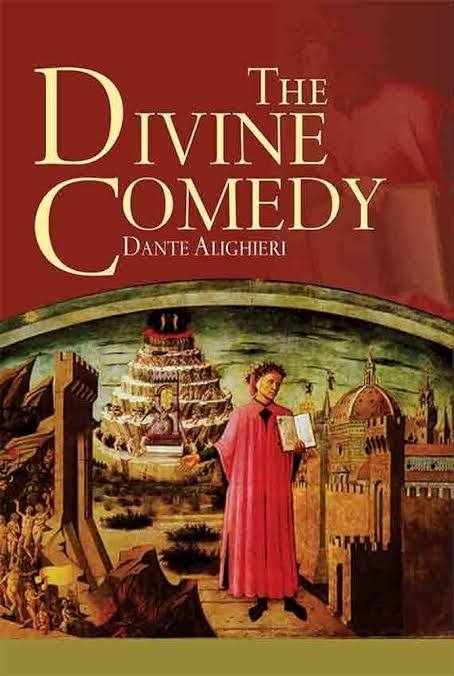
No. 1 on this list. Divine Comedy
Dante Alighieri · 1320
Challenging11 hours
Taught in schools: Armenian secondary literature, Lektury obowiązkowe – Polish national reading list (Poland), UNAM Escuela Nacional Preparatoria – programas de Literatura (Mexico)
Included in: Bokklubben World Library, Great Books of the Western World, UNESCO Collection of Representative Works
Dante built a complete architecture of the afterlife so precise you can map it, then populated it with real people he knew. The result fused theology, politics, and autobiography into a single narrative structure that no poem has matched in ambition or execution.
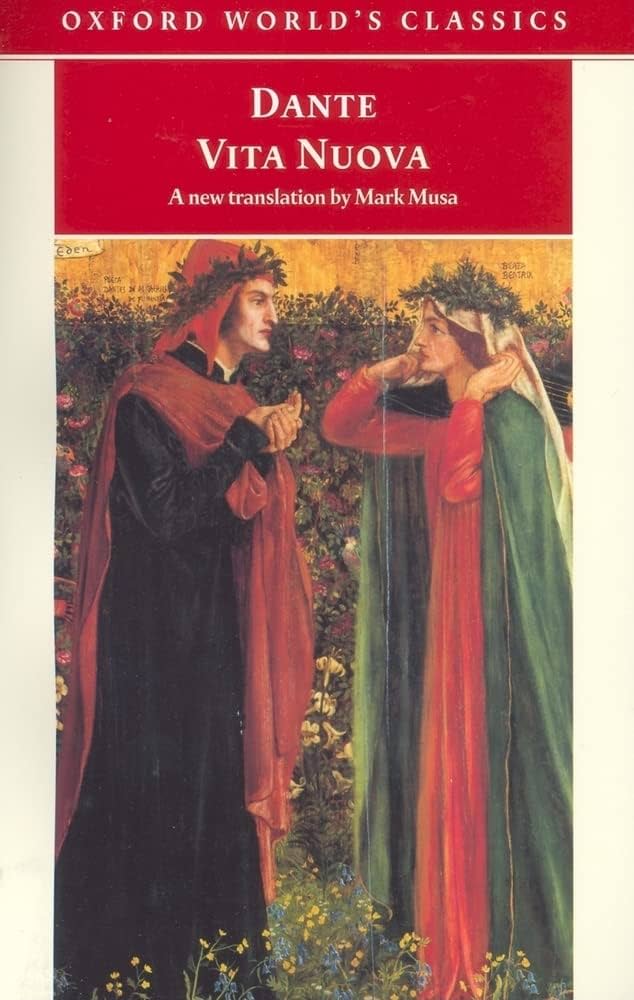
Vita Nuova is taught in virtually every medieval Italian literature program worldwide and appears in most comparative literature and Romance philology curricula. It is the foundational text of the dolce stil novo movement and the biographical prologue to the Divine Comedy, one of the most studied works in Western literary history. Wikipedia entries exist in more than 80 languages, and the work has been continuously in print and commentary since Boccaccio's 14th-century biography of Dante.
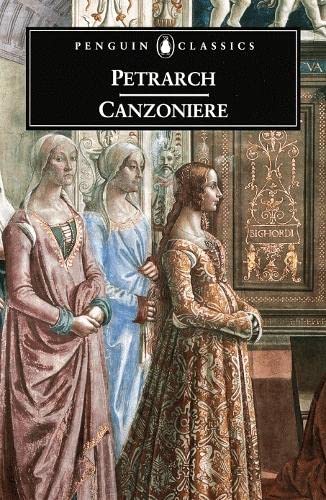
No. 3 on this list. Canzoniere
Petrarch · 1374
Difficult4.2 hours
Taught in schools: Montenegrin literature curriculum (crnogorski jezik i književnost) (Montenegro)
The foundation text of the European lyric tradition, taught in every survey of Renaissance and comparative literature, and in print in facing-page editions from Harvard, Oxford and Penguin.
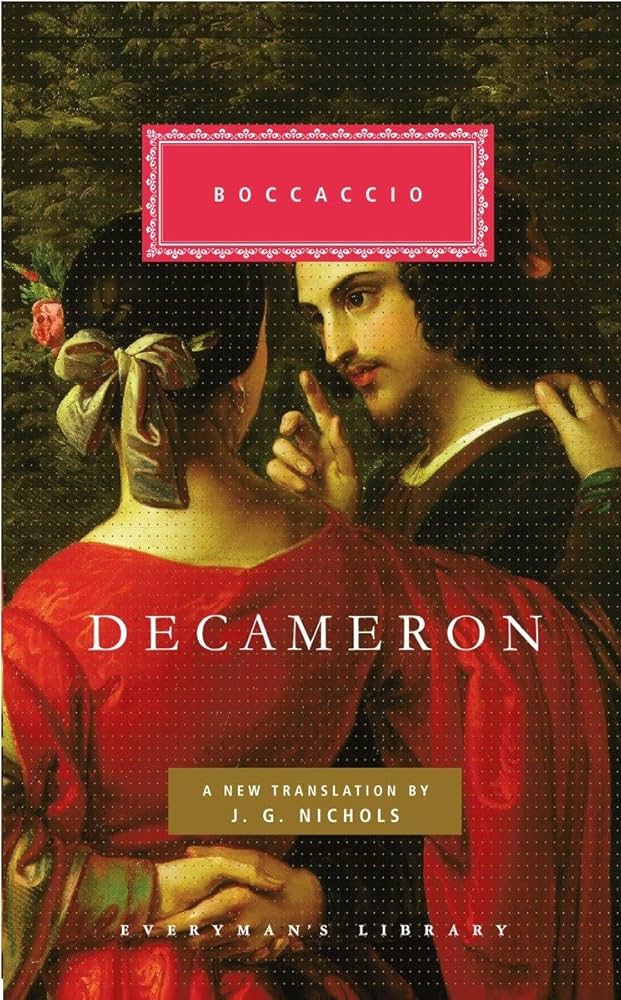
No. 4 on this list. The Decameron
Giovanni Boccaccio · 1353
Moderate20 hours
Included in: Bokklubben World Library
Ten young Florentines flee the Black Death and tell a hundred stories—bawdy, tragic, satirical—that give prose fiction its first great architecture. Chaucer borrowed from it, and the frame-narrative technique Boccaccio perfected here became the scaffolding for centuries of European storytelling.
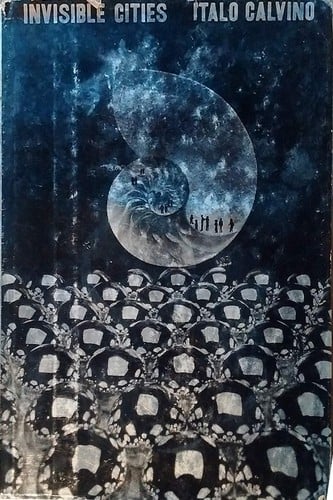
Marco Polo sits before Kublai Khan and describes cities he has visited — or perhaps invented. Despina can be approached by land or by sea, and looks entirely different depending on which direction you come from. Valdrada was built above a lake so that every action of its inhabitants would be doubled in the water below; the city and its mirror have learned to hate each other. Zobeide was constructed by men who all dreamed the same woman and built a city to trap her, but the woman never appeared. Calvino arranges 55 such cities across 11 categories — Cities & Memory, Cities & Desire, Thin Cities — in a mathematical grid that wears the clothing of fiction. The cities are not places. They are states of mind, arguments about time and loss, meditations on the difference between a map and the territory it claims to represent. Between the vignettes, Marco Polo and the Khan conduct dialogues about language, empire, and whether it is possible to describe anything that exists. The prose is precise and dreaming at once — a short paragraph can hold more compressed thought than a chapter of conventional fiction. This is a book that accumulates rather than progresses, and what it accumulates is a complete philosophy of how cities, and perhaps consciousness itself, work.
Compulsory reading in Italian schools, standard in European Romanticism courses, and in print in facing-page editions from FSG, Penguin and Oxford.
A fixture on world-literature and modern-European syllabi, in print in Everyman's and Vintage Classics, and the standard text for the Risorgimento in literature courses. Visconti's 1963 film, Palme d'Or winner, kept it in general circulation.
No. 8 on this list. Orlando Furioso
Ludovico Ariosto · 1516
Challenging22 hours
Taught in schools: UNAM Escuela Nacional Preparatoria – programas de Literatura (Mexico)
Orlando Furioso stands as one of the defining works of Italian Renaissance literature, a fixture in Italian university curricula and comparative literature courses worldwide. Its influence on Spenser, Milton, Shakespeare, Cervantes, and Voltaire makes it indispensable to the study of early modern literature. While less taught in English-language universities than Greek and Roman epic, it appears on virtually every world literature and Renaissance literature syllabus.
I Promessi Sposi is the foundational novel of Italian literature, required reading in every Italian school for over 150 years. It appears on syllabi worldwide in Italian literature, European Romanticism, and world literature courses. Wikipedia articles exist in over 60 languages, and it is consistently cited as the single most important work of Italian prose fiction.
Widely taught in comparative literature and semiotics courses; appears on numerous 'greatest novels' lists (Le Monde's 100, Guardian's 100 Best Novels); studied as exemplar of postmodern historical fiction. Translated into over 50 languages with millions of copies sold.
No. 11 on this list. Mr. Palomar · Italo Calvino · 1983
Mr. Palomar appears on comparative literature and Italian literature syllabi globally, though less frequently than Invisible Cities or Calvino's earlier work. It features on specialist lists of postmodern fiction and philosophical novels, and is cited among Calvino's major works in virtually every critical study of his career. Its canonical standing is strong within literary circles but narrower than the author's most-taught titles.
Challenging2.1 hours
Start this bookNo. 12 on this list. Zeno's Conscience · Italo Svevo · 1923
Included in: Bokklubben World Library
Standard on modernism syllabi beside Ulysses and The Magic Mountain, in print in Penguin Classics, Everyman's and NYRB, and included in 1001 Books You Must Read Before You Die.
Challenging15 hours
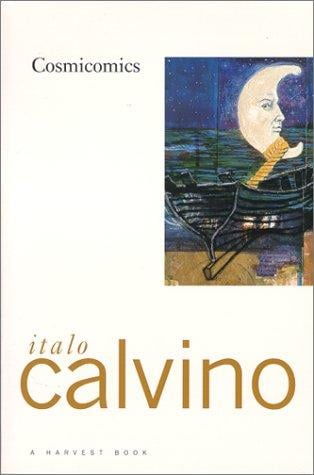
Start this bookNo. 13 on this list. Cosmicomics · Italo Calvino · 1965
Cosmicomics appears regularly on syllabi for world literature, experimental fiction, and postmodern narrative courses internationally, though it commands less institutional presence than Anglo-American canonical texts. Database signals show no listed entries, but Calvino's place in the Western literary curriculum is well-established through his broader body of work, of which this is among the most-taught titles.
Challenging4.9 hours
Start this bookNo. 14 on this list. Arturo's Island · Elsa Morante · 1957
Winner of the Premio Strega in 1957, Italy's most prestigious literary prize, Arturo's Island is firmly established in the Italian literary canon and taught extensively in Italian schools and universities. It appears regularly on international world-literature lists and is considered one of the defining Italian novels of the twentieth century, alongside works by Pavese and Calvino.
Difficult14 hours
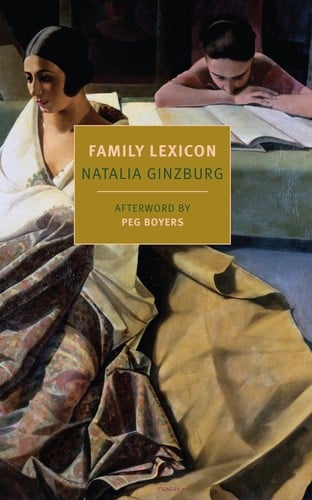
Start this bookNo. 15 on this list. Family Lexicon · Natalia Ginzburg · 1963
Family Lexicon won the Premio Strega in 1963, Italy's most prestigious literary prize, and is consistently listed among the essential works of twentieth-century Italian literature. It appears regularly on university syllabi in Italian Studies and European literature courses, though its international syllabus presence is smaller than that of Ginzburg's more widely translated contemporaries like Calvino or Pavese.
Challenging6.5 hours
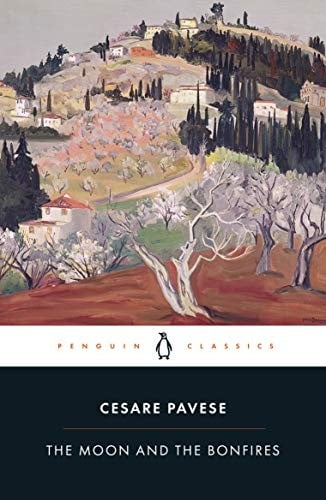
Start this bookNo. 16 on this list. The Moon and the Bonfires · Cesare Pavese · 1950
Pavese's acknowledged masterpiece and one of the essential Italian novels of the postwar period. Widely translated and taught.
Easy3 hours
Start this bookNo. 17 on this list. The Day of the Owl · Leonardo Sciascia · 1961
The standard first text on the Mafia in literature, taught in Italian and comparative crime-fiction courses, and continuously in print in NYRB Classics and Granta editions.
Challenging3.5 hours
Start this bookNo. 18 on this list. The Truce · Primo Levi · 1963
"The Truce" is taught widely in Holocaust literature, Italian literature, and 20th-century European history courses at universities across Europe and North America. It is less universally assigned than "If This Is a Man" but is firmly in the canon of serious literary and testimonial writing. No syllabus data was returned by the database, but Levi's standing in academic curricula is well established independently.
Easy8.6 hours
Start this bookNo. 19 on this list. The Adventures of Pinocchio · Carlo Collodi · 1883
The most translated Italian book and one of the most translated books in any language, standard in children's-literature courses, and continuously in print in Penguin Classics and NYRB editions since the 1890s.
Easy2.3 hours
Start this bookNo. 20 on this list. The House by the Medlar Tree · Giovanni Verga · 1881
Widely taught in Italian literature and comparative literature courses internationally, 'I Malavoglia' is foundational to understanding Italian verismo and the development of the modern Italian novel. It appears prominently in European literature curricula and is consistently cited in 'essential works of world literature' lists. Less prominent in Anglophone syllabi than in Italian and continental European programs.
Challenging6.2 hours
Start this book
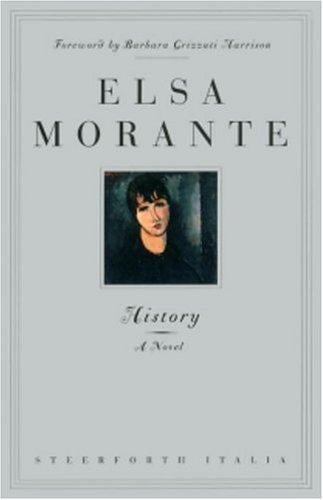
No. 21 on this list. History: A Novel · Elsa Morante · 1974
Included in: Bokklubben World Library
One of the most important Italian novels of the twentieth century. Controversial at publication but now widely recognized as a masterpiece.
Easy14 hours
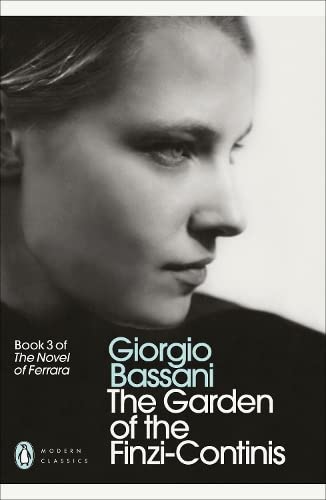
Start this bookNo. 22 on this list. The Garden of the Finzi-Continis · Giorgio Bassani · 1962
A standard text on Holocaust-literature and modern-Italian syllabi, in Penguin Modern Classics and Everyman's, and included in 1001 Books You Must Read Before You Die.
Challenging6 hours
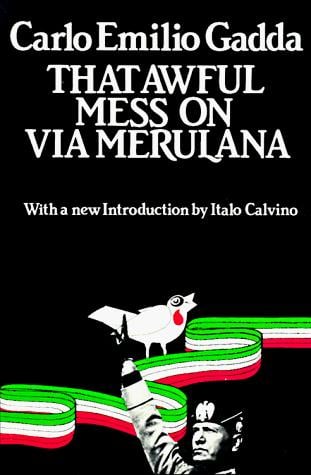
Start this bookNo. 23 on this list. That Awful Mess on the Via Merulana · Carlo Emilio Gadda · 1957
The novel holds a secure place in the European modernist canon—Calvino's introduction compares it to Ulysses, Remembrance of Things Past, and The Man without Qualities as one of four key twentieth-century novels in their respective national literatures. It is widely taught in Italian literature courses and appears on syllabi focused on postwar European fiction. Outside Italy, its canonical status is significant but not universal, as the difficulty of translating Gadda's dialect layers limits its classroom penetration in Anglophone universities.
Difficult17 hours
Start this bookNo. 24 on this list. Mandragola · Niccolò Machiavelli · 1524
The greatest Italian Renaissance comedy and Machiavelli's most performed work, standard in courses on European drama and Renaissance literature.
Easy1.1 hours
Read nowNo. 25 on this list. Mastro-don Gesualdo · Giovanni Verga · 1889
Included in: UNESCO Collection of Representative Works
Mastro-don Gesualdo is a cornerstone of the Italian literary canon, required reading in Italian literature and European realism curricula worldwide. No syllabus data was available from the database, but the novel's place in comparative literature courses alongside Zola and Flaubert is firmly established in academic tradition.
Difficult12 hours
Start this bookNo. 26 on this list. Christ Stopped at Eboli · Carlo Levi · 1945
The founding text of Italy's postwar debate on the South, standard in Italian-studies and anthropology courses, and kept in print by Penguin Classics and FSG.
Moderate6.3 hours
Start this bookNo. 27 on this list. Those Who Leave and Those Who Stay · Elena Ferrante · 2013
The Neapolitan Novels have become required reading in contemporary fiction and world literature courses across Europe and North America, and the series as a whole appears on hundreds of university syllabi. This third volume is less commonly assigned as a standalone text than the series opener, but no major literary conversation about contemporary Italian fiction or female friendship narratives omits it. The series' Wikipedia presence spans 30+ languages, signaling genuine global reach.
Challenging12 hours
Start this bookNo. 28 on this list. The Conformist · Alberto Moravia · 1951
Standard on courses about literature and fascism, in print in NYRB and Penguin editions, and included in 1001 Books You Must Read Before You Die.
Challenging7.2 hours
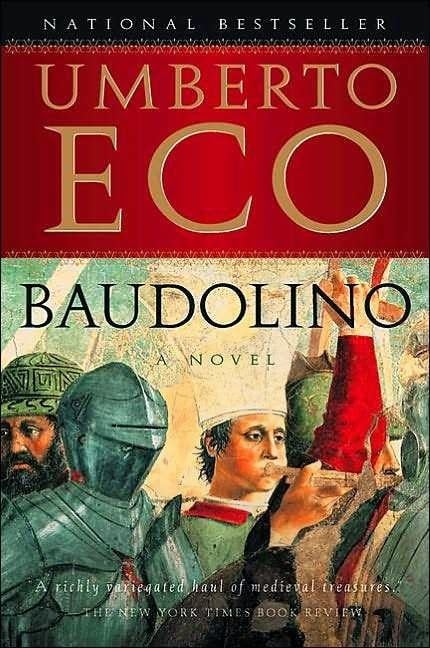
Start this bookNo. 29 on this list. Baudolino · Umberto Eco · 2000
Baudolino (2000) occupies a mid-tier canonical position — widely taught in postmodern fiction and medieval studies courses in Europe, and assigned in world literature surveys alongside The Name of the Rose. It does not appear on the major English-language syllabi with the frequency of Eco's debut novel. Wikipedia coverage spans approximately 30 languages, indicating strong European readership but not the global footprint of The Great Gatsby or One Hundred Years of Solitude.
Difficult19 hours
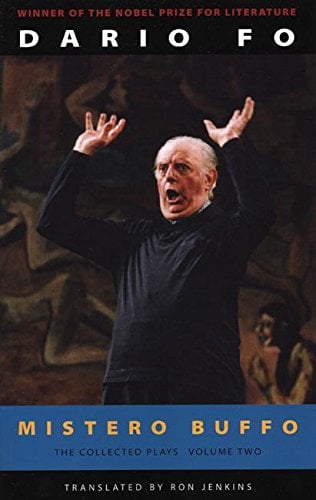
Start this bookNo. 30 on this list. Mistero Buffo · Dario Fo · 1969
With 131 syllabus appearances at the 52.9th percentile, Mistero Buffo is a genuine course text in theatre, Italian literature, and political drama curricula, though not a universal fixture. Wikipedia coverage in 9 languages signals regional rather than global canonical reach. The work is widely taught in Italian theatre contexts and European political performance courses but does not occupy the same stratum as Beckett's Waiting for Godot or Brecht's The Caucasian Chalk Circle internationally.
Challenging4.8 hours
Start this book
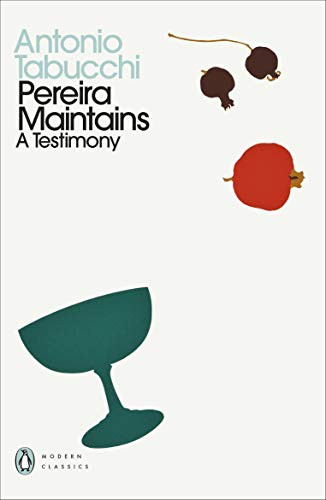
No. 31 on this list. Pereira Maintains
Antonio Tabucchi · 1994
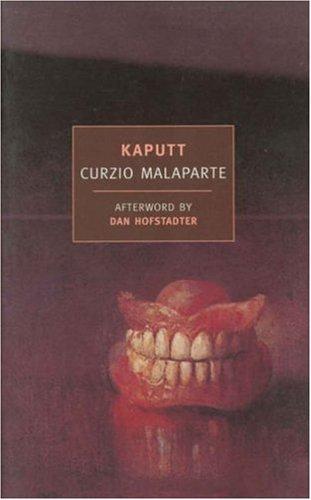
No. 32 on this list. Kaputt
Curzio Malaparte · 1944
No. 33 on this list. Conversations in Sicily
Elio Vittorini · 1941
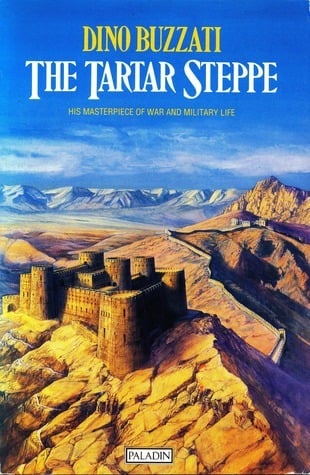
No. 34 on this list. The Tartar Steppe
Dino Buzzati · 1940
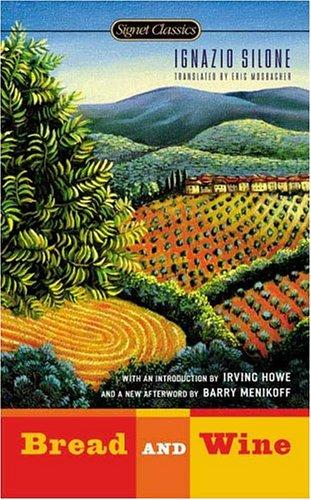
No. 35 on this list. Bread and Wine
Ignazio Silone · 1936
No. 36 on this list. The Story of a New Name
Elena Ferrante · 2012
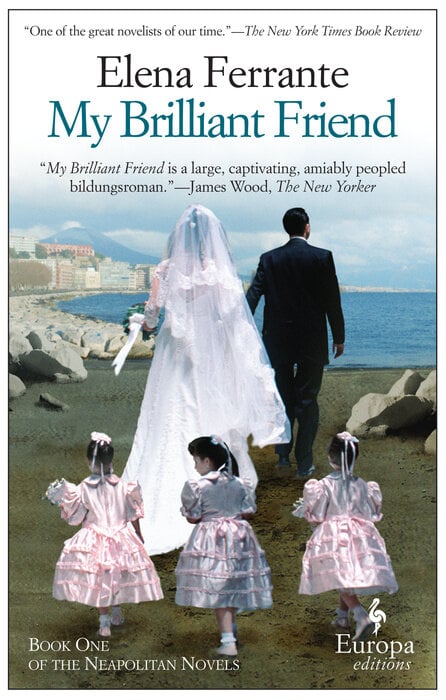
No. 37 on this list. My Brilliant Friend
Elena Ferrante · 2011
No. 38 on this list. The Ballad of the Salty Sea
Hugo Pratt · 1967
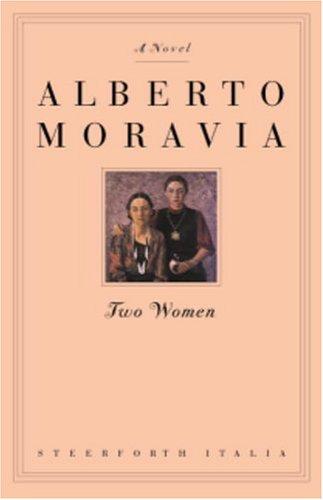
No. 39 on this list. Two Women
Alberto Moravia · 1957
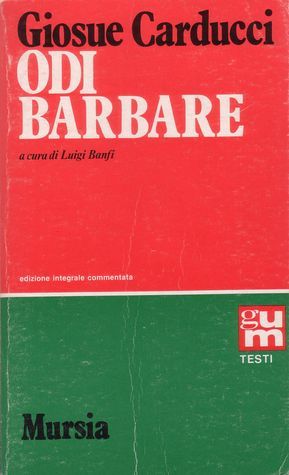
No. 40 on this list. Odi barbare
Giosuè Carducci · 1877
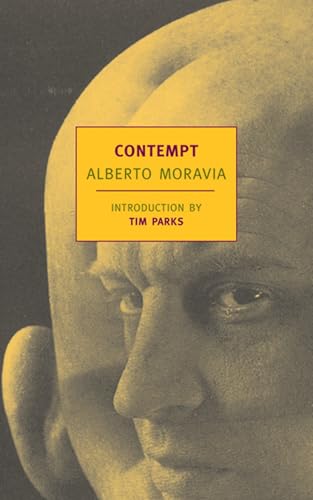
No. 41 on this list. Contempt
Alberto Moravia · 1954
No. 42 on this list. The House on the Hill
Cesare Pavese · 1948
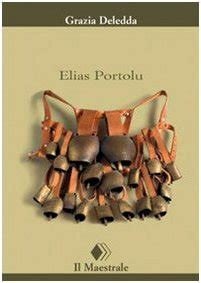
No. 43 on this list. Elias Portolu
Grazia Deledda · 1903
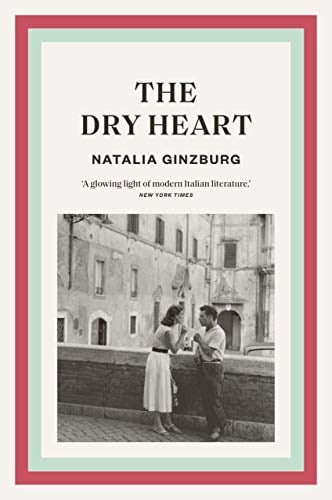
No. 44 on this list. The Dry Heart
Natalia Ginzburg · 1947
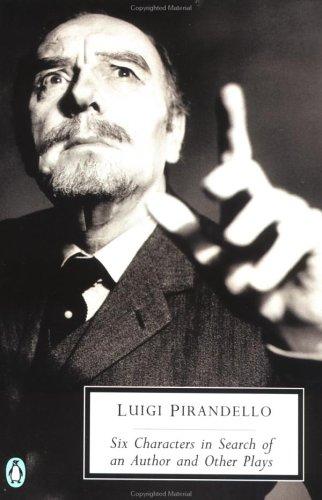
No. 45 on this list. Each in His Own Way
Luigi Pirandello · 1924
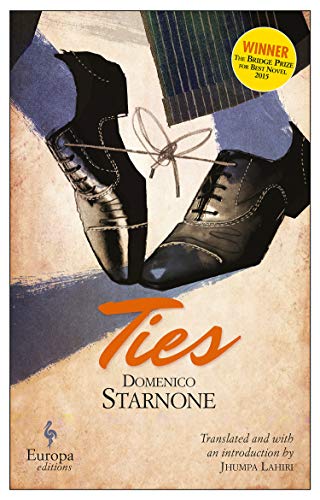
No. 46 on this list. Ties
Domenico Starnone · 2014
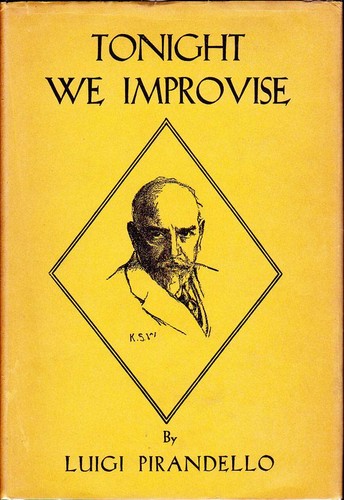
No. 47 on this list. Tonight We Improvise
Luigi Pirandello · 1930
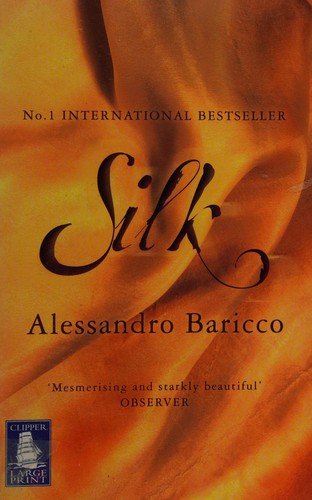
No. 48 on this list. Silk
Alessandro Baricco · 1996
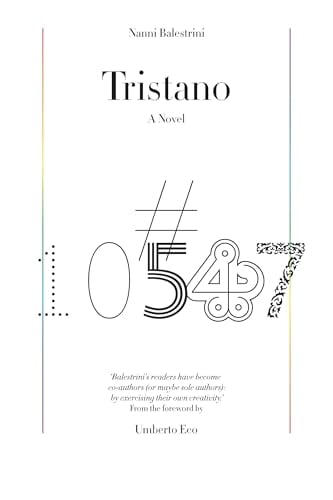
No. 49 on this list. Tristano
Nanni Balestrini · 2014
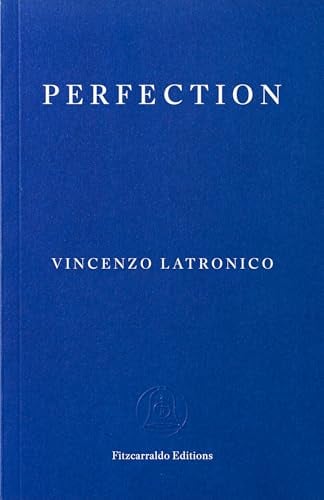
No. 50 on this list. Perfection
Vincenzo Latronico · 2022
No. 51 on this list. The Terra-Cotta Dog
Andrea Camilleri · 1996
No. 52 on this list. The Prince
Niccolò Machiavelli · 1532
No. 53 on this list. Discourses on Livy
Niccolò Machiavelli · 1531
No. 54 on this list. Selections from the Prison Notebooks
Antonio Gramsci · 1948
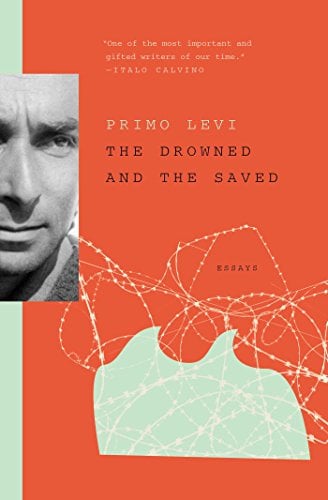
No. 55 on this list. The Drowned and the Saved
Primo Levi · 1986
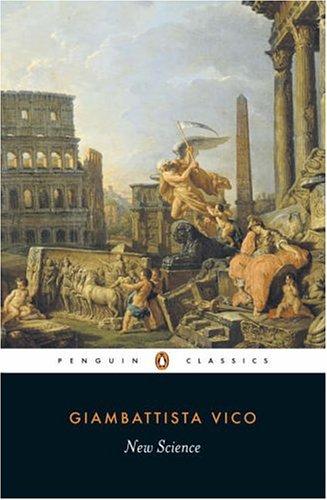
No. 56 on this list. New Science
Giambattista Vico · 1725
No. 57 on this list. On Crimes and Punishments
Cesare Beccaria · 1764
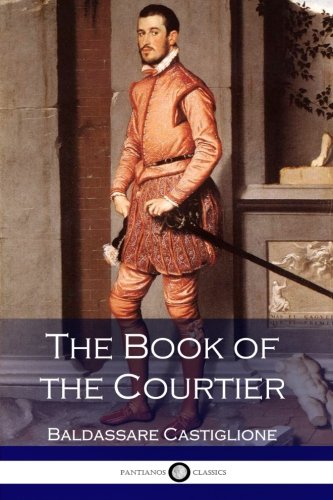
No. 58 on this list. The Book of the Courtier
Baldassare Castiglione · 1528
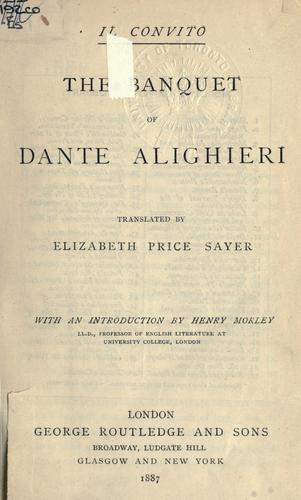
No. 59 on this list. Convivio
Dante Alighieri · 1307
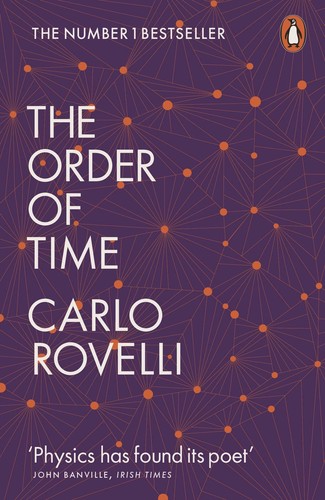
No. 60 on this list. The Order of Time
Carlo Rovelli · 2017
About this list
These 61 books are the highest-scoring eligible books in Italian currently in the catalogue. About 488 hours of reading in all. Difficulty runs from 51 to 68 out of 100 for the middle half of the list; the summit is That Awful Mess on the Via Merulana at 81.
This list is ranked by literary regard, with a consistent order for equal scores. Membership follows authors and co-authors, not translators or editors. Catalogue coverage and the historical canon both limit what this list can represent.
When we matched the Canons dataset to our catalogue in October 2026, our canonical-status scores rose with the number of school curricula, publisher series and lists in it that cite a work: the median score was 72 for books one such source cites, 84 at two, 88 at three, 92 at four and 93 at five or more. Prizes are left out of that count. Outside the state curricula, the dataset’s sources choose mostly from what has been translated into English or French, so it is a weaker check on other literatures. Source: Canons (Andrew Piper), CC BY 4.0
Questions people actually ask
- What are the best books in Italian?
- By literary regard, which weighs canonical status, critical standing and influence: Divine Comedy by Dante Alighieri, Vita Nuova by Dante Alighieri, Canzoniere by Petrarch, The Decameron by Giovanni Boccaccio and Invisible Cities by Italo Calvino. ReadingRate ranks 61 such books, each with a difficulty score and a reading-time estimate.
- Which books in Italian should I read first?
- Start from difficulty, not from rank. The most approachable books on this list that still carry top literary regard are The Prince by Niccolò Machiavelli (about 2.9 hours), Discourses on Livy by Niccolò Machiavelli and The Decameron by Giovanni Boccaccio.
- What are the shortest of the best books in Italian?
- Among the top 25, the shortest are Mandragola by Niccolò Machiavelli (about 1.1 hours), Canti by Giacomo Leopardi (about 2.5 hours) and Vita Nuova by Dante Alighieri (about 1.7 hours), at an average pace of 250 words a minute adjusted for each book's difficulty.
- Which of the best books in Italian are the established classics?
- By canonical status, how firmly a book sits in curricula, anthologies and the canon: Divine Comedy by Dante Alighieri, The Prince by Niccolò Machiavelli, Vita Nuova by Dante Alighieri, Canzoniere by Petrarch and The Decameron by Giovanni Boccaccio.
- Can I read any of these books in Italian for free?
- 7 of the 61 open in ReadingRate's reader with a free account, from public-domain editions: Divine Comedy, Vita Nuova, The Decameron, Mandragola, Elias Portolu and 2 more.
- How long would it take to read the top ten?
- About 113 hours, at an average pace of 250 words a minute adjusted for each book's difficulty: 57 days at two hours a day. Set your own pace on the page and the list's reading times change to it.
- How hard are books in Italian to read?
- Most of this list sits between 51 and 68 on ReadingRate's 100-point difficulty scale, where 40 to 55 is moderate. The summit is That Awful Mess on the Via Merulana at 81. Every entry carries its own score, so a reader can pick a great book at a difficulty they will finish.
- How is this list ranked?
- On literary-regard data: how canonically established a work is, its critical standing, and its influence on later writing. It is not a readers’ poll, which is why recent bestsellers rarely appear. Membership follows authors and co-authors, not translators or editors. Lists by country, author, period, theme or difficulty keep to literature (fiction, poetry, drama and philosophy), their novels, poems and plays first and their philosophy after them; a list of a kind of book, such as memoir or criticism, keeps every book of that kind. Every list holds at most three works by one author.